Rishikesh is a vegetarian town, and that shapes everything about eating here. Meat, eggs and alcohol are not served in most of the central area, and Haridwar follows similar rules. Far from being a limit, this has produced a food scene full of fresh, creative vegetarian cooking, from crisp street snacks to calm, ayurvedic meals. This guide explains what to try and how to eat well.
The basics
Almost every restaurant, cafe and stall is vegetarian, and many serve food without onion and garlic, in line with yogic and Hindu tradition. Vegans can eat well, though dairy such as ghee, paneer, curd and milk sweets is common, so ask. Alcohol is restricted in much of the area, so the drink of choice is chai, fresh juice or lassi. Cafes have also adapted to travellers, serving smoothie bowls, pancakes, pizza and wholewheat sandwiches alongside Indian dishes.
Breakfast
Start with the local classics: puri and aloo sabzi, a plate of deep-fried bread with spiced potato curry, or paratha with curd and pickle. Poha, the flattened-rice dish, and upma are lighter options. Many cafes serve fruit, muesli and porridge. Fresh orange or pomegranate juice is sold at roadside stalls, and masala chai is everywhere. Breakfast in a cafe overlooking the river is one of the quiet pleasures of the town.
Street food
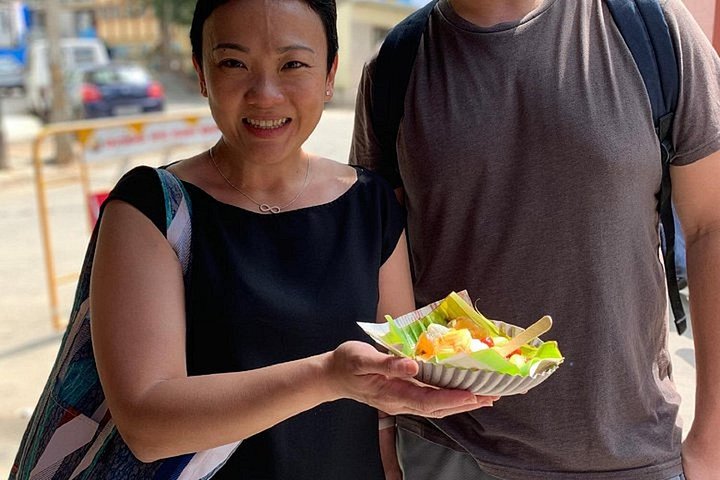
Evenings are for chaat, samosas, kachori, golgappa and fresh jalebi, sold from carts and tiny shops in the bazaars. Choose busy stalls with fast turnover, where food is cooked fresh, and start with hot items. A guided food walk takes the guesswork out and introduces you to the favourites. Look out for local sweets made from milk and sugar, and the famous restaurants that have fed pilgrims for decades.
Sattvic and ayurvedic meals
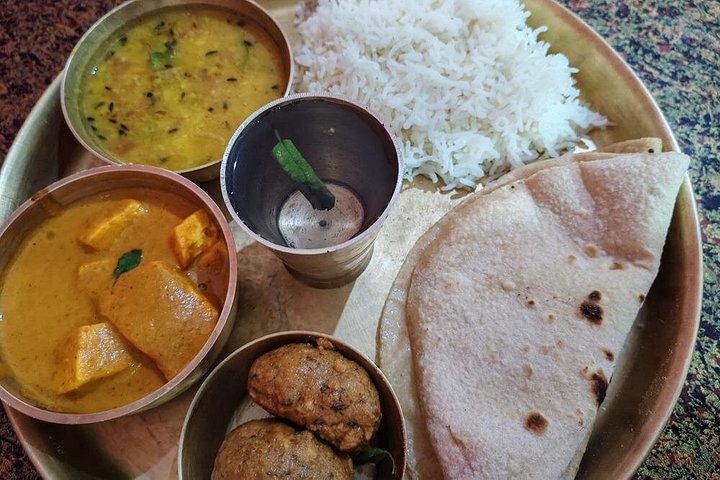
Sattvic food aims to be light, fresh and calming, built from seasonal vegetables, lentils, whole grains and mild spices. Ashrams and wellness cafes serve it daily, often in thali form with several small dishes on one plate. A sattvic cooking class gives you the techniques to repeat the dishes at home, and the experience of eating what you cook is memorable. Ayurvedic menus are sometimes tailored to your dosha, which can be interesting even if you are sceptical.
Mountain flavours
The wider region of Uttarakhand has its own cuisine, including dishes made with lentils such as gahat, millet breads, bhang chutney and a variety of seasonal greens. Some restaurants in Rishikesh feature these dishes, and they are worth seeking out if you want something regional rather than the standard North Indian menu. Ask staff for local specialties, and try the simple home-style thalis served in small eateries.
Haridwar eating
Haridwar has a different feel, with busy markets near Har Ki Pauri and many restaurants serving thalis, sweets and snacks to pilgrims. Try the lassi, rabri and kachori served at old shops, and bring appetite for a late-evening snack after the aarti. Remember that food around the ghat can be crowded, and prices for tourists vary, so check before ordering.
Staying well
Drink bottled or filtered water, avoid ice in unknown places and eat freshly cooked food. Introduce spicy dishes gradually, carry hand sanitiser and consider probiotics if your stomach is sensitive. Tell restaurants clearly about allergies, because cross-contamination happens. If you are unwell, rest, drink oral rehydration salts and seek medical advice if symptoms persist. Most visitors eat happily throughout their stay.
Tips for the best meals
Eat where locals eat, ask for dishes to be made less spicy if you prefer, and share plates to try more. Tipping is not mandatory but appreciated, and a small service charge may be added. Plan a cooking class on a rest day, a street-food tour on your first evening and a sattvic meal at an ashram or wellness cafe, and you will have covered the best of the town.
A few phrases that help
Asking for food mild, with less oil or without onion and garlic is easy with a polite request. Say that you are vegetarian or vegan if it matters, and ask what is fresh that day. Staff in busy cafes speak English, but a few words of Hindi, such as thank you and no spice, earn smiles and often extra care in the kitchen.