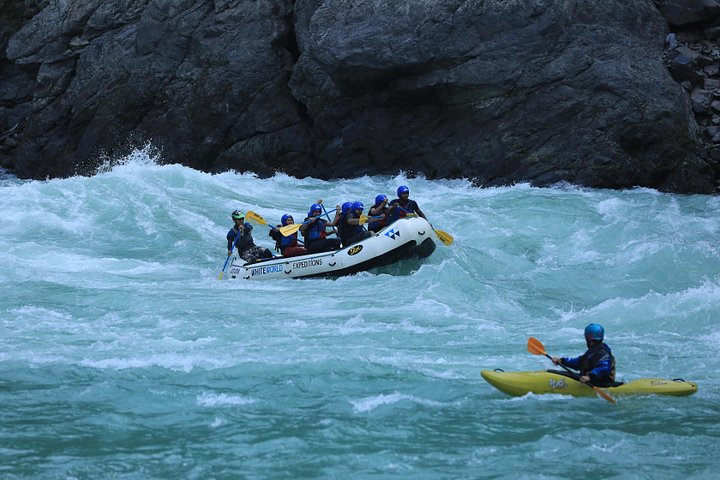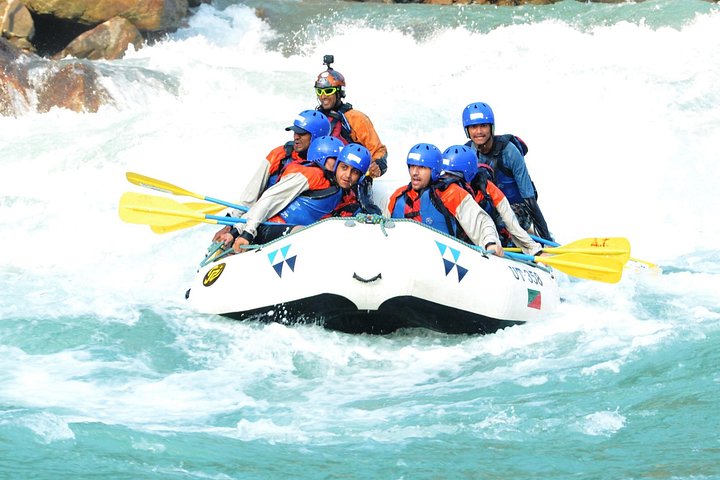
White-water rafting on the Ganges is Rishikesh's signature adventure, and it is accessible to beginners as well as to experienced paddlers. The river runs fast and clear below the town, with a sequence of named rapids that rafting guides know well. This guide explains the stretches, the season, the safety points and how to choose a trip.
The river and the stretches
Operators sell trips by distance, each starting at a different point upstream and finishing near the town. Short stretches of around 9 to 16 km suit families and first-timers with gentler water. The 26 km half-day run is the classic, with the best-known rapids, while the 35 km full-day run starts higher and adds more rapids plus a lunch stop. Multi-day expeditions camp on the beaches along the river. Longer stretches mean more rapids, more time on the water and more sun and effort.
The rapids
The famous rapids include Roller Coaster, Three Blind Mice, Golf Course, Club House and Black Money, with ratings that run from Grade I and II to Grade III and IV on the international scale. Water levels change through the season, so a rapid that is mild in winter can be wild in spring. Guides read the water and brief you before each rapid, and they decide which sections are suitable for the group. You do not need to remember the names, only the commands.
Season
Rafting runs from roughly September to June. Autumn and winter have steadier, colder water, spring brings snowmelt and the biggest rapids, and early summer is hot and fun. The monsoon months are closed because the river is too high and dangerous, and local authorities set the opening and closing dates, so check before you book. Mornings are cooler, afternoons warmer, and winter trips need warm clothes for before and after.
Who can raft
Operators set minimum ages and weights that vary by stretch, and younger children usually take the shorter, calmer runs. Non-swimmers can usually raft because everyone wears a life jacket, but tell the guide. People with back, shoulder or heart conditions, pregnant travellers and anyone unwell should avoid longer, bigger runs. If in doubt, speak to a doctor and to the operator.
Safety checks
Ask whether the operator provides certified helmets and life jackets in good condition, whether guides are trained and experienced on this river, and whether safety kayakers follow the rafts on bigger runs. Listen closely to the briefing, learn the commands for paddle forward, back, stop and get down, and practise the position for falling out. If you fall in, stay calm, keep your feet up and let the guide direct you. A good operator will say no if conditions are unsafe.
What to wear and bring
Quick-dry shorts or swimwear, a rash vest or T-shirt, secure sandals and sunscreen. In winter, add a thermal layer under a wetsuit or splash jacket if the operator supplies one. Bring a towel, a full change of clothes and a waterproof bag for the post-trip. Leave jewellery, phones and keys at the hotel, or use a locker. Photographers on the bank sometimes sell pictures after the trip.
Choosing and booking
Compare operators on safety standards, equipment, group size and what is included, such as transfers, lunch and photos, rather than on price alone. Booking in advance helps in busy months, especially weekends. A half-day trip is the right choice for most first-timers, and a full day suits those who want more. If you are travelling with a mixed group, ask whether the operator can offer a gentler option for children.
Combining rafting with the rest of your trip
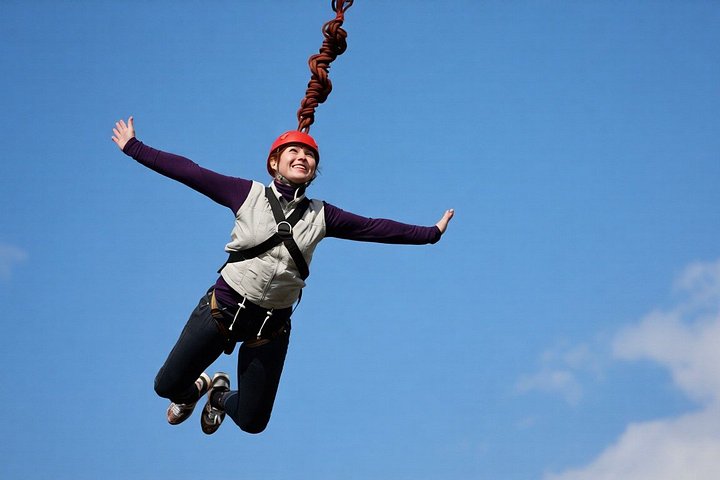
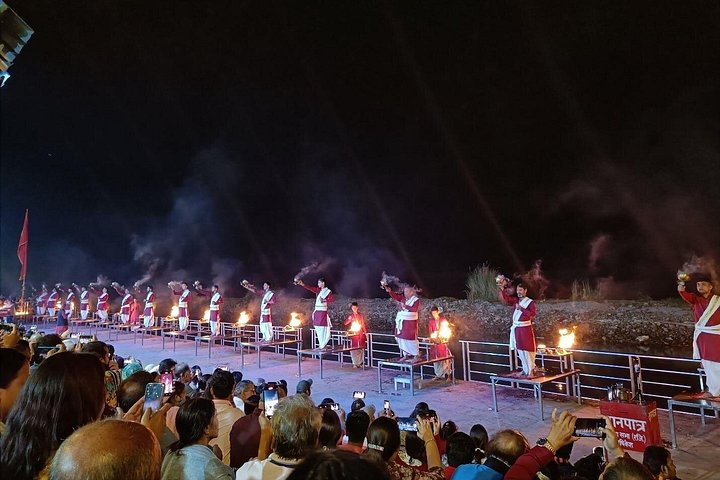
Pair a half-day run with the evening Ganga Aarti, or follow the river day with a quiet yoga class. Bungee jumping and rafting are a popular adrenaline combination, and a rest day with a cooking class or pottery workshop balances things nicely. Whatever you choose, treat the Ganges with respect, carry out your rubbish and do not throw offerings into the water beyond what the local custom allows.
After the trip
Rinse off the river, drink plenty of water and rest. A hot chai and a simple meal taste remarkably good after hours on the Ganges. If you enjoyed it, ask the operator about longer expeditions and beach camping on a later visit, and consider tipping the guide, who has worked hard to keep your raft safe and steady through the big water.