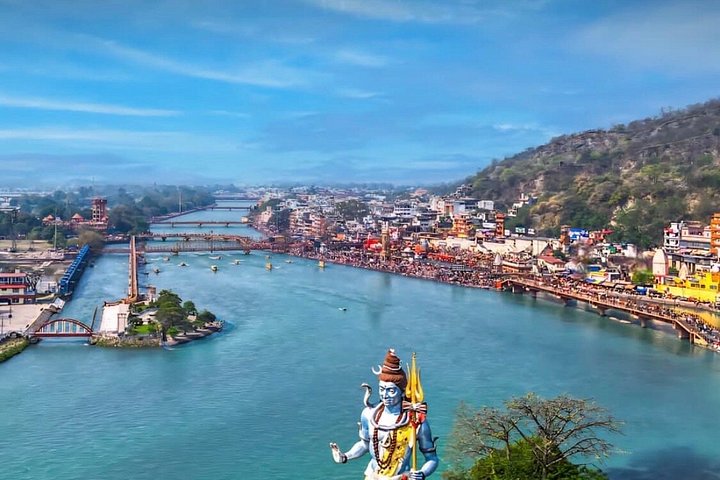
Rishikesh sits where the Ganges leaves the Himalayan foothills, about 240 km north of Delhi, and it manages to be several places at once: a pilgrimage town, a yoga capital, an adventure hub and a base for the Garhwal mountains. First-time visitors often arrive with a vague idea of yoga and rafting and leave surprised by how much else there is. This guide covers what to book, how to get around and how to shape your days.
Getting there
The nearest airport is Dehradun, about an hour away by road, and many travellers fly in from Delhi. Haridwar, about 25 km south, is the main railway hub, with frequent trains from Delhi. Road transfers from Delhi take roughly five to seven hours depending on traffic. Private transfers and shared cars are widely available, and booking a pickup in advance saves haggling after a long journey. Dehradun and Haridwar both make sensible arrival points, so choose whichever connects better with your route.
Know the rules of a holy town
Rishikesh and Haridwar are sacred to Hindus, and the central areas are vegetarian, with limited alcohol and no meat or eggs on most menus. Dress modestly at temples and ashrams, covering shoulders and knees, and remove shoes at doorways. Be respectful at the ghats, ask before photographing people and avoid walking on the steps used for rituals. None of this is difficult, and it shapes the calm atmosphere that draws people here.
What to book ahead
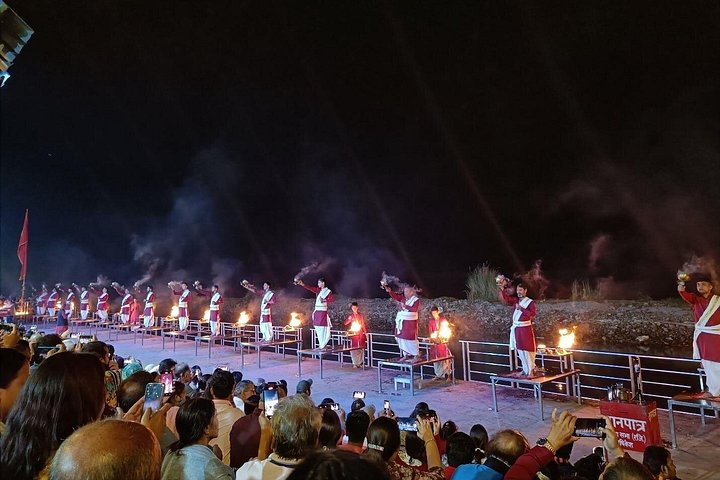
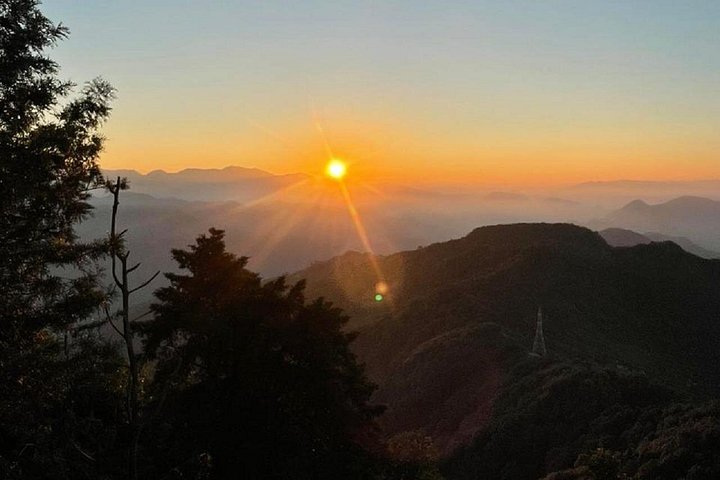
Rafting is easy to arrange on the spot in season, but popular operators fill up on weekends. Book a Ganga Aarti walk or a food tour for your first evening, and arrange early pickups for Kunjapuri sunrise or a Rajaji safari the night before. If you want to join a yoga class, check schedules, since many studios run set timetables and some require a few days' notice. If you are visiting in the busy months from October to March, book accommodation early. Day trips to Haridwar and Mussoorie are best arranged a day ahead.
Choose your neighbourhood
Laxman Jhula and Tapovan form the traveller hub, with cafes, yoga schools and budget stays. The Ram Jhula and Swarg Ashram area is more devotional, with large ashrams and the evening ceremony at Parmarth Niketan. Upstream along the river road you find quieter resorts, rafting camps and cave temples. Haridwar is a different world, busier and more traditional, best seen on an overnight stay or a day trip. Our where-to-stay guide goes into detail.
How many days
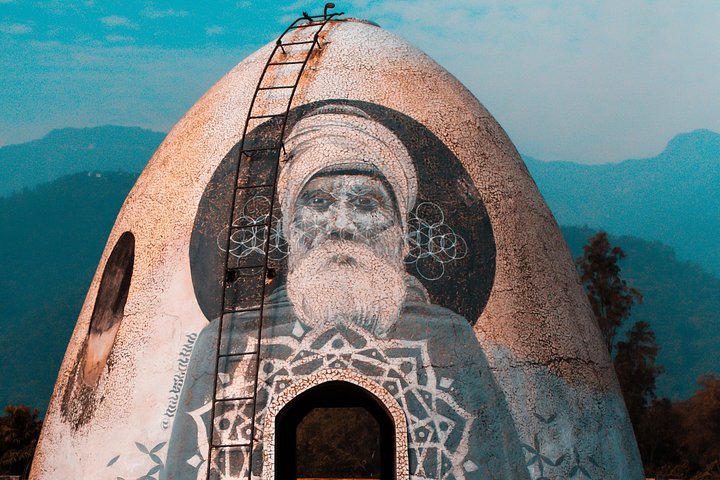
Two days covers the essentials: a morning of rafting or yoga, the ashrams and jhula bridges, and an evening aarti. Three days adds a sunrise trek, the Beatles Ashram and a day in Haridwar. Four days lets you slow down with a cooking class, a safari or a day trip to Mussoorie, and still leave time to do nothing by the river, which is the point of the place. Longer stays are common among yoga students, who sign up for weekly courses.
Getting around
Rishikesh is compact but hilly and crowded. Walking is the best way to see the jhula areas, and the bridges are pedestrian and two-wheeler routes, though access to the old Laxman Jhula has been restricted at times. For longer distances use shared autos, taxis or ride-hailing apps where they operate, and agree fares before you set off if there is no meter. Taxis can be hired for the day for trips to Kunjapuri, Haridwar or Mussoorie, which is often more economical for groups.
Staying safe and sensible
Rishikesh is generally friendly, but crowds, monkeys and uneven lanes call for common sense. Keep food out of sight, zip bags on the bridges, and do not feed the monkeys. Drink bottled or filtered water, eat at busy places and carry hand sanitiser. Swimming in the Ganges is risky because of strong currents, so enter only at designated ghats and hold the chains where provided. Check the safety standards of any adventure operator before booking.
What to pack
Light cotton for the warm months, a warm layer for winter mornings and evenings, a rain jacket during the monsoon, sturdy sandals or walking shoes, a hat and sunscreen. Modest clothing for temples is essential, and a scarf is handy for covering shoulders. A small torch helps on early starts, and a reusable bottle saves plastic. Leave valuables at the hotel when rafting.
Money and tipping
Carry a mix of cash and cards. Small purchases, auto fares, offerings and tips are usually cash, and ATMs are common in town but not always reliable. A few rupees for shoe-minders at temples, a modest tip for guides and drivers, and a small gratuity for hotel staff are customary. Many ashrams welcome donations, which you give at your discretion.