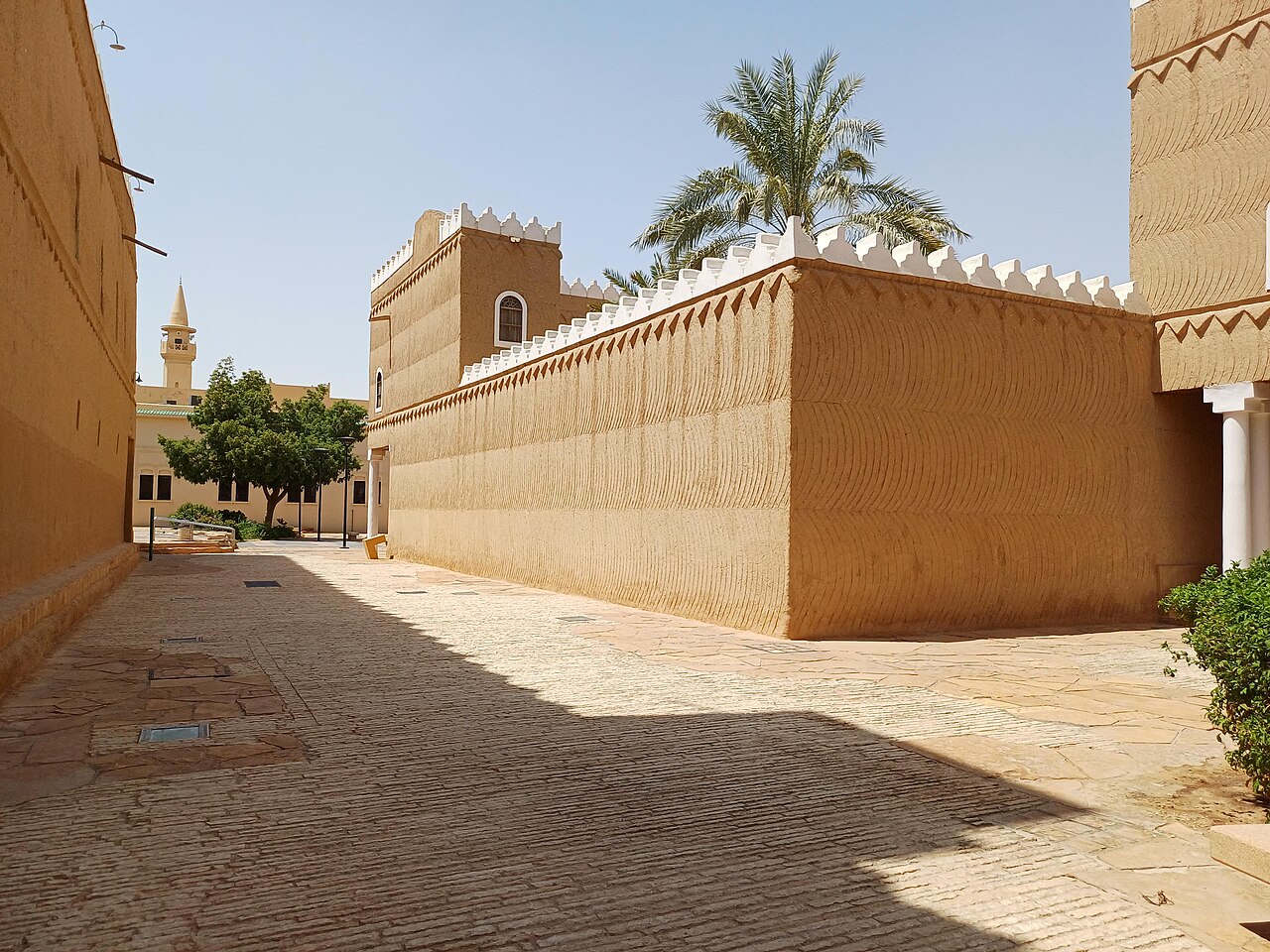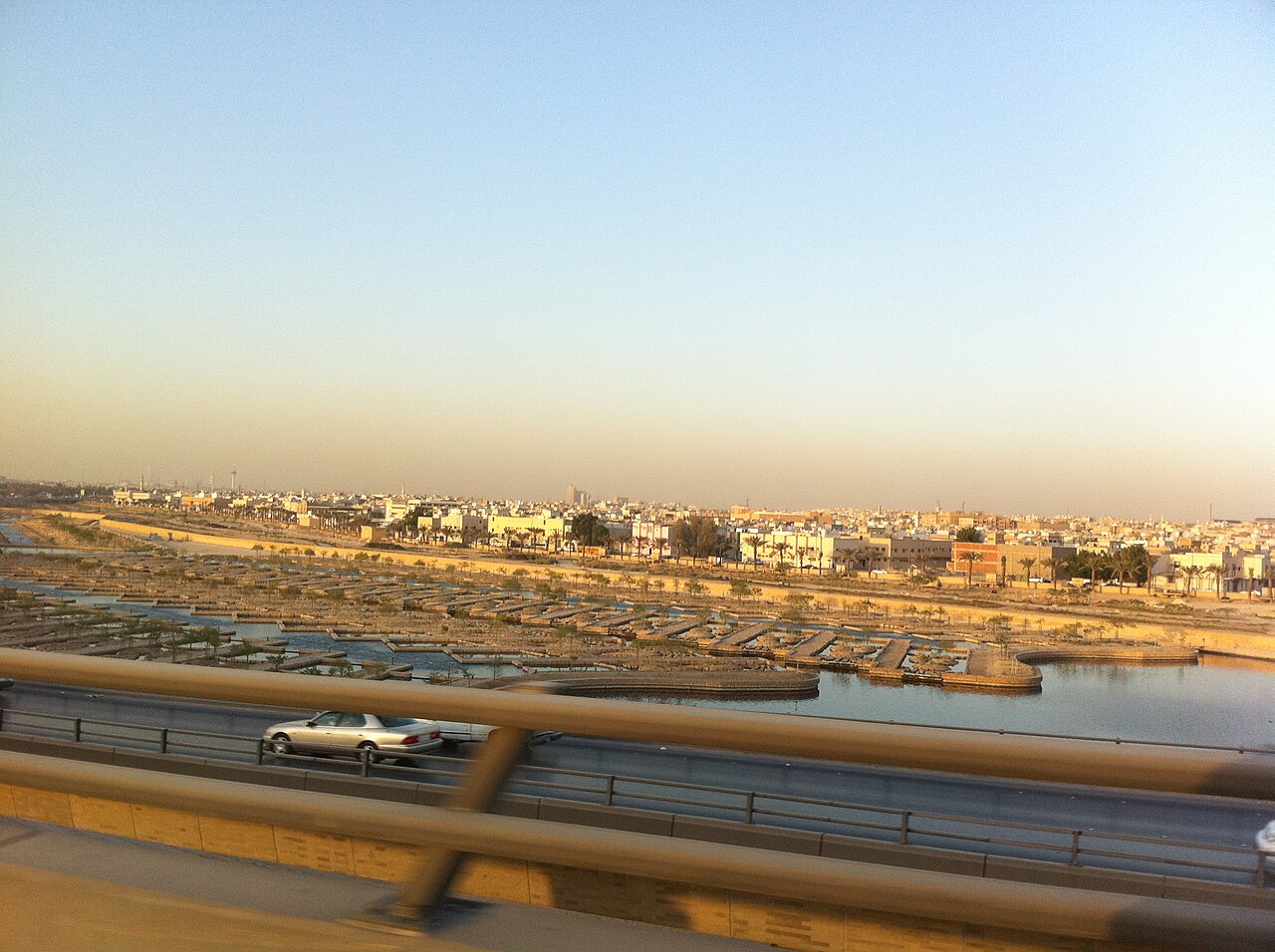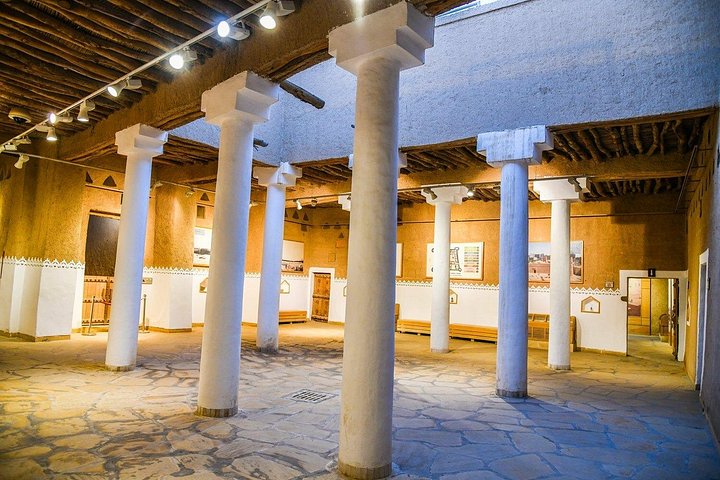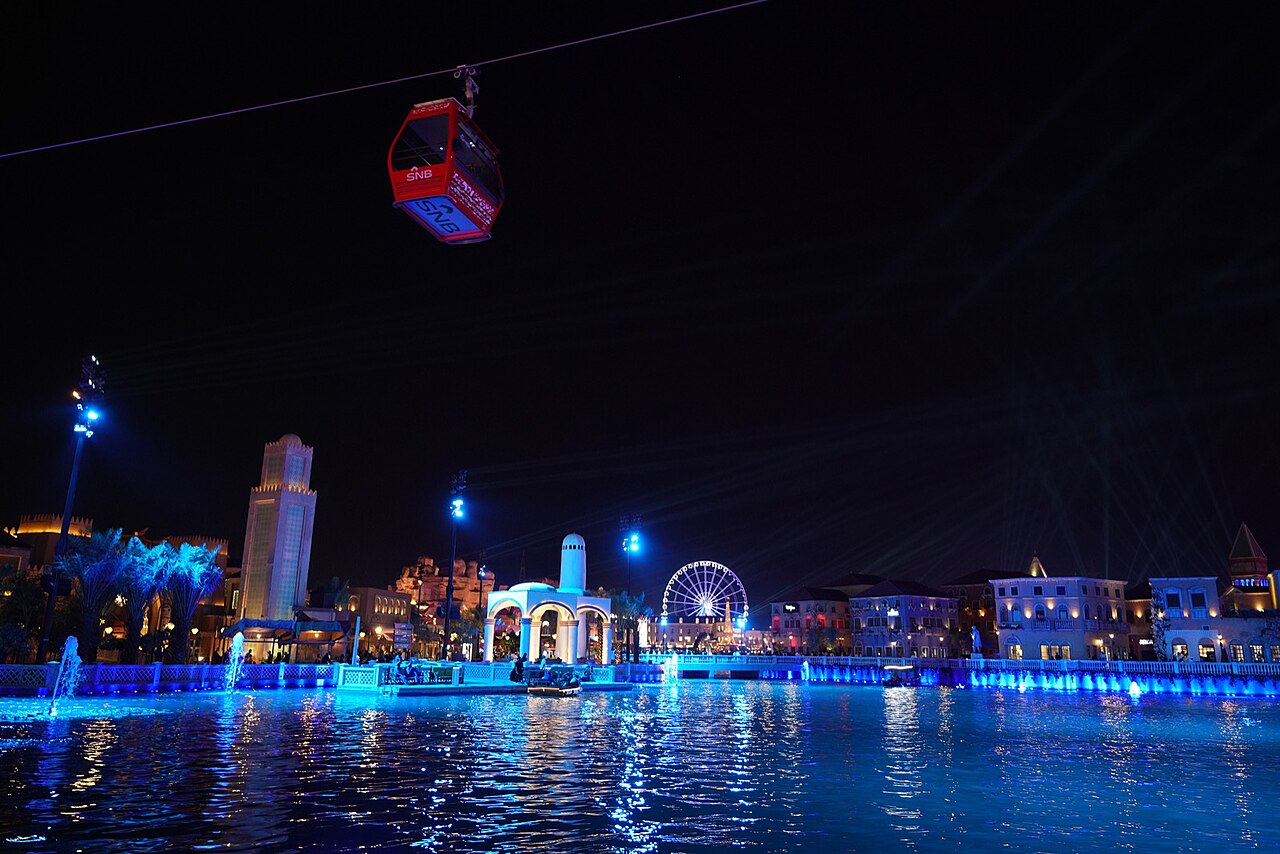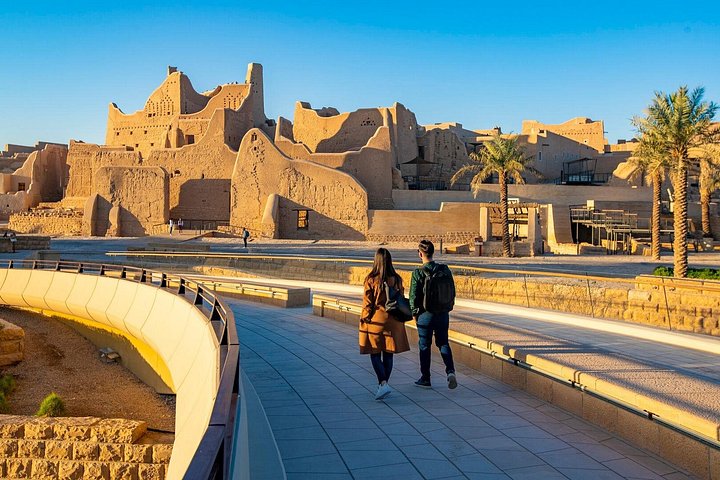
At-Turaif is the historic heart of Diriyah, the town on the edge of Riyadh that served as the capital of the first Saudi state in the eighteenth century. Its palaces, mosque and walled lanes are built in the Najdi style, in sun-dried mud brick with clean geometric lines, and they were inscribed as a UNESCO World Heritage Site in 2010. Restoration has turned the quarter into an open-air museum, with courtyards, exhibitions and viewpoints over the green strip of Wadi Hanifa below. Next door, Bujairi Terrace is the dining and promenade area, built in the same earthy style, with restaurants and cafés looking across the wadi to the lit-up walls of At-Turaif. Most visitors pair the two in one evening, walking the heritage quarter first and eating on the terrace afterwards.
Why it matters
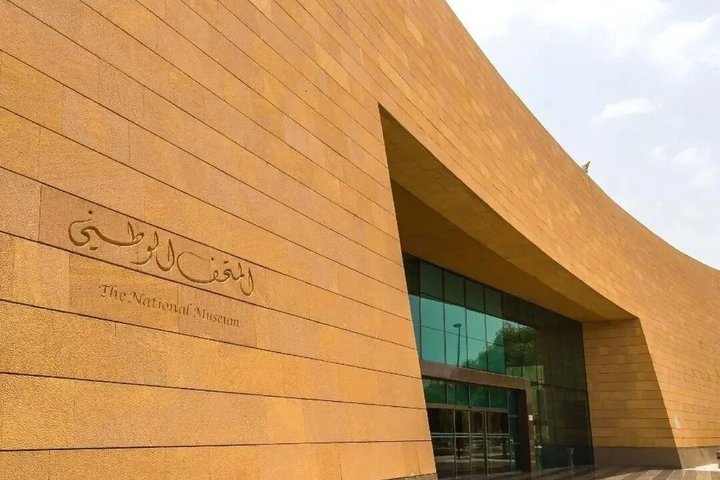
This is the place where the story of the Saudi state begins. The ruling family established its power base here, and the fortified quarter held palaces, a mosque and the homes of the court. Walking its lanes gives context for everything else in Riyadh, from the Masmak Fortress to the National Museum, and the architecture itself, with its thick walls, small windows and stepped parapets, is a lesson in building for the desert climate.
How to visit
Diriyah’s own website says to buy your access pass only through its own channels and to avoid unauthorised sellers, and that At-Turaif has opened in the evening, so check hours and pass rules before you go, because they change by season. Bujairi Terrace has its own access arrangements, which have been relaxed at times, so confirm them too.
If you prefer a guide, the half-day UNESCO heritage tour linked here covers Diriyah with commentary, and it saves working out transport and timing yourself. Roads around Diriyah have had partial closures during construction, so allow extra time.
Plan around the light and the temperature: the evening visit suits the climate, because the heat has eased and the walls glow as the lights come on. Wear comfortable shoes for uneven ground and dress modestly. Plan two to three hours for the heritage quarter, then dinner on the terrace, and book restaurant tables ahead on busy nights and at weekends.
What to expect
The experience
A self-paced or guided walk through restored mud-brick palaces, courtyards and lanes, followed by dinner on Bujairi Terrace.
Best time
Evening, when the heat has eased and the walls are lit.
How long
Two to three hours in the heritage quarter, plus time for a meal on the terrace.
Tips
Buy your access pass through Diriyah’s own channels, wear comfortable shoes, dress modestly and book restaurant tables ahead.
Quick picks
- Best for
- First-time visitors who want to understand where the Saudi story began.
- Families
- Children can enjoy the open courtyards and the evening atmosphere, but the uneven ground and late hours suit older kids best.
- Couples
- An evening walk through the lit-up quarter followed by dinner on the terrace is the classic Diriyah date.
- Pair with
- Wadi Hanifa for a daytime walk, or the Masmak Fortress to see the next chapter of the story.
- Time needed
- Allow half a day if you add a tour and transfers, or an evening if you drive yourself.
Good questions
Do I need to buy tickets in advance for At-Turaif?+
Diriyah’s own website asks visitors to buy their access pass through its own channels, so buy ahead where you can. Pass rules and hours change by season, so check before you travel.
What is Bujairi Terrace?+
Bujairi Terrace is the restaurant and promenade area beside At-Turaif, built in the same Najdi style. It is a popular place for dinner with views across Wadi Hanifa to the heritage quarter.
Why is At-Turaif a World Heritage Site?+
UNESCO inscribed it in 2010 as an outstanding example of Najdi architecture and as the seat of the first Saudi state. The restored palaces and mosque show how the settlement worked.
How do I get to Diriyah from central Riyadh?+
Diriyah is on the north-west edge of the city, a drive across the north-west of the city, with the time depending on traffic. Taxis, ride-hailing apps and organised tours all run there.
Is there a dress code?+
Dress modestly, with clothing that covers shoulders and knees, and wear comfortable shoes for uneven paths. Check the Diriyah website for any current visitor rules.