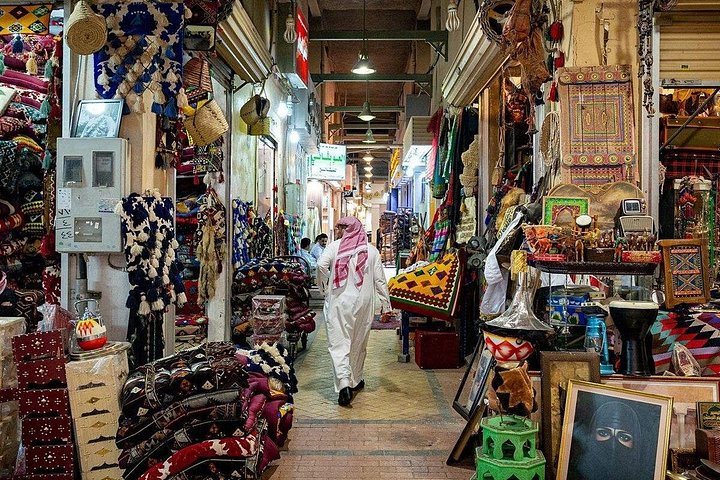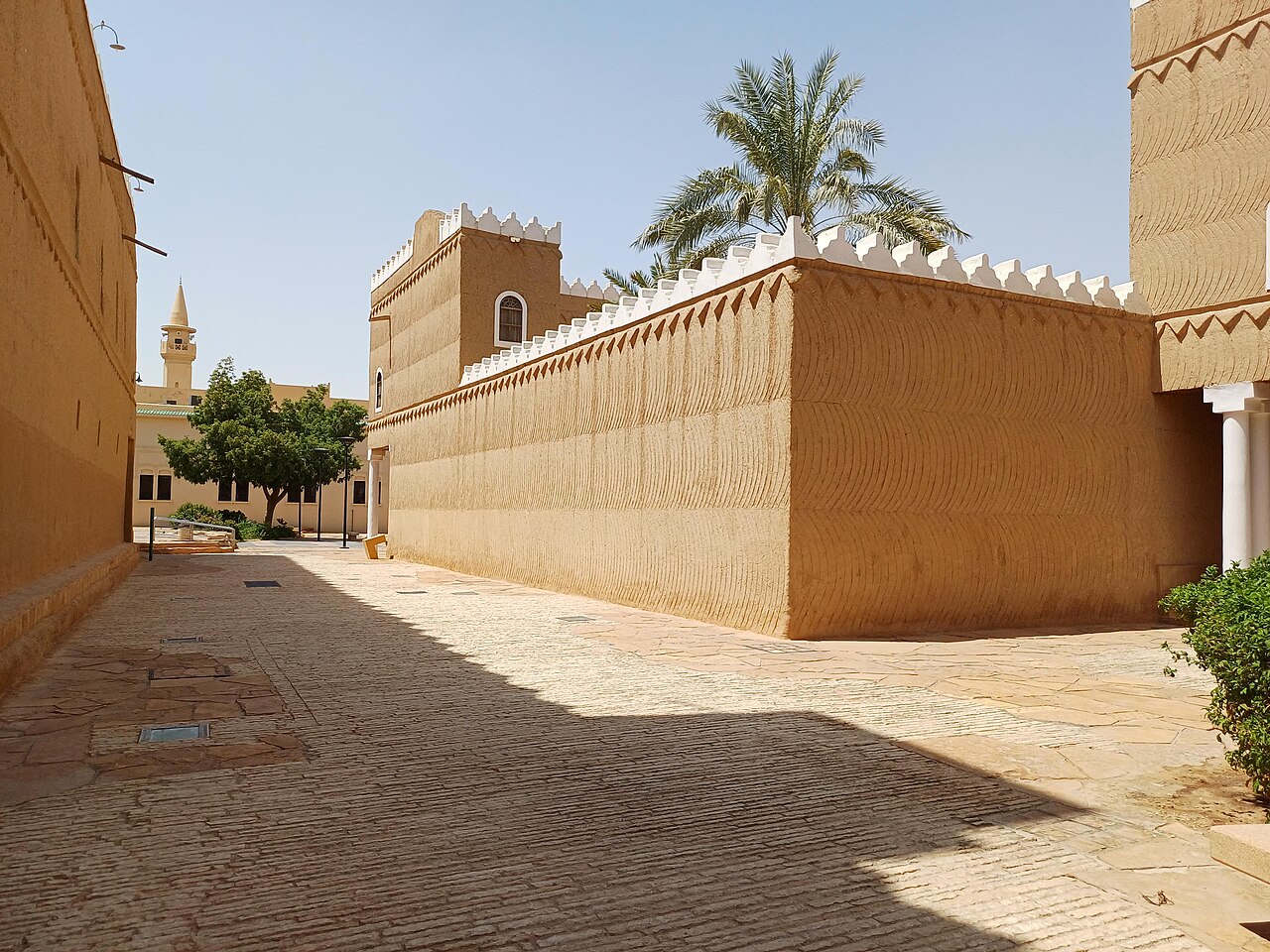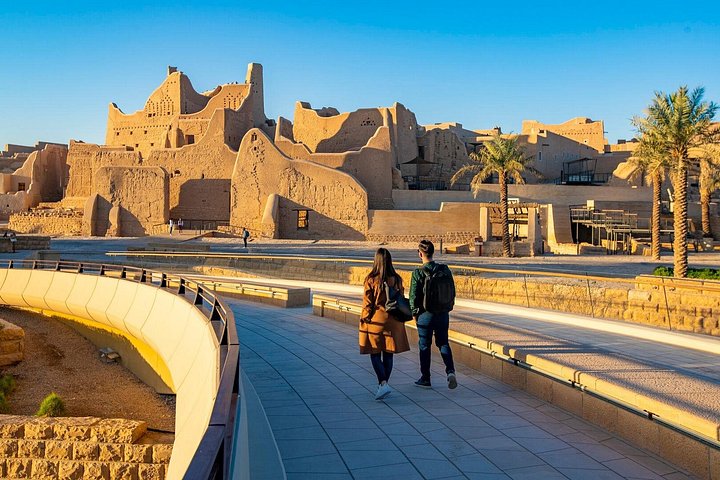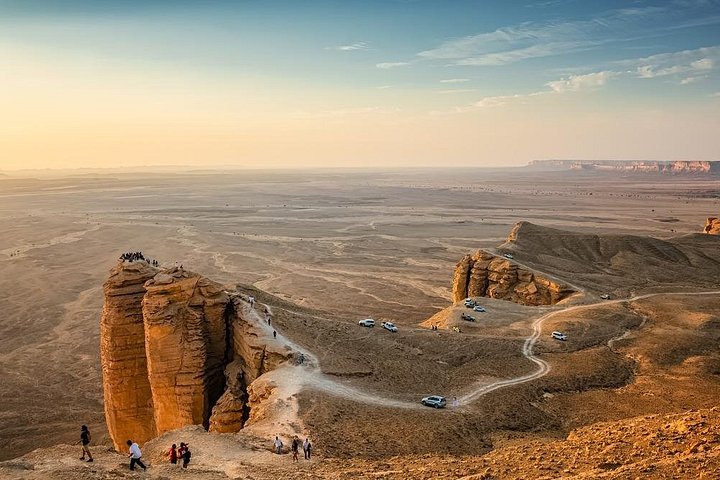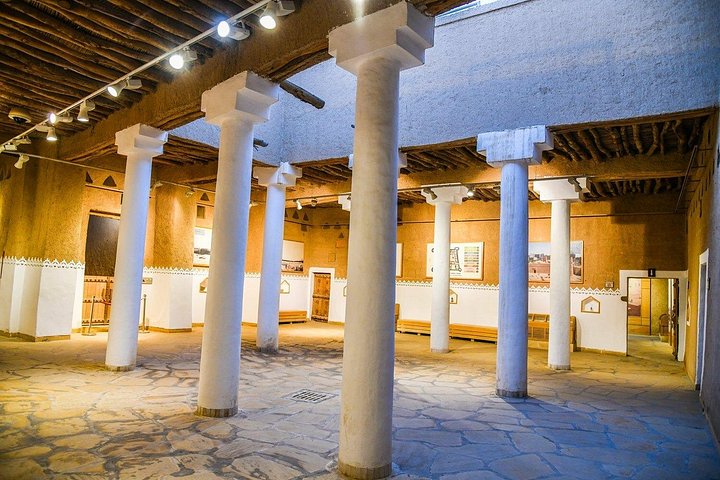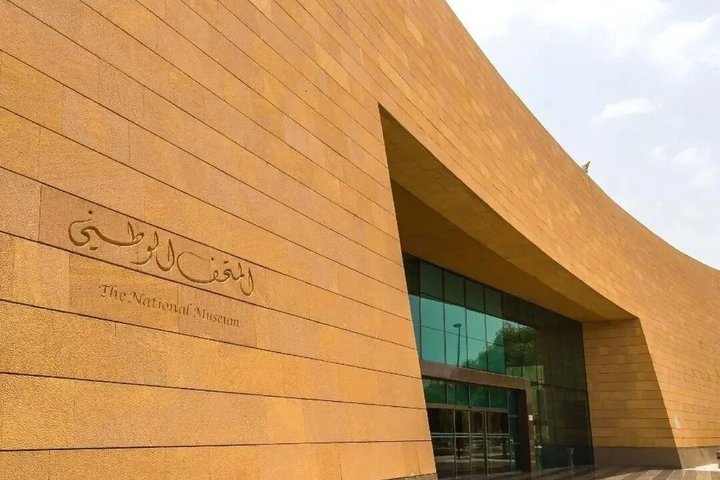
The National Museum of Saudi Arabia is the best single stop for the long story of the country, set in the King Abdulaziz Historical Centre in the Murabba district. The building is a large, modern complex of galleries arranged as a journey, from the formation of the Arabian Peninsula and its earliest human traces, through the Nabataean and other ancient kingdoms, to the rise of Islam, the Hajj and the modern state. Displays combine objects, models, films and reconstructions, and some galleries are immersive, which keeps the long route moving. The museum shares its grounds with Murabba Palace and sits near Masmak Fortress and Souq Al Zal, so it is an easy anchor for a full day of heritage sights in the old city.
Why it matters
Saudi Arabia is often discussed as a new destination, and this museum shows how deep the history runs. Rock art, inscriptions, tools and artefacts from sites across the country are gathered here, and the Hajj gallery puts the pilgrimage into context for visitors who may know little about it. If you plan to visit AlUla, Hegra or Diriyah, this is the place to get the background first.
How to visit
Entry terms, hours and booking rules have been described differently across sources, so check the museum’s current information before you go and do not assume a fixed closing day. The guided tour linked here is useful if you want the museum’s story explained, and it can be combined with other old-city sights. Allow at least two hours, because the galleries are large, and consider splitting a visit with a break.
Plan the visit for the cooler part of the day, wear comfortable shoes for long galleries and dress modestly. The museum is air-conditioned, which makes it a good choice for the hotter parts of the day, and it works well on a rest day between desert trips. Pair it with Murabba Palace in the same grounds, and finish with an evening at Masmak and Souq Al Zal.
What to expect
The experience
A self-paced walk through large themed galleries covering prehistory, ancient kingdoms, the rise of Islam, the Hajj and the modern state.
Best time
Daytime in any season, and especially in hot weather, because the galleries are air-conditioned.
How long
At least two hours, longer for a full visit.
Tips
Check current entry terms and hours, wear comfortable shoes and dress modestly.
Quick picks
- Best for
- History fans and anyone planning AlUla or Diriyah who wants the background first.
- Families
- Immersive galleries and films keep older children interested, though the route is long.
- Couples
- A relaxed, air-conditioned afternoon that pairs well with an evening in the old city.
- Pair with
- Murabba Palace in the same grounds, then Masmak Fortress and Souq Al Zal.
- Time needed
- Allow two to three hours.
Good questions
What will I see at the National Museum?+
Galleries trace the history of the Arabian Peninsula from prehistory through ancient kingdoms and the rise of Islam to the modern state, including a gallery on the Hajj. Displays mix objects, models and films.
How long does a visit take?+
Allow at least two hours, and more if you like to read everything. The galleries are large and a break in the middle helps.
Is there an entrance fee?+
Sources describe the fee differently, so check the museum’s current information before you go. A guided tour is available if you want commentary.
Where is it?+
It is in the King Abdulaziz Historical Centre in the Murabba district of central Riyadh, close to Murabba Palace and not far from Masmak Fortress.
Is it good in hot weather?+
Yes, the galleries are air-conditioned, so it is a good choice for the middle of the day. Save outdoor sights for the evening.