Rovaniemi is a place where the season changes the trip more than almost anywhere else in Europe. In winter it is a snow country with dark afternoons, sleds and aurora, and in summer it is a green, bright place where the sun hardly sets. Neither is better, but they are different, and the best time depends on what you want to do. This guide walks through the year and suggests who each season suits.
Early winter: late November to mid-December
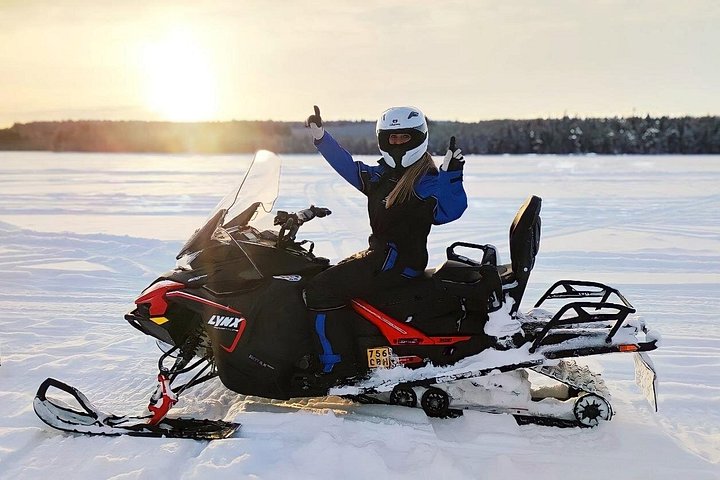
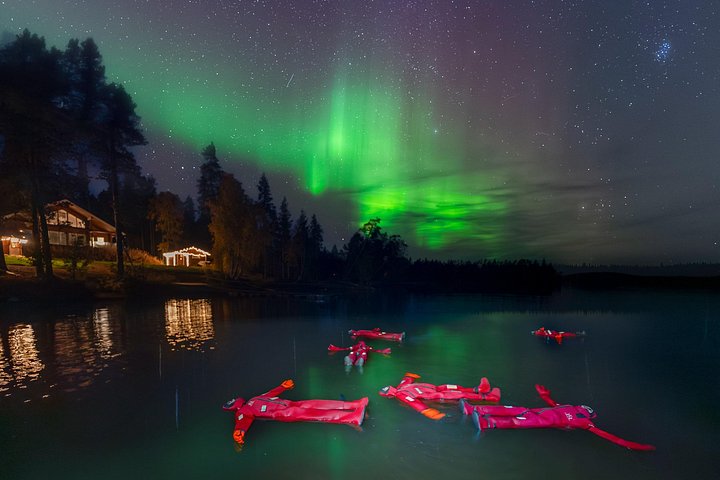
The first snow arrives, the days are very short and the Christmas lights come on. Snow-based activities such as sled rides, snowmobile safaris and ice floating typically begin in late November or December, depending on snow cover and the freeze, so check what is running on your dates. The advantage of this period is that crowds are smaller and prices are lower than the Christmas peak. The downside is that snow cover may be thin, and some activities may be limited. If a white landscape is the point of your trip, aim for later in December.
Christmas and New Year
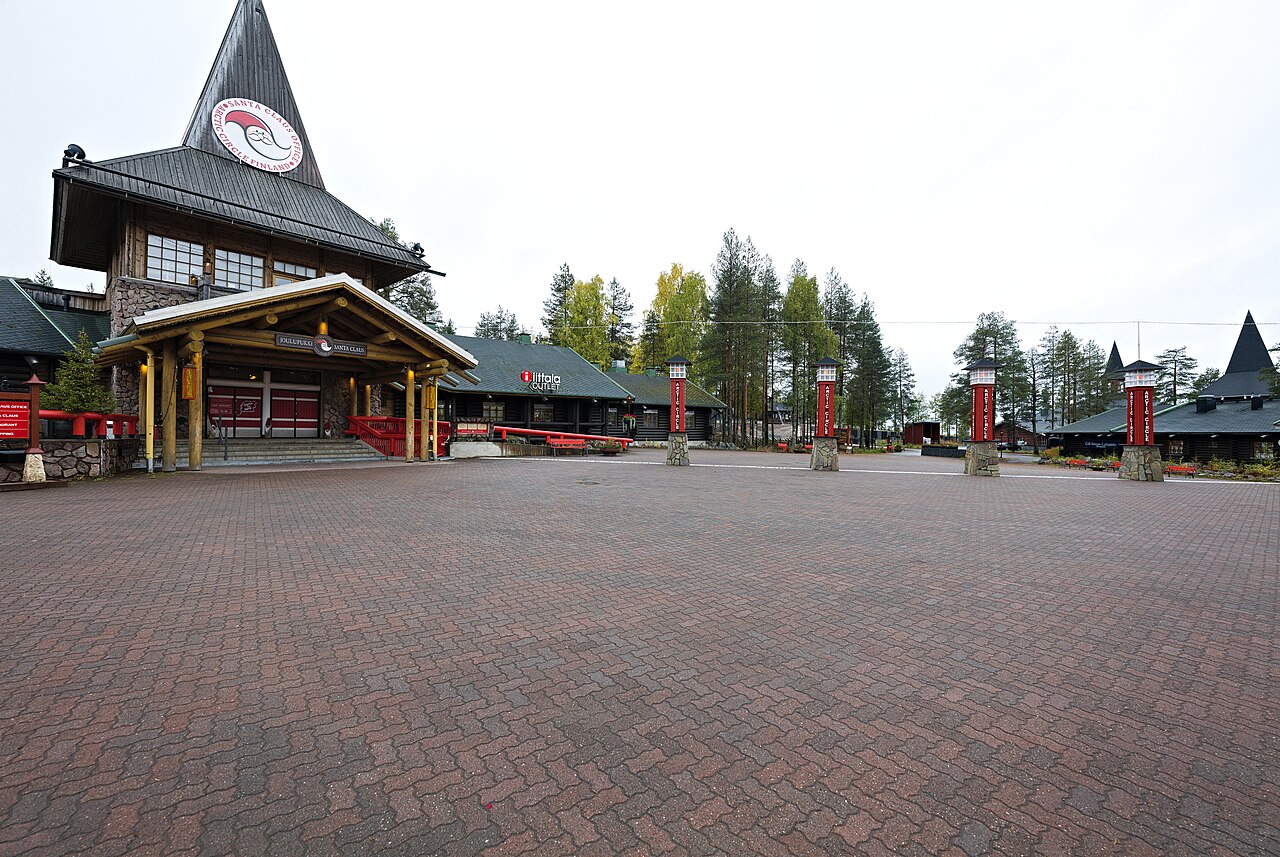
The weeks around Christmas are the busiest and most expensive time, with Santa Claus Village at its most festive and SantaPark full. If you want the full Christmas atmosphere, this is the time, but book flights, hotels and tours many months ahead. Days are at their shortest, with only a few hours of weak daylight, so plan outdoor activities for the middle of the day. Snow is usually reliable, and the cold can be serious, so dress carefully.
Deep winter: January to March
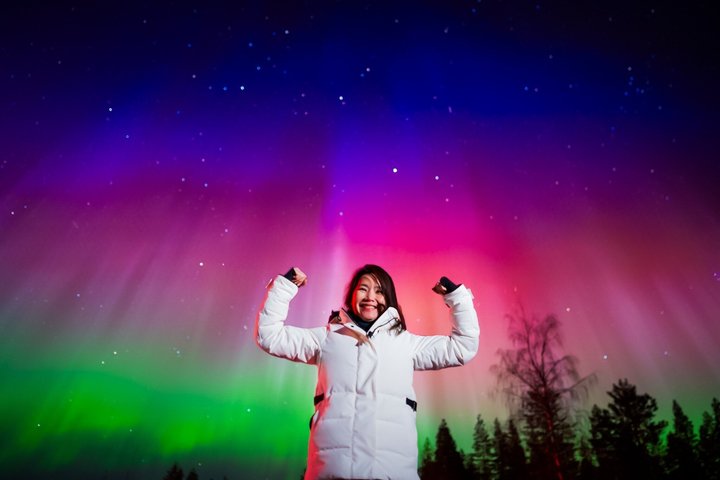
Many locals consider this the best season. The days begin to lengthen, the snow is deep and stable, lakes are frozen hard enough for ice fishing and ice floating, and the weather is often clear and cold, which is good for the Northern Lights. Husky, reindeer and snowmobile safaris run at full strength, and there are enough hours of daylight to enjoy them. February can be busy with school holidays, so book ahead. March brings brighter days and warmer afternoons, with still-reliable snow.
Spring: April and May
Spring is a transitional season in Lapland. Snow melts, the roads can be muddy and some winter activities end. Aurora season finishes in early April as nights become too bright, and the midnight sun has not yet arrived. Prices fall, and the city is quiet. It is a good time for travellers who want low costs and fewer people and do not mind a less photogenic landscape. Check which attractions are open, since some seasonal services close between winter and summer.
Summer: June to August
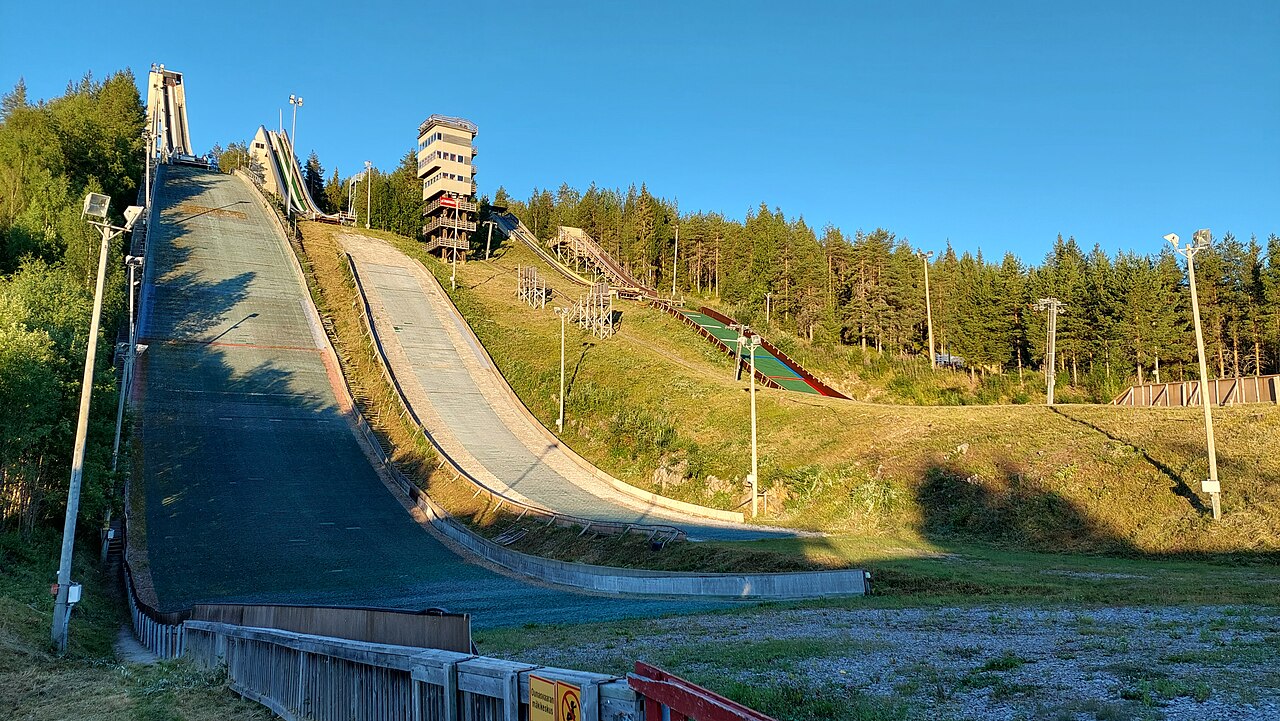
Around midsummer, the sun does not set at this latitude, and the long, golden light lasts through the night. The forest and rivers are green, and it is a good time for hiking, cycling, canoeing and fishing. Mosquitoes can be annoying in July, so bring repellent. The Northern Lights are not visible during the brightest weeks, but they return from late August as darkness comes back. Santa Claus Village is open all year and is much quieter in summer.
Autumn: September and October
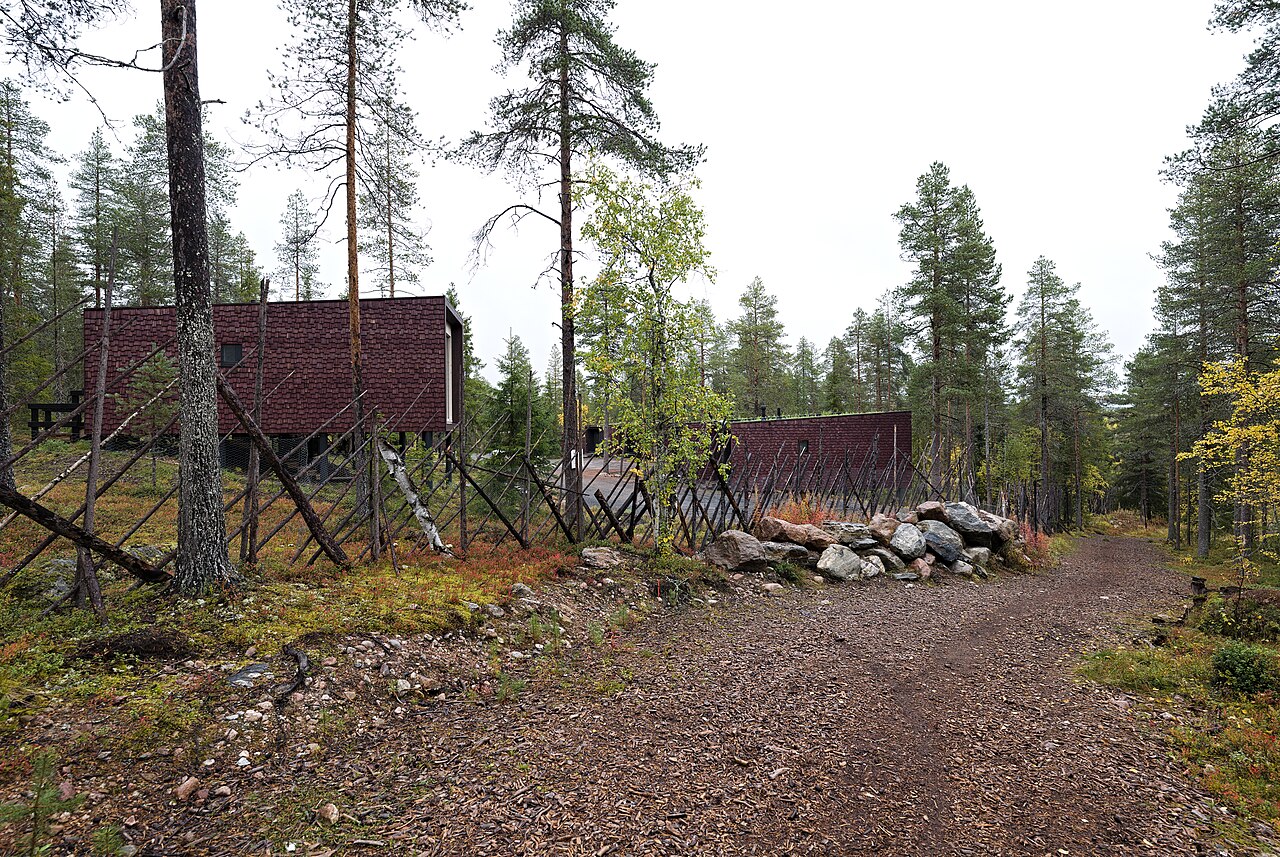
Autumn, known locally as ruska, is one of the most beautiful seasons, with birch and undergrowth turning gold and red, crisp air and the first dark nights. Aurora season is already under way, and cloud is common, so do not count on clear skies. Prices are lower and crowds are small, so it suits photographers and walkers. Some winter activities have not started, so check what is available on your dates.
Daylight and cold at a glance
In midwinter, expect only a few hours of low daylight, with temperatures that can fall well below freezing, and sometimes much lower during a cold snap. In spring and autumn, days are balanced and temperatures are mild but changeable. In summer, light lasts nearly around the clock and warm days are common, though nights can be cool. Whatever the season, pack layers and a windproof shell, and check the forecast a few days before you travel, since local operators adjust plans to the conditions.
How to choose
For snow, sleds and a classic Lapland trip, aim for January to March. For Christmas magic, accept the crowds and book early. For the lowest prices and quietest streets, consider early winter or autumn. For long light and hiking, choose midsummer. Whichever season you pick, plan at least three nights, book key activities in advance and pack in layers, because the weather in the north can change within a day.