Rovaniemi is one of the easiest places in the world to take children in winter, because the headline attractions are built for them. The trick is not what to do but how to pace it. Cold and darkness tire small people faster than adults expect, and a plan that mixes indoor and outdoor time keeps everyone happy. This guide covers what works for different ages, how to dress children and how to avoid the common mistakes.
Start with Santa
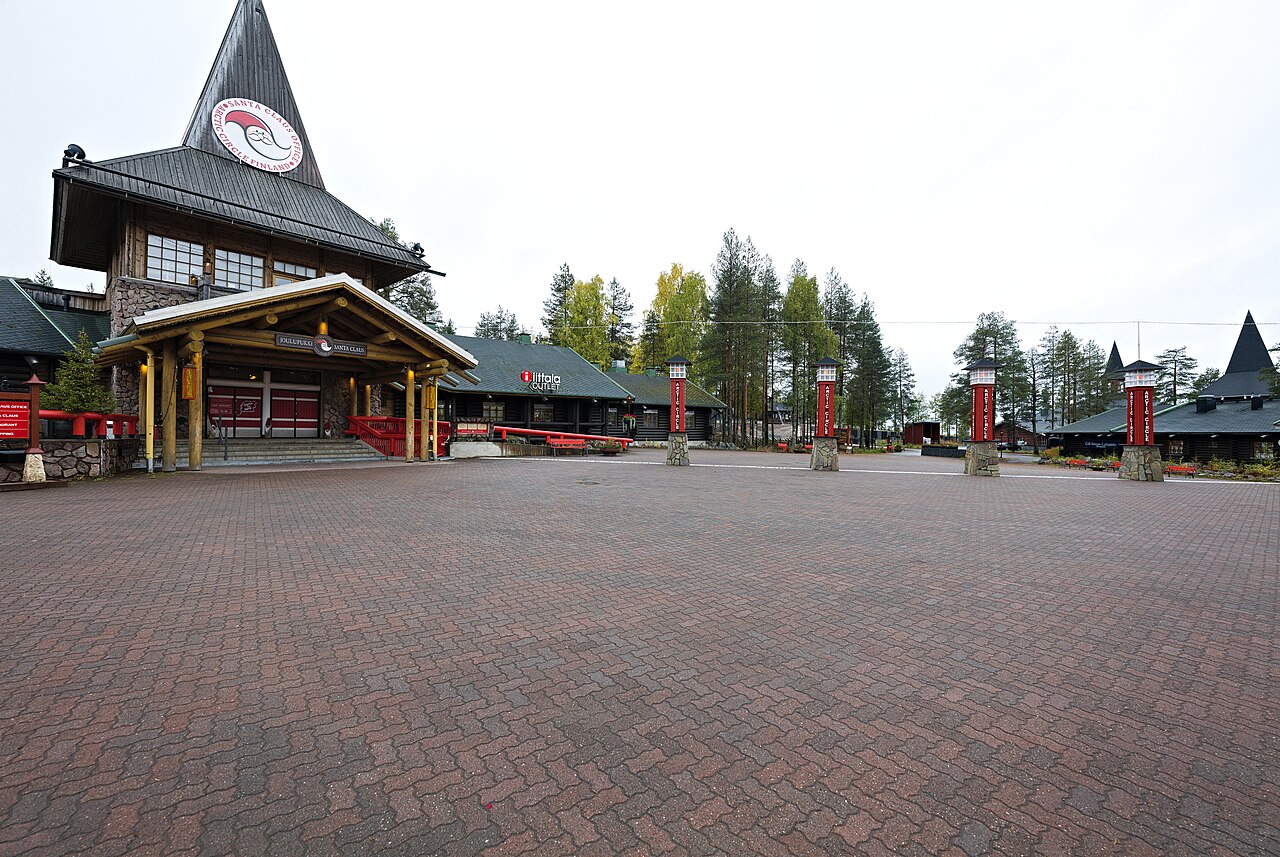
Santa Claus Village and SantaPark are the obvious first day. The village is free to enter and has the Arctic Circle line, a post office where children can send a card and Santa himself in a cosy cabin. SantaPark is indoors and underground, with an elf school, a gingerbread bakery and a Santa meeting, so it works even in a blizzard. Under-threes usually enter free, and strollers are manageable. Go early in the day to avoid queues, and decide in advance whether you want to buy the professional photographs. A warm lunch in the village keeps spirits high.
Animals
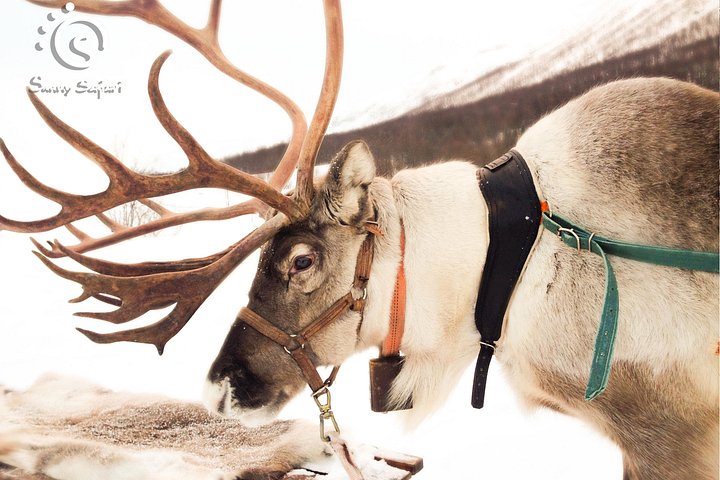
Reindeer and huskies are the favourite activities for many children. A reindeer farm visit or a short sled ride is slow and gentle, and children can usually feed or pet the animals. A husky safari is livelier, and many kennels let you meet the puppies and learn how the dogs live. Check age and weight limits when booking, since they vary. Ranua Wildlife Park is a good day trip, with Arctic animals including polar bears in a large park, and it works well for school-age children who like animals.
Snow fun
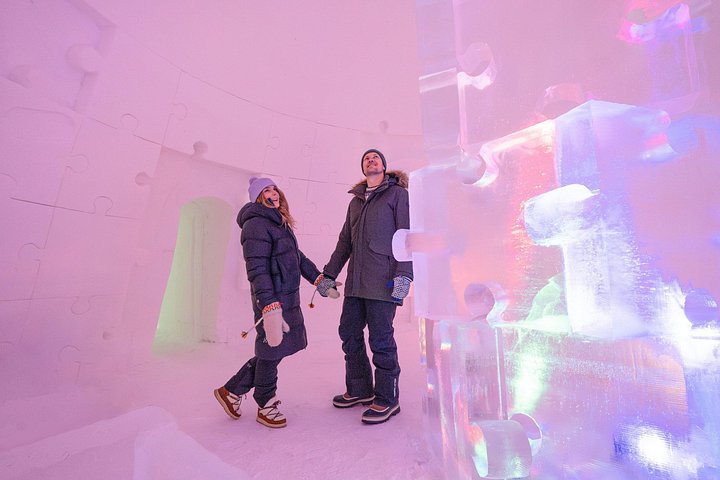
Many families add one snow activity, such as a short snowmobile ride on a family-friendly route, a snowshoe walk or ice karting for older children, with age and height rules to check. Ice floating and ice fishing suit older children and teenagers, and the Arctic SnowHotel is a hit with most ages for its sculptures, though small ones may get cold. Keep outdoor sessions short, and always have a warm place to retreat to.
Dressing children
Layers are the answer. A thermal base, a fleece or wool mid layer and a windproof, waterproof outer layer keep most children comfortable. Add insulated boots a size larger than usual to fit thick socks, a warm hat that covers the ears, mittens rather than gloves and a neck warmer. Bring spares, since wet mittens and socks ruin an outing. Many tour operators provide overalls and boots for children, so ask before buying. Check hands and cheeks often, and bring snacks and a hot drink in a flask.
Pacing the day
Short winter days mean a slow start is fine. Plan one main activity per day, ideally in the middle of the day when the light is best, and leave afternoons for rest, a swim at the hotel or a quiet cafe. If you want the Northern Lights, choose an evening when children can manage a late night, or let them sleep and see the sky another time. Younger children may find a night hunt too long and too cold. Build in a day with no bookings, and use it for a walk on Ounasvaara or a visit to the museum.
Rainy-day and cold-day backups
Keep a short list of indoor options for when the weather turns. Arktikum has interactive exhibits that suit school-age children, and its Northern Lights displays are a good introduction before an evening hunt. SantaPark is entirely indoors, and many hotels have saunas or pools that children enjoy after a day in the cold. A visit to a cafe with hot chocolate and a pastry can save a flagging afternoon, and a short walk along the river on a calm day gives everyone fresh air without a long commitment.
Where to stay
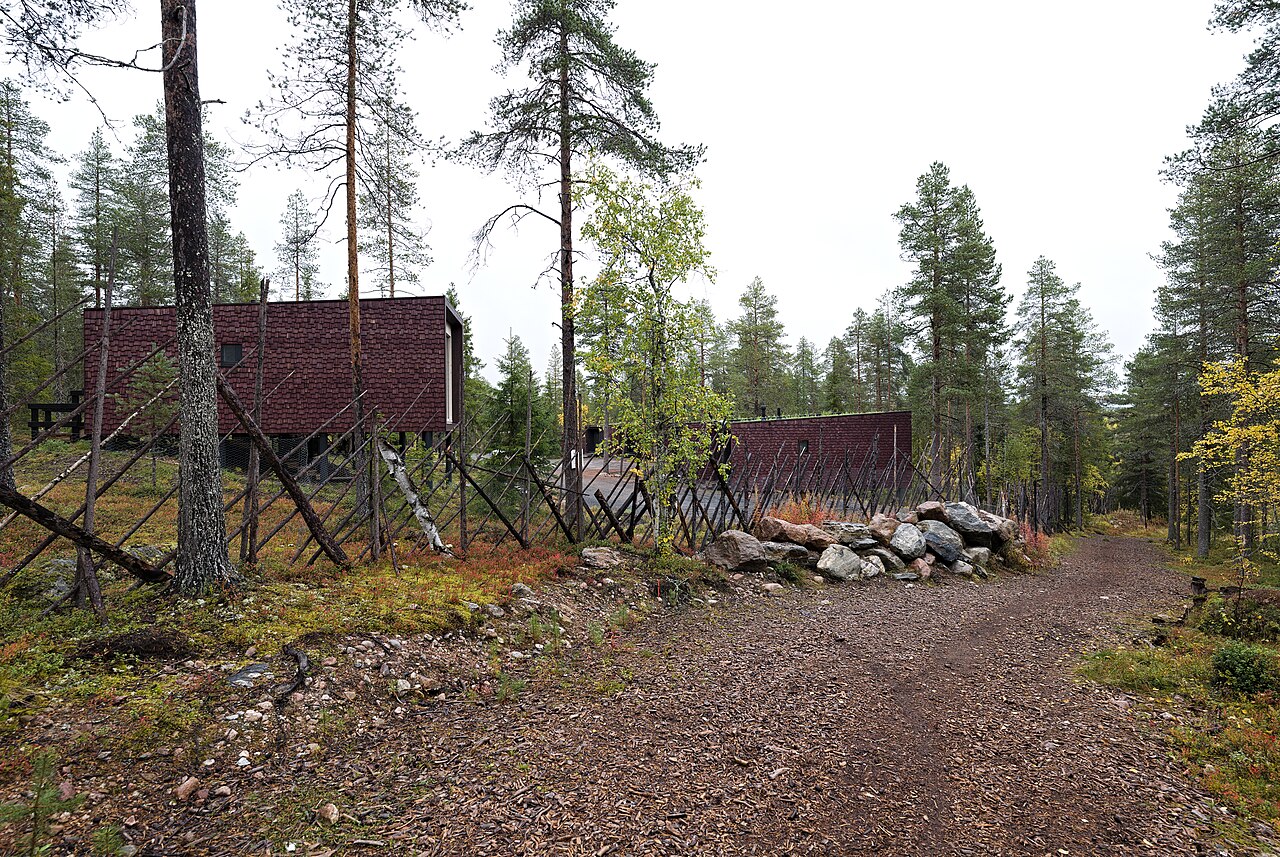
Families often choose the Arctic Circle area, where Santa Claus Village and SantaPark are close and transfers are short. A hotel beside SantaPark is a big win for small children. Staying in town gives more restaurant choice and easy tour pickups, and has family rooms in several hotels. Whichever you choose, book early for December and February, and check whether breakfast, cots and parking are included.
A last word
Children often remember small things more than headline sights, such as a reindeer's breath in the cold, a mug of hot berry juice or a snowball fight outside the hotel. Leave time for them, and let the weather and the children's energy shape the plan.