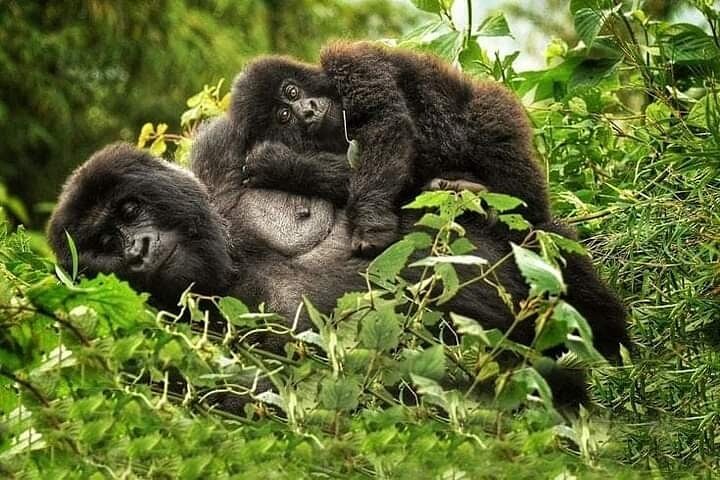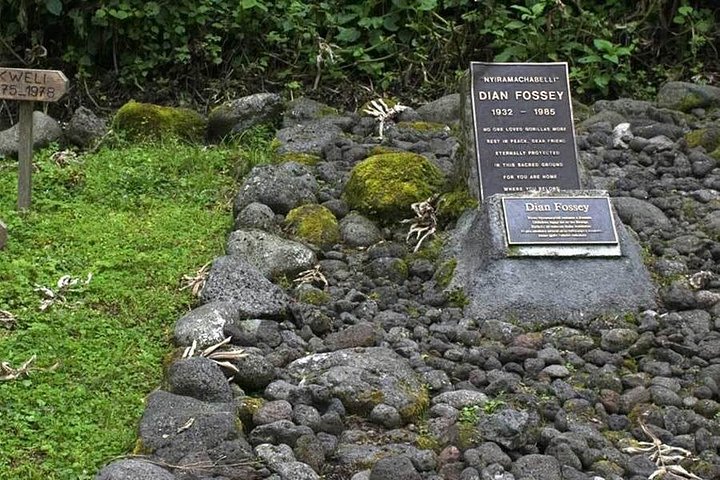
Dian Fossey spent nearly two decades studying and defending the mountain gorillas of the Virunga volcanoes, and the place where her story ends is a short, steep walk into the forest above the farmland of northern Rwanda. This day tour takes you from Kigali to Volcanoes National Park and up the slopes of Mount Bisoke to the site of the Karisoke Research Center, which she founded in 1967. The hike climbs from cultivated fields through bamboo and then into cool, damp montane forest, where the path can be muddy and the air smells of moss and wet leaves. At the top you reach the clearing where she is buried, next to a small graveyard for the gorillas that she knew by name, including Digit, whose death in 1977 pushed her campaign against poaching into the international spotlight. Fossey was killed at the camp in December 1985, and her grave remains one of the most visited historical sites in the park. The walk is a good fit for travellers who have read her book or seen the film made from it, and for anyone who wants a gorilla-themed day without the cost of a trekking permit. It is a hike rather than a wildlife encounter: you may see signs of buffalo, forest birds or monkeys, but gorillas are not part of the plan, and a guide will tell you honestly what to expect.
The route
The walk usually begins from the park's Bisoke trailhead near Musanze and takes roughly three to four hours in total, depending on your pace, the weather and how long you linger at the site. The first stretch crosses farmland, with potato and pyrethrum fields stretching up the hillside, and the path then enters bamboo and thicker forest.
It is a steady climb rather than a technical one, but it is steep in places and slippery after rain, so wear shoes with real grip and consider hiring a walking stick. Park rangers or guides lead the group, and porters can carry your bag for a small fee, which also supports local households.
What you will see
The Karisoke camp was abandoned long ago, and little remains of the original cabins, so the visit is more about atmosphere than buildings. The graves sit in a clearing among trees, marked with simple stones and carved names. Your guide will explain how the research camp began, why poaching and habitat loss threatened the gorillas in the 1970s and 1980s, and how conservation work today, led by the park authorities and research teams, has helped the population recover.
Photographs are welcome, but keep voices low and treat the site as a grave.
Planning the day
From Kigali the drive to Musanze takes around two to two and a half hours each way, so this is a long day unless you sleep near the park the night before. Operators typically include transport, a guide and lunch, but park fees and porters may be extra, so read the inclusions carefully and confirm the current park fee with the Rwanda Development Board or your operator.
Pack a rain jacket, water, a snack and layers, because it is cool and often misty at altitude. The best months are the drier ones, from June to September and December to February, when the trail is firmer and views through the trees are clearer.
Who it suits
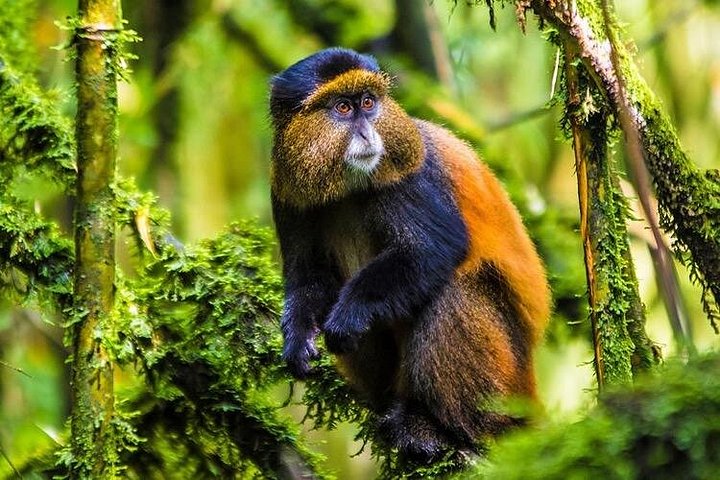
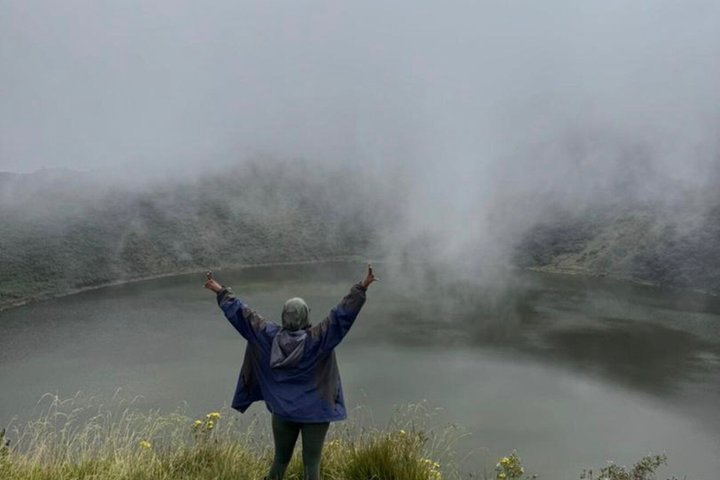
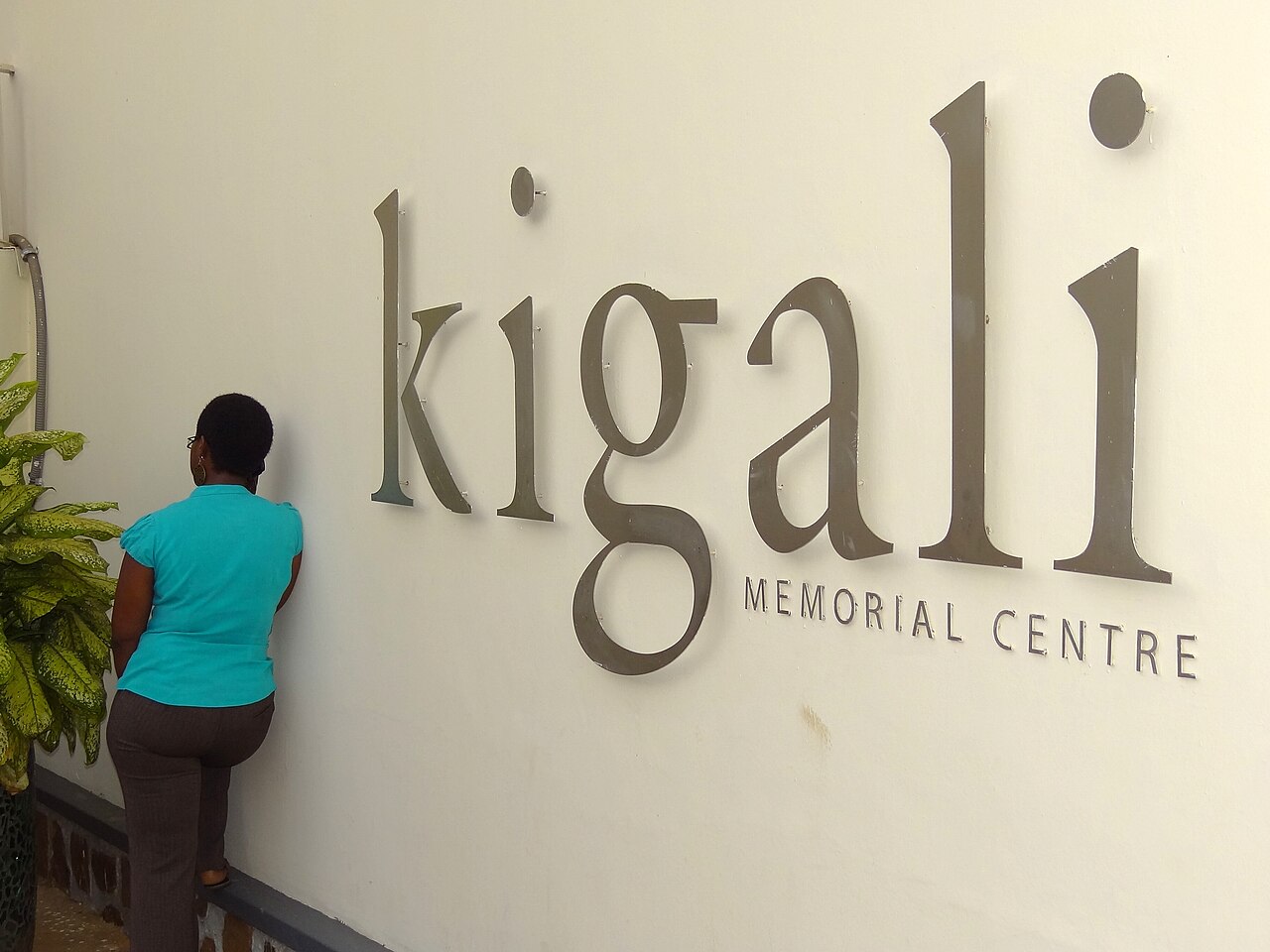
Moderately fit adults and older children who can walk uphill for a few hours. It pairs well with a gorilla trek or golden monkey trek on a neighbouring day, or with the Mount Bisoke crater lake hike if you want a bigger summit challenge. If you would rather stay in the city, the Kigali Genocide Memorial gives the broader story of modern Rwanda instead.
What to expect
The experience
A guided day trip from Kigali, followed by a forest hike on Mount Bisoke to the Karisoke research site and the graves of Dian Fossey and the gorillas she studied.
Best time
The drier months, June to September and December to February, when the trail is firmer and visibility is better.
How long
A full day, with roughly three to four hours on foot plus the drive from Kigali.
Tips
Wear grippy boots, bring a rain jacket and water, consider a porter and a walking stick, and confirm whether the park fee is included.
Quick picks
- Best for
- Readers of Fossey's story and travellers who want a gorilla-themed day without a trekking permit.
- Families
- Suitable for fit older children who can walk uphill for a few hours; there is no wildlife encounter promised.
- Couples
- A quiet, misty forest walk with a meaningful destination.
- Pair with
- A gorilla or golden monkey trek on another day, or the Mount Bisoke crater lake hike.
- Time needed
- One full day from Kigali, or a half day if you are already staying near Musanze.
Good questions
Do I see gorillas on the Dian Fossey tomb hike?+
Gorillas are not part of this hike. You walk to the old research site and the graves, and you may see forest birds or other wildlife, but a gorilla encounter needs a separate trekking permit.
How hard is the walk?+
It is a steady uphill hike of a few hours, steep and muddy in places. Moderately fit adults and older children usually manage it with a guide setting the pace.
How long does the day take from Kigali?+
Allow a full day. The drive to Musanze takes about two to two and a half hours each way, and the hike itself takes roughly three to four hours.
Is the park fee included?+
It depends on the operator. Check what the tour includes and confirm the current park fee with the Rwanda Development Board if you are unsure.
Can I combine it with other activities?+
Yes. Many travellers add a gorilla trek, a golden monkey trek or the Mount Bisoke crater lake hike on neighbouring days, with a night in or near Musanze.