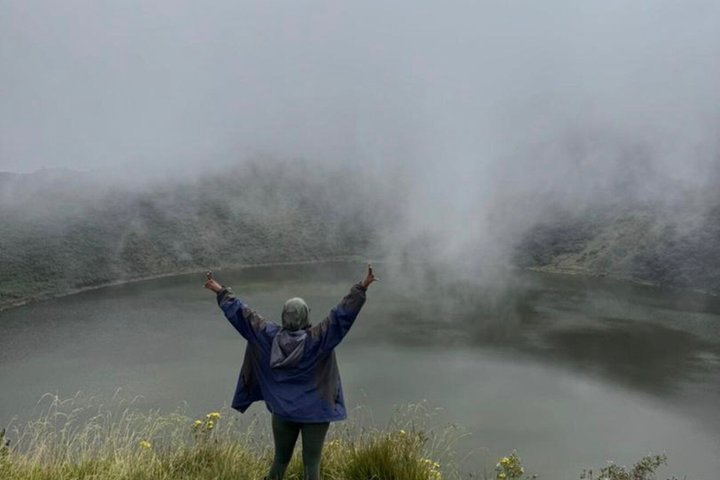
Mount Gahinga is one of the three volcanoes that rise from the Rwanda, Uganda and Congo border region and the smallest of the Virunga range that you can climb on a day trip from Kigali. Its name means pile of stones, a reference to the lava rocks farmers once cleared from the fields at its base. The summit sits at around 3,500 metres, and the hike takes you through farmland, bamboo and montane forest to a crater filled with a swampy lake and fringed with giant lobelia and heather. It is a good choice for travellers who want a volcano summit without the long grind of a bigger peak, or for anyone who wants an active day in Volcanoes National Park without a gorilla permit.
The route
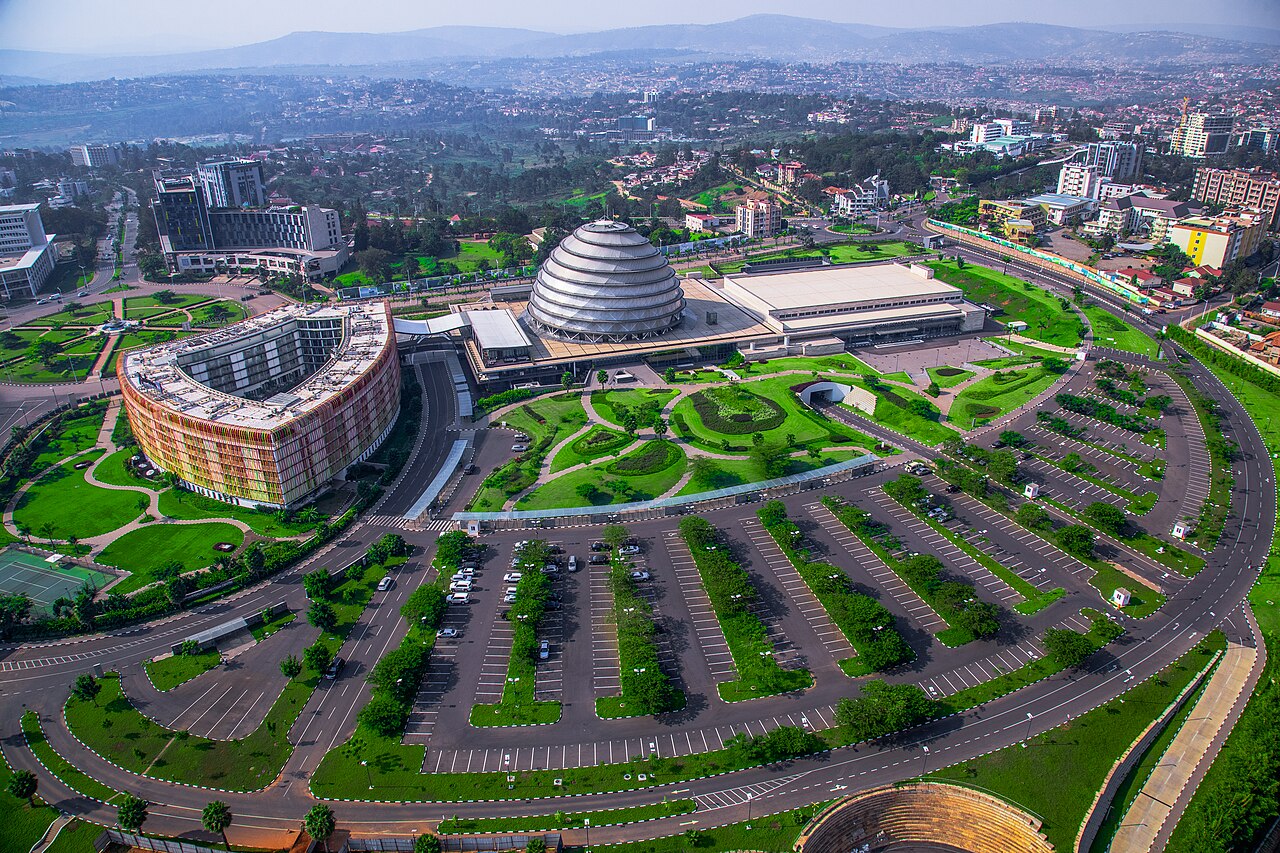
The day begins early with a drive from Kigali to Musanze, which takes around two to two and a half hours. After a briefing at the park office, you are assigned a guide and armed escorts, who accompany hikers in the park as a precaution against buffalo and elephant. The trail begins across potato and pyrethrum fields, then climbs through dense bamboo and into thicker forest as the air cools.
The path is steady rather than technical, though the last section can be steep and muddy. The summit crater is small and calm, with lobelias growing tall in the moist ground and views over the neighbouring volcanoes when clouds allow.
What you may see
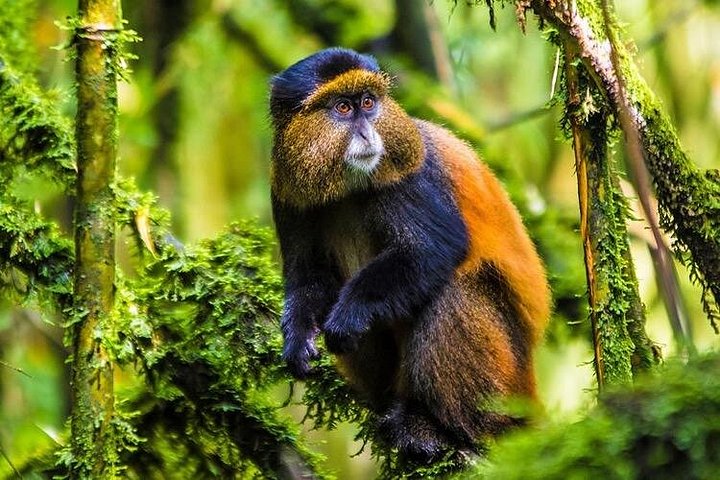
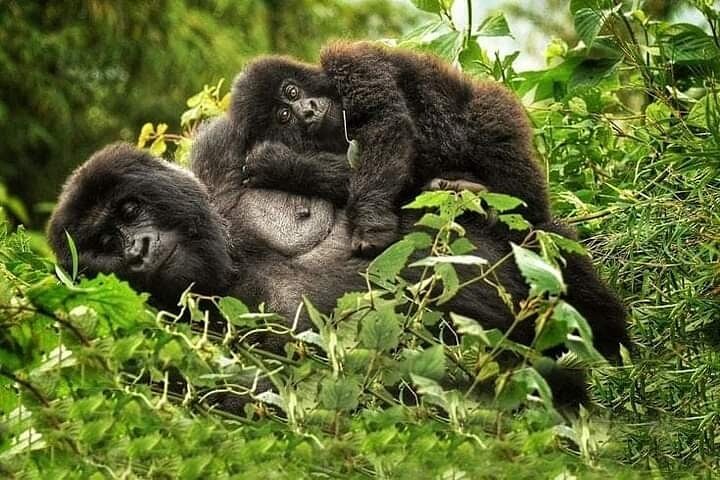
The trail passes through the habitat of golden monkeys and mountain gorillas, though the hike itself is not a wildlife trek and sightings are not promised. You are more likely to see birds, forest flowers and, on a clear day, the long line of the Virunga peaks. Keep expectations about weather modest: the mountains make their own clouds, and mist is common at the top. When it clears, the view is excellent and well worth the climb.
Planning the day
Allow a full day, with roughly four to six hours on the trail depending on pace, plus the drive each way. The best conditions are in the drier months, June to September and December to February, though rain can fall at any time.
Wear grippy boots, take a rain jacket, gloves and a warm layer for the summit, and carry water and lunch. Porters can be hired at the trailhead to carry your bag, and they appreciate the work. Tour inclusions differ, so check whether the park fee is part of the price.
Who it suits
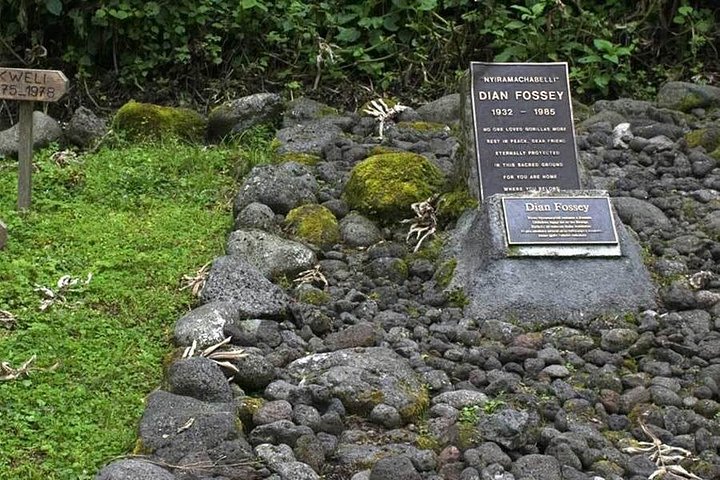
Reasonably fit travellers, including active older children, who want a manageable summit. If you are comparing the volcano hikes, Gahinga is the easiest, Bisoke is the most popular and has the best-known crater lake, and Sabyinyo and Karisimbi are tougher. A good pairing is a golden monkey trek or the Dian Fossey tomb hike on neighbouring days, with a night in Musanze to break up the driving.
What to expect
The experience
A guided day trip from Kigali with a hike to the crater lake summit of Mount Gahinga in Volcanoes National Park, with a park guide and armed escort.
Best time
The drier months, June to September and December to February, for firmer ground and clearer views.
How long
A full day, with four to six hours on foot plus two to two and a half hours of driving each way.
Tips
Start early, wear grippy boots, bring a rain jacket and warm layer, and hire a porter at the trailhead if you want a lighter pack.
Quick picks
- Best for
- Travellers who want a volcano summit that is shorter and gentler than Bisoke or Karisimbi.
- Families
- Suitable for fit older children who can walk uphill for several hours.
- Couples
- A quiet misty hike to a crater lake, with a night in Musanze to ease the day.
- Pair with
- A golden monkey trek, the Dian Fossey tomb hike or a night at Musanze before a gorilla trek.
- Time needed
- One full day from Kigali, or half a day if you are staying near Musanze.
Good questions
How hard is Mount Gahinga?+
It is the gentlest of the Virunga volcano hikes, but it still involves several hours of steady uphill walking on muddy trails, so reasonable fitness is needed.
Will I see gorillas on the hike?+
Not as part of the hike. The volcano slopes are habitat for gorillas and golden monkeys, but sightings are not promised and a gorilla encounter needs a separate permit.
How long does the hike take?+
Roughly four to six hours on the trail, depending on your pace and how long you stay at the crater, plus the drive from Kigali.
What should I bring?+
Grippy hiking boots, a rain jacket, a warm layer, gloves, water, a packed lunch and sun protection. A walking stick helps on the muddy sections.
Is the park fee included in the tour?+
It varies by operator, so check the inclusions and confirm current fees with the Rwanda Development Board if you are unsure.