Rwanda sits just south of the equator, but its altitude keeps it temperate. Kigali is around 1,500 metres above sea level, the volcano slopes are higher still, and daytime temperatures in most of the country are pleasantly warm rather than hot, with cool mornings and evenings. The main change through the year is rain, not temperature, and the rhythm of wet and dry seasons shapes the best time for each activity.
The two dry seasons
The long dry season, roughly June to September, is the most popular time to visit. Skies are clearer, trails are firmer, wildlife is easier to see in Akagera as animals gather near water, and roads are more reliable. It is also the busiest period, so gorilla and primate bookings, hotels and tours should be arranged well ahead. The short dry season, roughly December to February, is a close second. It is warm and mostly dry, with good conditions for hiking and primate tracking, but it overlaps with the year-end holidays, so book early for those weeks.
The rainy seasons
The long rains arrive roughly from March to May, and the short rains from October to November. Rain tends to come in the afternoon or evening, often in heavy bursts, rather than all day. Trails in Volcanoes and Nyungwe become muddy and slippery, views can be misty and some roads are slower, but the countryside is at its greenest, crowds are thinner and some operators offer lower rates. These months suit travellers who are flexible, well prepared and happy to hike in the wet.
By activity
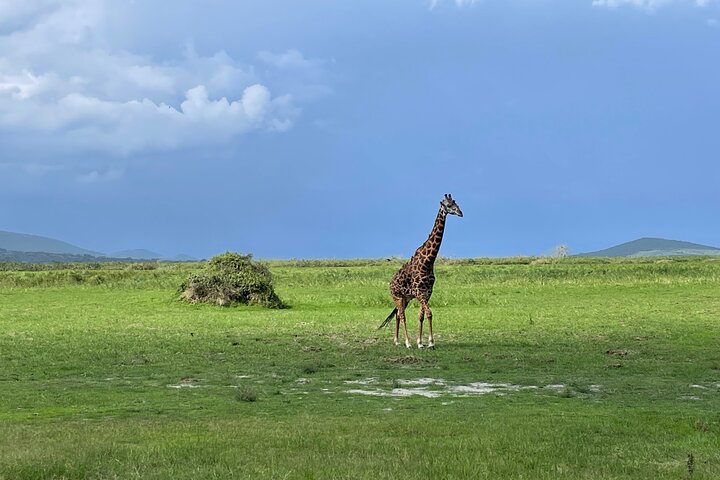
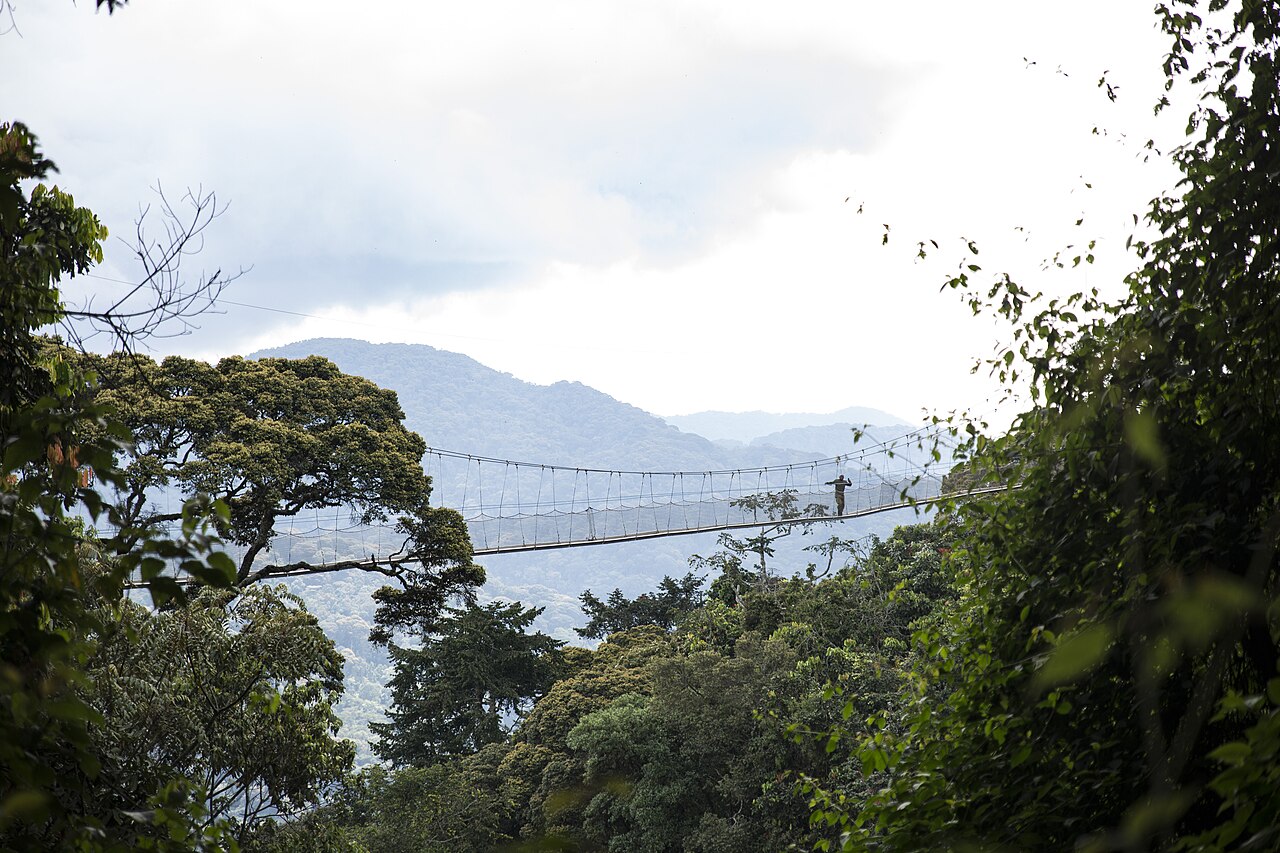
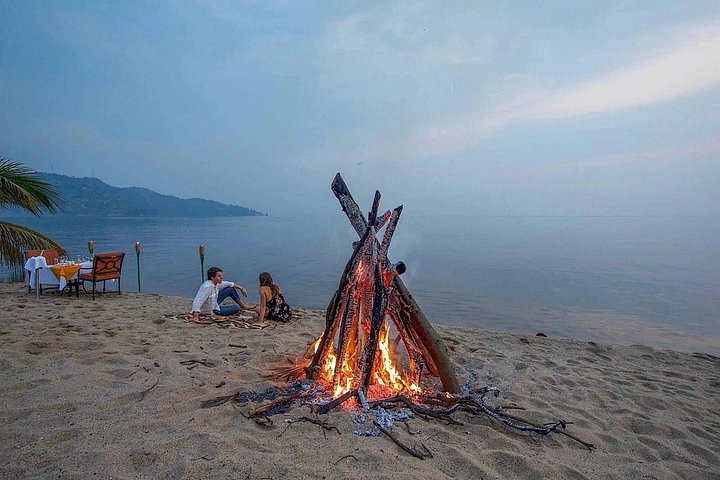
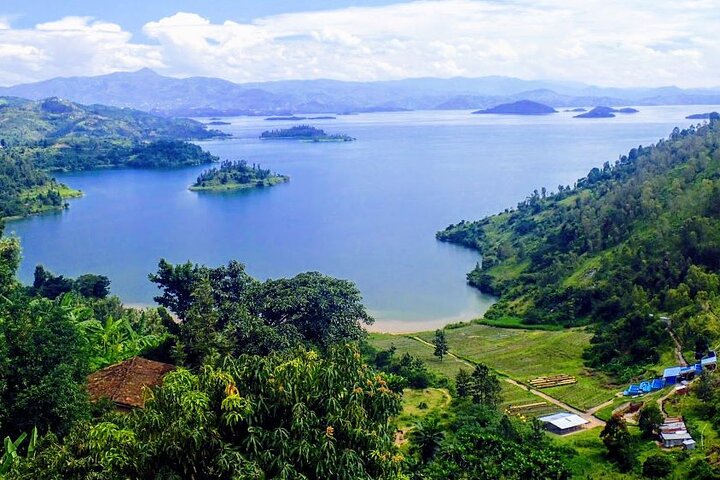
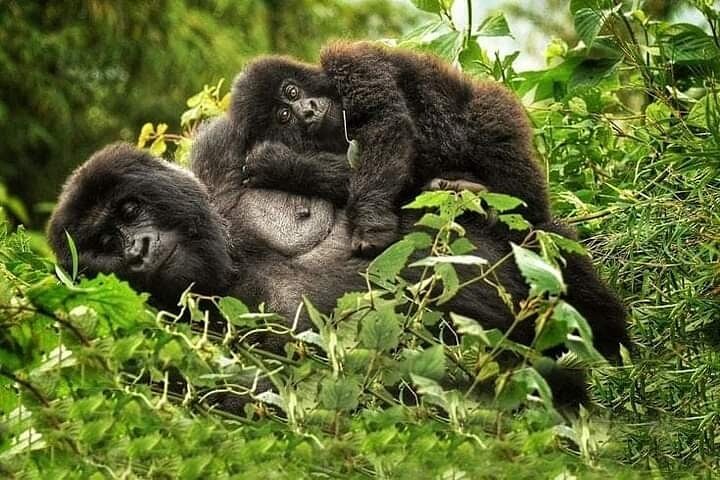
For gorilla trekking, the dry months are more comfortable, but treks run all year, and the permit price for international visitors is the same throughout. The treks can be muddy at any time of year, so good boots and gaiters help. For Akagera, the dry season is best for game viewing, with a bonus of fewer insects, while the green season is better for birds and scenery. For Nyungwe and the canopy walk, drier months give better visibility from the bridge, but the forest is wet by nature and rain gear should always be packed. For the Dian Fossey tomb hike, Mount Bisoke and the Twin Lakes, dry weather makes paths safer and views clearer. For Lake Kivu, the dry season gives the best beach weather, though the lake is pleasant most of the year. For city sightseeing, the memorials, the museums and the food tours work in any month.
Events and closures
The national mourning period begins on 7 April each year and runs for a week, followed by a longer period of remembrance. It is a time of deep significance, and visitors should expect quieter streets, modified opening hours at some venues It is possible to travel then, but be respectful of the mood, expect changes to opening hours and check what is open before you plan. On the last Saturday of each month, the national community work day, Umuganda, means that many roads and shops are quiet until late morning, which is worth knowing when you plan travel days. Coffee harvest runs through roughly April or May into July, which is a good time for a coffee farm visit.
Crowds and prices
The dry months bring the highest demand, and hotels and tours are at their busiest and most expensive, while the rainy months can offer better availability and flexibility on dates. Gorilla permits are limited all year, so for the dry seasons secure the permit before anything else. If you can only travel in a rainy month, schedule the gorilla or hiking day early in the trip, so that you have spare days to reshuffle if the weather turns.
Packing for the season
Whatever the month, bring layers, a rain jacket, sturdy shoes with grip and sun protection. In the rainy months add waterproof bags and quick-drying clothes. In the dry months bring a warm layer for mornings in the north, where it can be near freezing on the volcano slopes at dawn.
Our suggestion
If you want the safest bet, aim for June to September or December to February and book early. If you are flexible, April, May, October and November can offer lovely scenery, fewer visitors and better value, as long as you accept some mud and showers. Either way, check your government's current travel advice and entry rules before you book, since they can change quickly.