Three days is short for Rwanda, but it is enough to see its two sides: a calm, orderly capital with a serious history, and a green countryside with some of the best wildlife encounters in Africa. The secret is to plan around the one fixed thing, the gorilla permit, and to accept that you will leave things out. Here is a sensible shape for the time you have.
Before you go
Book the gorilla trekking permit first if you want one. It costs 1,500 US dollars per person per day for international visitors, a limited number are issued each day, and the minimum age is fifteen. If the permit is out of reach, golden monkey tracking and the Dian Fossey tomb hike are cheaper ways to get into Volcanoes National Park. Arrange your hotel and a driver or operator for the north, and check your government's travel advice and Rwanda's entry rules before you fly, because they can change at short notice.
Day one: Kigali
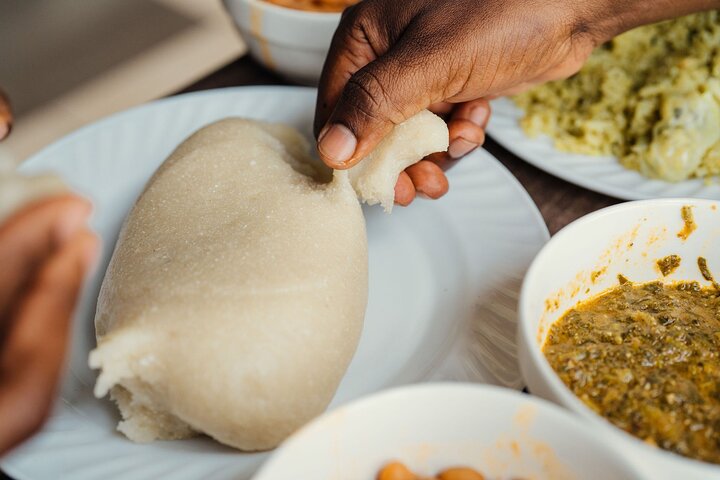
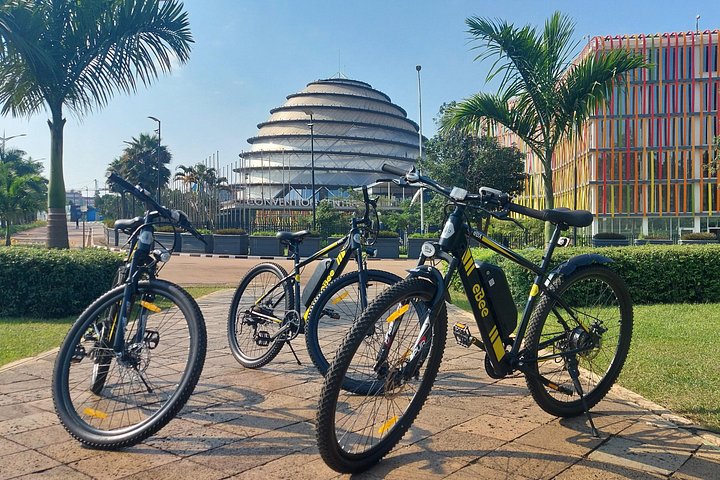
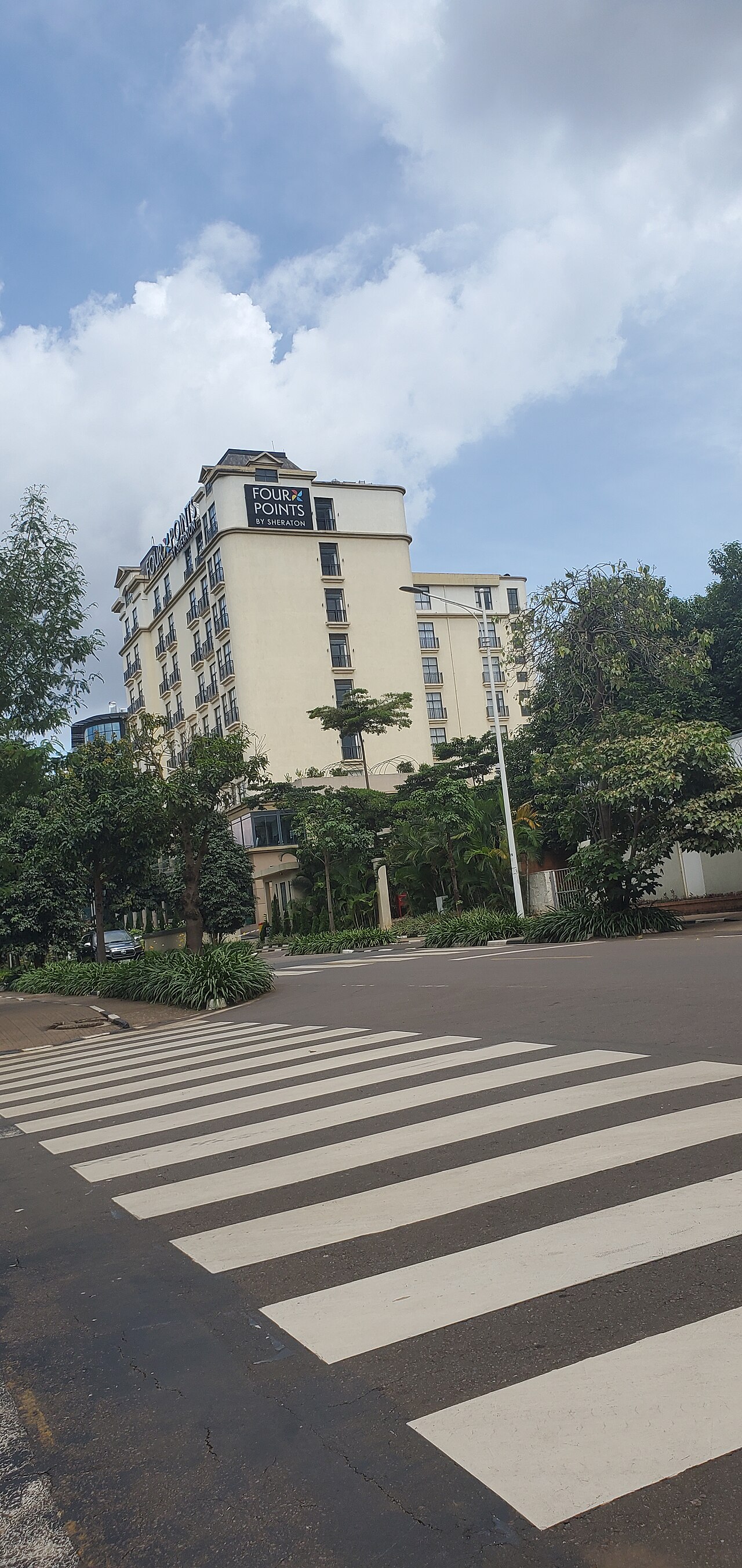
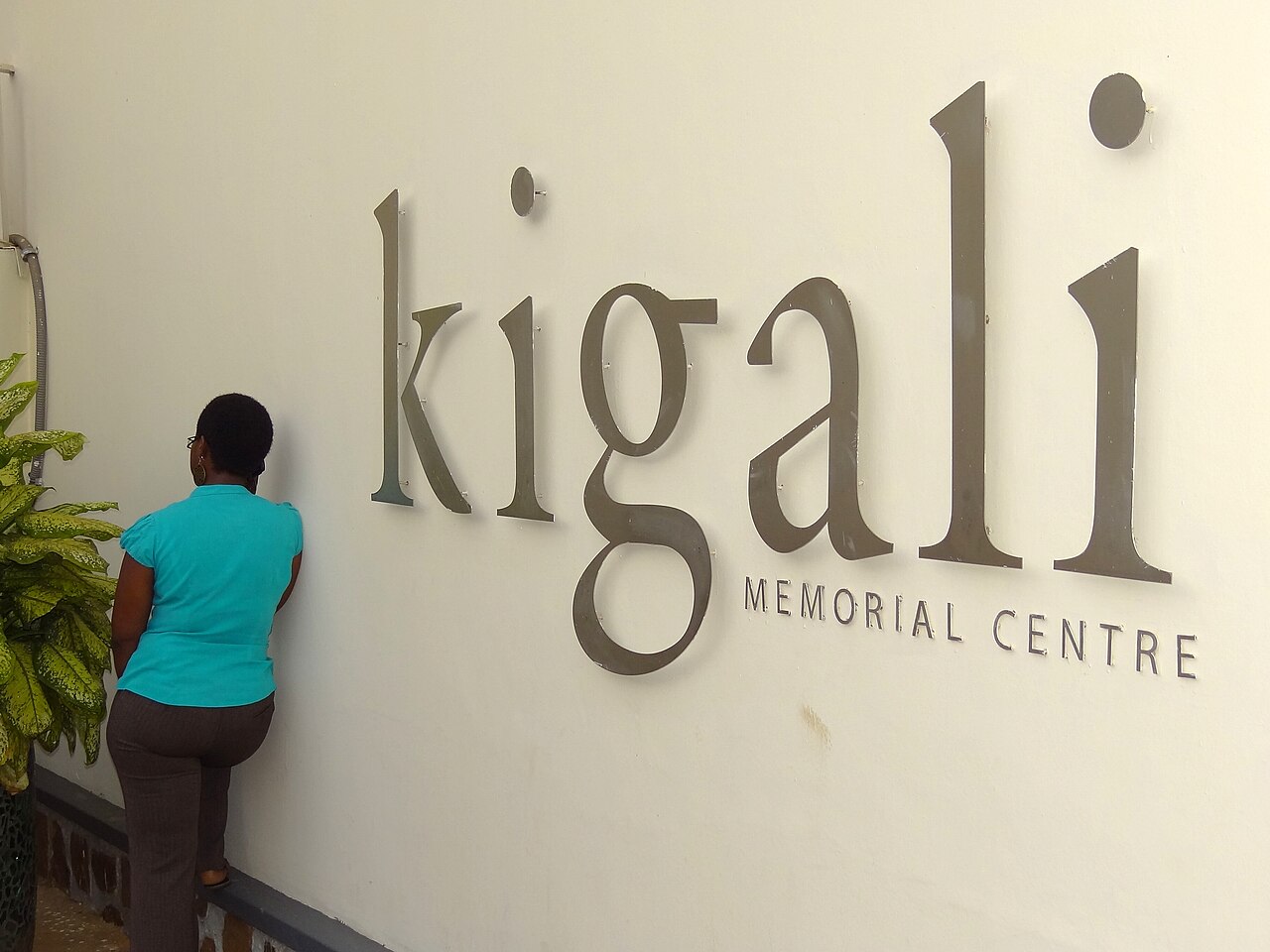
Start with the Kigali Genocide Memorial, which is free to enter and gives the context for everything else you will see. Go in the morning, allow two to three hours and keep the afternoon gentle. After a quiet lunch, take a city tour or the Kigali walking tour to see the markets, the crafts shops and the hilltop views, or ride the hills on the e-bike tour if you want something more active. In the evening, join the Nyamirambo walking food tour, which takes you into the liveliest neighbourhood of the capital for brochettes, plantains and local drinks. Sleep in a central hotel, such as the Marriott, the Four Points or the Park Inn, so that the early start the next day is easy.
Day two: the north
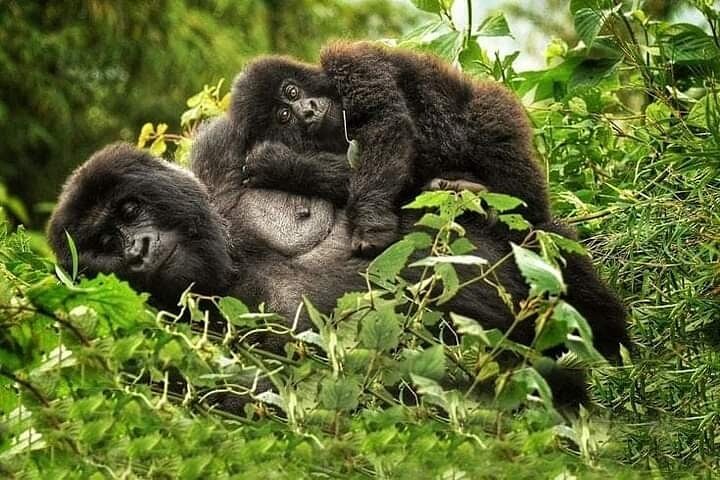
Leave Kigali early for Volcanoes National Park. The drive to Musanze takes around two to two and a half hours, and the trek starts with a briefing at the park headquarters. A gorilla trek usually lasts from half a day to most of a day, depending on how far the troop has moved, and you spend about an hour with the gorillas. If you do not have a permit, choose golden monkey tracking, the Dian Fossey tomb hike or the Mount Bisoke crater lake hike. Return to Kigali the same evening, which makes for a very long day, or spend the night near Musanze if your itinerary allows it. The overnight option is more comfortable and also lets you add the Twin Lakes on the morning after.
Day three: choose your own
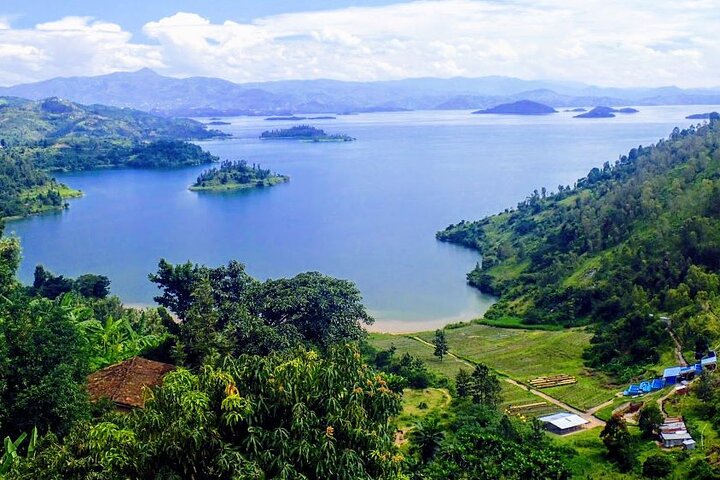
The third day depends on your interests. For wildlife, an Akagera day safari is possible but demanding, because the drive is around two and a half hours each way, so many visitors prefer to keep it for a longer trip. For scenery and rest, take a day at Lake Kivu or walk the Twin Lakes, both of which suit a slower pace. For culture and history, drive south to the King's Palace Museum at Nyanza and the Ethnographic Museum at Huye, or visit the Nyamata and Ntarama memorials for a more direct encounter with the genocide's history. For something gentler, a coffee farm trek is an easy morning in the hills. Whichever you choose, keep an eye on your flight time and give yourself a margin on the road, since distances are short on the map but slow on the ground.
Practical tips
Use a driver or a tour operator for the parks, and use ride-hailing apps or licensed taxis in Kigali. Bring layers, because mornings in the hills are cool and the north can be wet, and pack sturdy shoes and a rain jacket. Carry small notes of Rwandan francs for tips and small purchases. Plastic bags are banned in Rwanda, so pack with reusable bags. If you only have three days, try not to add a second park, because road time will eat into everything else.
Where to sleep
For a three-day trip, one hotel in Kigali for the first and last nights is usually enough, with an optional night near Musanze. The Marriott and the Four Points are polished central choices, the Park Inn is the value pick with a pool and free parking, and Heaven suits couples who want a quiet garden. Ask your hotel to store luggage if you stay a night in the north, so that you only carry a small bag, and confirm breakfast times before dawn departures.
If you can stretch it
A fourth and fifth day let you add the Nyungwe canopy walk or a night in Akagera, and a longer trip makes the gorilla day less rushed. But even three days will give you a clear picture of why Rwanda has become one of Africa's most talked-about destinations.