Rwandan food is simple, fresh and built around what grows on the hills: beans, potatoes, cassava, plantains, maize, vegetables and a little meat or fish. It will not overwhelm you with spice, but it rewards curiosity, and Kigali has a growing café scene that makes it an easy place to eat well. Here is how to approach it.
The staples
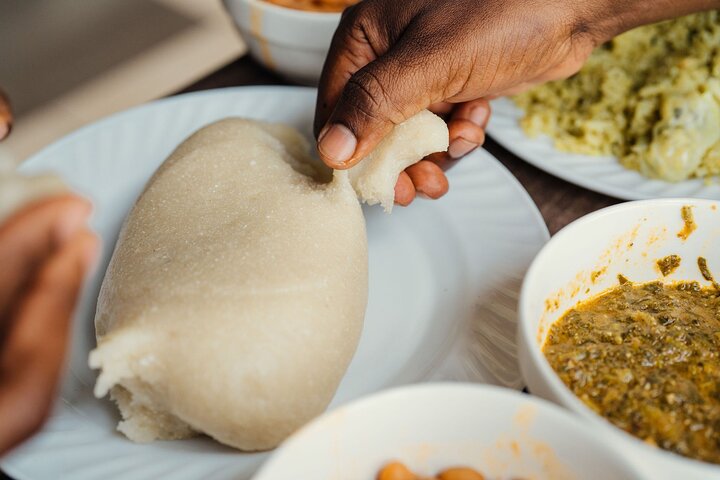
A traditional meal often centres on a starch and a stew. Plantains, called ibitoke when cooked, are steamed, boiled or fried, and cassava and sweet potatoes appear in many forms. Beans are a protein staple, and isombe is a dish of pounded cassava leaves cooked with aubergine and sometimes fish. Ugali, a stiff maize or cassava porridge, is served with stews and sauces. Many restaurants offer a lunch buffet, called a mixed plate, where you pick small portions of several dishes, which is the best way to try the range. Vegetarian travellers have an easy time, though it is worth saying so clearly.
Brochettes and sambaza
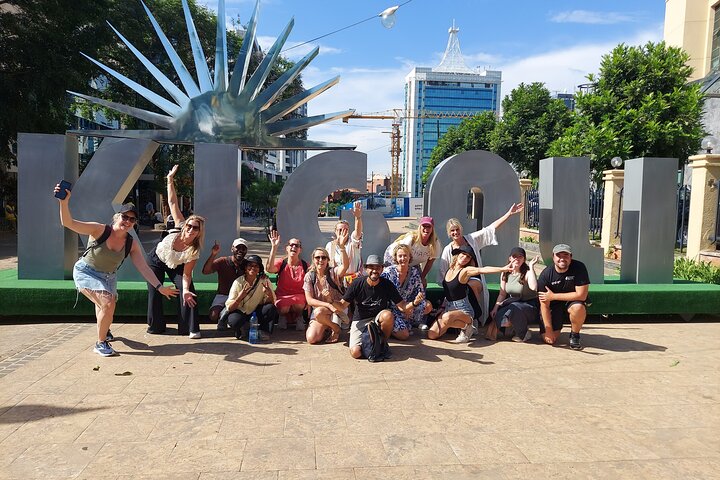
The great street-food habit of Rwanda is the brochette, a skewer of grilled goat, beef or fish, often served with roasted plantain or chips and a spicy pepper sauce. Brochettes are cooked over charcoal at roadside grills and in local bars, and are the standard accompaniment to a cold beer in the evening. Sambaza, tiny fried fish from the lakes, are eaten whole like a bar snack. Both appear on the Nyamirambo walking food tour, which is the easiest way to try them with a guide who explains the dishes and the neighbourhood.
Coffee and tea
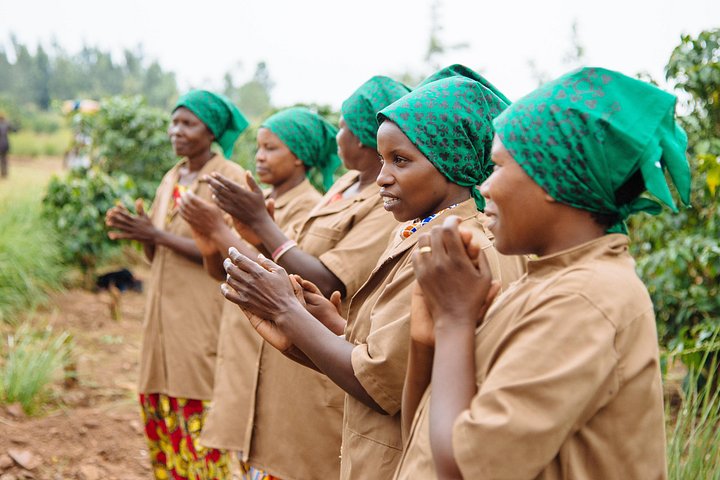
Rwanda's coffee is the real star. Grown by smallholders on steep hillsides at altitude, it tends to be bright, sweet and fruity, and Kigali's cafés serve it well. Look for places that roast locally, and ask for a filter or pour-over to taste the character. If you want to see how it is made, join a coffee farm trek, where you can walk the plots, learn about picking and processing and taste coffee prepared on site. Rwandan tea, grown in the hills of the west and south, is also good, and many cafés serve it with milk and spices.
Drinks
The two main local lagers are Primus and Mützig, sold everywhere, and Skol is also common. A traditional banana beer, urwagwa, is made in homes and is an acquired taste. A popular soft drink is a sweet, ginger-heavy tea known as African tea, and fresh juices are widely available. Bottled water is cheap and sensible for visitors. If you drink alcohol, note that bars close at different times depending on the neighbourhood and the day, and that many places go quiet on the last Saturday morning of the month for the national community work day.
Where to eat
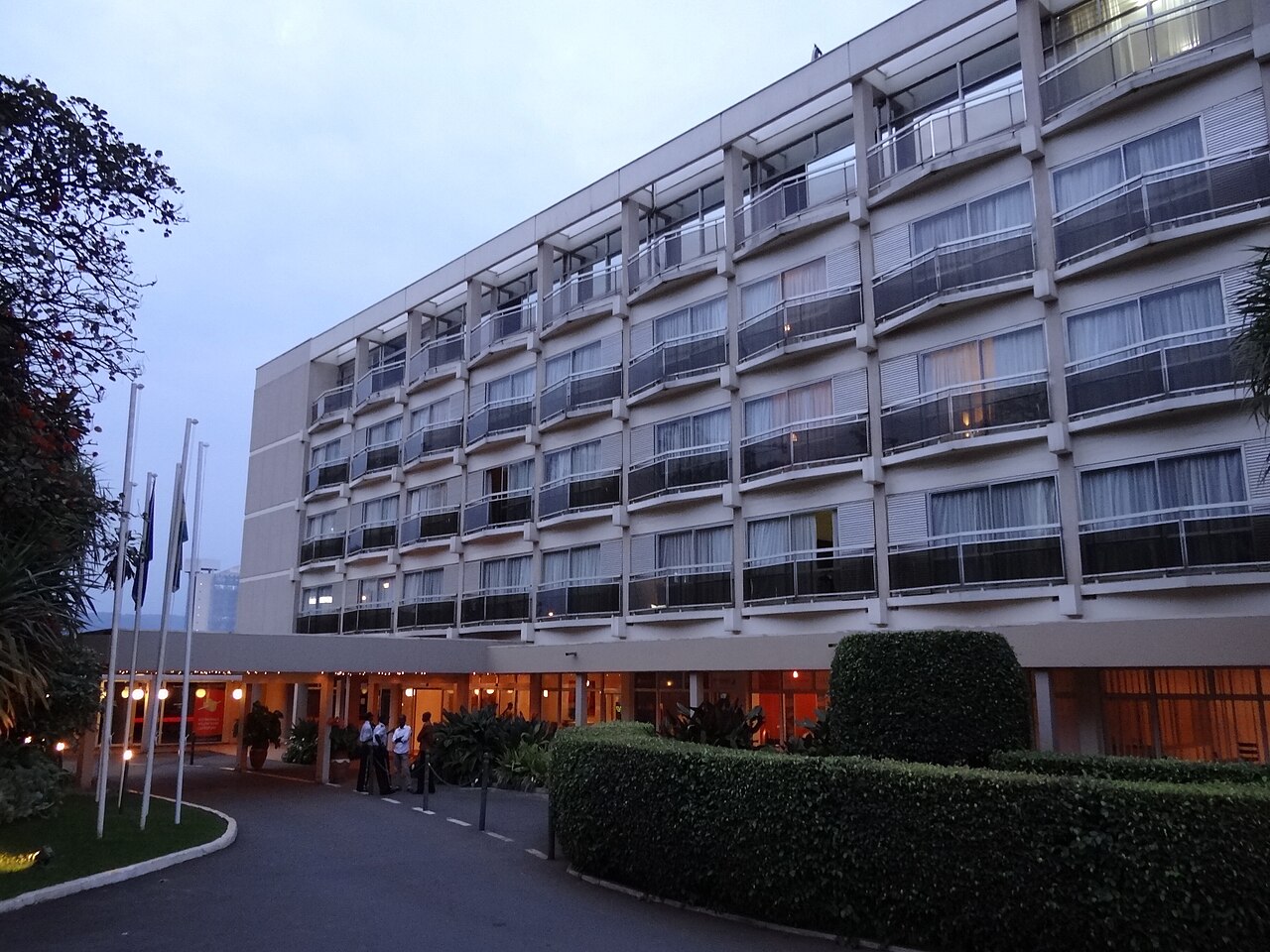
Hotels are a reliable starting point. Heaven, in Kiyovu, is known for a restaurant that uses local farm produce and a garden, and it is a destination in its own right. The Hôtel des Mille Collines has terrace and poolside dining and a cocktail bar with music on some evenings, and the Marriott, the Serena and the Radisson Blu all have restaurants that suit a business dinner or a hotel night in. For local food at local prices, head to Nyamirambo, where small restaurants and street grills line the main roads, or ask your hotel for a recommendation for a lunch buffet.
Eating by the day
A good pattern is a strong coffee and a light breakfast of bread, eggs or fruit, a mixed-plate lunch of local dishes at a simple restaurant, and an evening of brochettes and a cold beer at a grill or on the terrace of a hotel. On a tour day, ask your guide to stop for lunch at a place with high turnover, and carry fruit or nuts for the road, because parks and highways have few choices.
Tips for eating well
Eat early if you are heading to the parks, since breakfast starts early and kitchens close early. Carry small notes, because many local places do not take cards. Stick to bottled or filtered water, and choose busy places with high turnover when eating street food. If you have dietary needs, tell the staff clearly, and do not be afraid to ask about ingredients. Finally, leave a little room for coffee at the end of the meal, because in Rwanda it is rarely an afterthought.