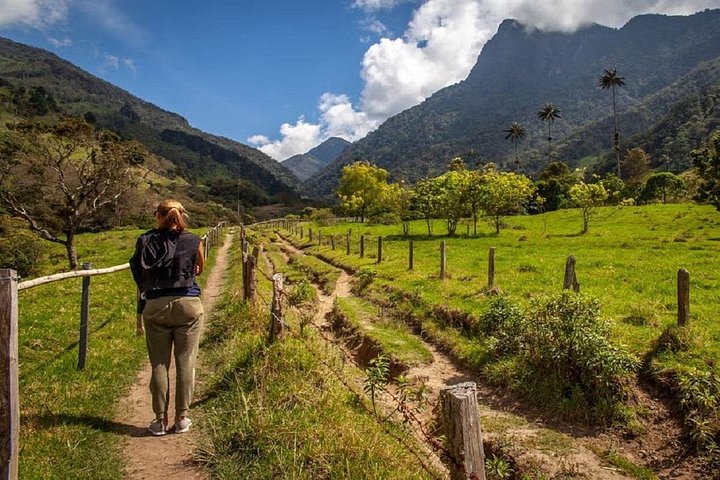
Salento has a mild mountain climate with no true winter, which means you can visit at any time of the year. The difference lies in rainfall, crowds and prices. Understanding the seasons will help you plan the Cocora Valley hike, which is the activity most affected by weather. This guide explains what to expect throughout the year.
Temperature
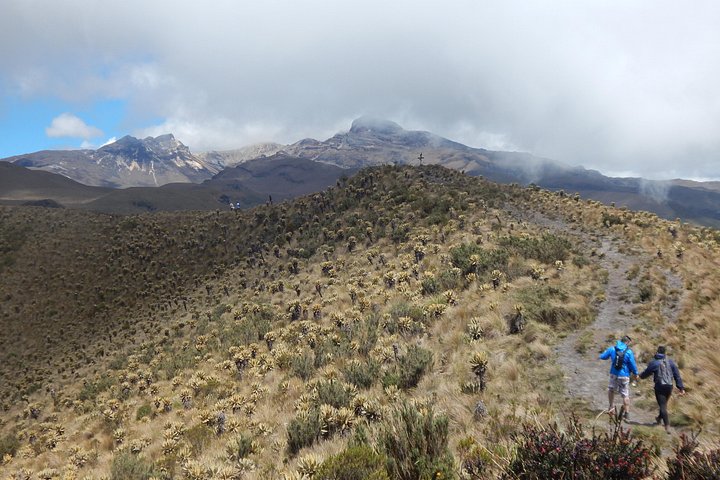
At around two thousand meters, Salento is comfortably mild. Days are usually warm enough for light clothing, and evenings are cool, so pack a sweater. The Cocora Valley is higher and cooler, and the high paramo of Los Nevados can be cold and windy. Lower valleys, such as those with hot springs or cacao farms, are warmer.
Dry and rainy seasons
The region generally has two drier periods, roughly December to March and June to August, and two wetter periods, roughly April to May and September to November. These patterns are not strict, and showers can fall in any month. Mornings are often clearer, with cloud and rain building in the afternoon, so plan outdoor activities early regardless of season.
Best months for hiking
The drier months offer clearer skies and firmer trails, and the views of the palms and peaks are best. In the wetter months, the valley is greener and quieter, but trails are muddier and clouds can hide the views. Waterproof shoes and a rain jacket make wet-season hiking pleasant. Guides know when conditions are risky and will adjust the route.
Holidays and crowds
Colombian holidays bring crowds. The busiest periods are Christmas and New Year, Holy Week and the long weekends throughout the year, when families visit from the cities. Prices rise and accommodation fills quickly. Weekdays outside holidays are quieter and more relaxed. If you can choose, aim for a weekday in the drier months for the best balance.
Coffee harvest
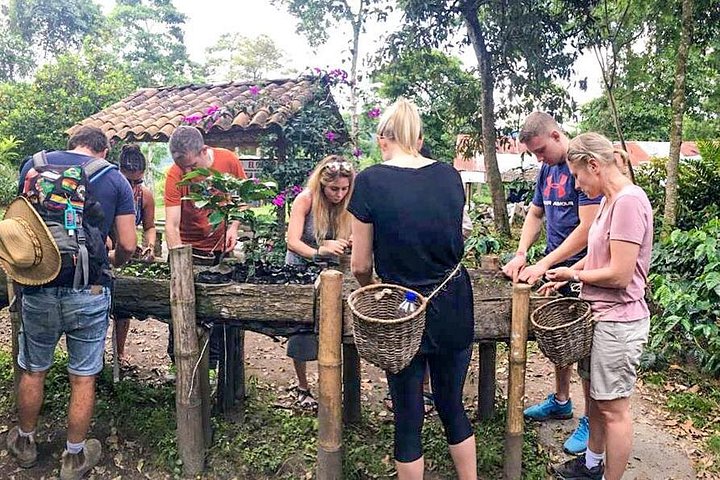
Coffee in the region has a main harvest and a smaller one, and the timing varies by farm and altitude. Visiting during harvest lets you see picking in action, but farm tours run all year and are interesting at any time. Ask your guide about the current state of the plantation.
Other activities
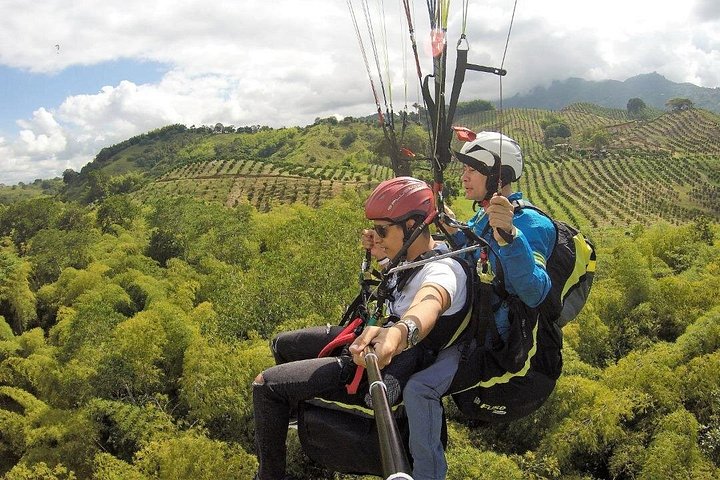
Paragliding depends on wind and weather and is best in clear conditions. Hot springs are enjoyable all year, and cool rain adds to the experience. Birdwatching is rewarding throughout the year, with different species in different seasons. Waterfalls are most impressive after rain. Theme parks have set opening days, so check before you go.
Month-by-month feel
January and February are popular and drier, with festive crowds early in the year. March and April begin to turn wetter, with greener valleys. May is often rainy, with fewer visitors. June to August brings a second drier spell and school-holiday travelers. September to November sees more rain, quiet trails and lower prices. December returns to festive crowds and bright days. These patterns are guides only, and a flexible plan is better than a fixed one.
What to pack
A rain jacket, a warm layer, waterproof shoes, sun protection and a reusable water bottle are useful in every season. In the wet months, add a small dry bag for your phone, and quick-drying clothes. In the dry months, add a hat and extra sunscreen, because the sun at altitude is strong.
Lower-demand travel
If you prefer quiet, aim for a weekday in a shoulder month. Farms, hot springs and guesthouses are welcoming year round, and you may enjoy more attention from guides and hosts.
Final advice
If you can pick only one thing to plan around, make it the Cocora Valley and give yourself two possible mornings for it. That buffer turns a risky outing into a reliable one. Everything else in the region works in almost any weather, from coffee farms to hot springs, so the rest of your plans can stay flexible. Check forecasts the evening before, but remember that mountain weather forecasts are rough guides, and local guides often judge the sky better than an app.
Planning tips
Pack layers and rain gear whatever the season. Book tours early for holidays. Keep your schedule flexible, with a coffee farm or museum as a rainy-day plan. Start early for the Cocora Valley, and keep the afternoon light. Our itinerary guide shows how to arrange three days with a built-in fallback, and our where-to-stay guide lists places to base yourself.