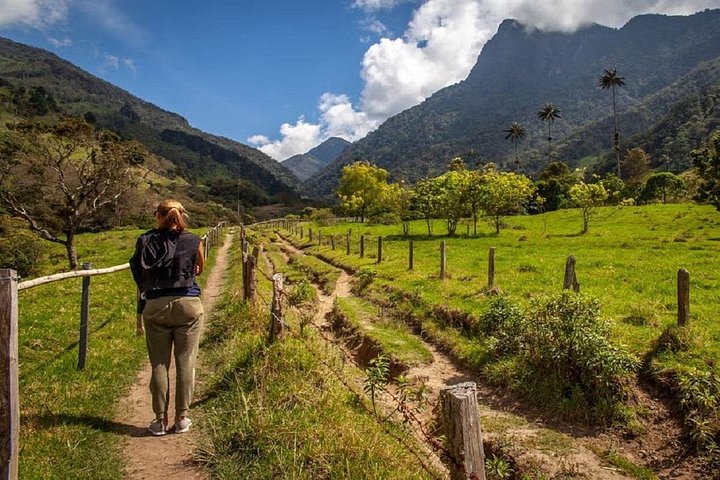
Salento is a small, colorful town in the Quindío department of Colombia's coffee region, known in Spanish as the Eje Cafetero. It sits in the central Andes, a few hours from Bogotá, Medellín and Cali by air and road, and it has become one of the most visited small towns in the country. The reasons are easy to understand: tall wax palms in the nearby Cocora Valley, farms where you can follow coffee from bush to cup, balconied houses painted in bright colors and a relaxed mountain climate. This guide covers the basics so that your first visit goes smoothly.
Where it is and how to get there
The nearest major airports are in Pereira and Armenia, each roughly an hour from Salento by road. Many travelers also arrive by bus from Medellín, Bogotá or Cali. From Pereira or Armenia, buses and private transfers reach Salento, and the final stretch winds through coffee hills. Plan to arrive in daylight if you can. If you land late, a pre-booked transfer is simpler than looking for a bus, and a night in Pereira is a sensible alternative.
What to see in town
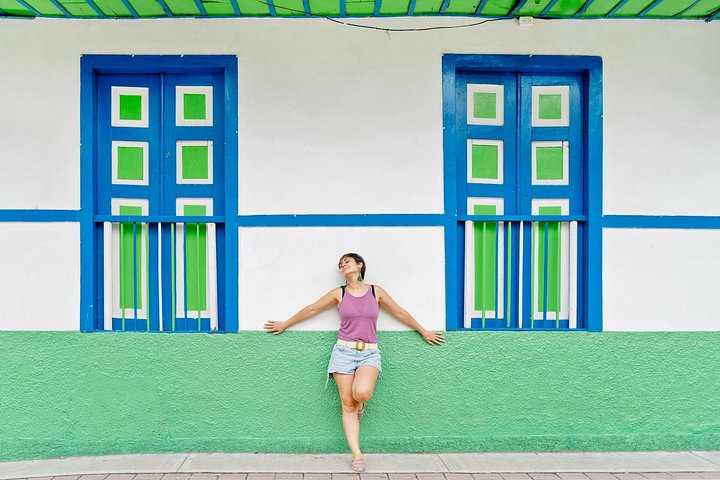
The heart of Salento is the main plaza, lined with cafes and craft shops, and Calle Real, a pedestrian street of balconies and bright doors. At the top of a staircase, a mirador overlooks the hills and the valley. Salento is compact, so a leisurely wander takes only a couple of hours, and the best way to see it is slowly, with a coffee in hand. A guided walk adds history and context, and we describe a good one in our walking and coffee tour entry.
The Cocora Valley
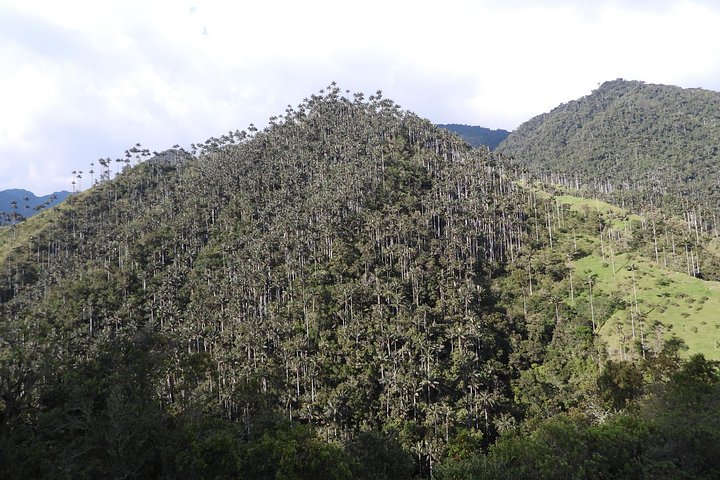
The wax palm valley is the main reason most people come. Willys jeeps depart from the plaza in the morning, and the ride takes about half an hour. The classic loop passes through forest and river bridges to a high viewpoint before returning among the palms. A guided hike with lunch is the simplest option, and quieter alternatives exist, including the La Carbonera reserve. Whatever you choose, start early, because clouds and rain often arrive in the afternoon.
Coffee
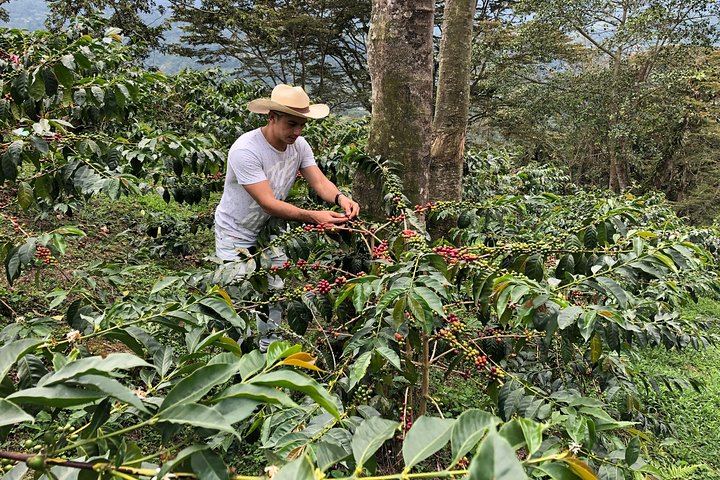
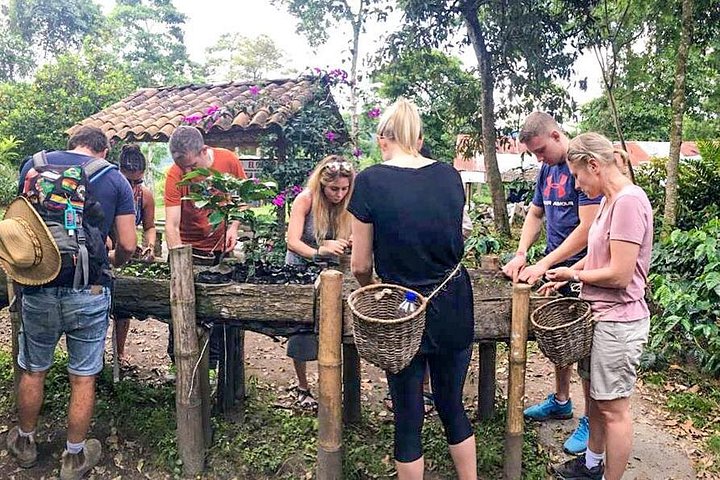
The region's coffee landscape was recognized by UNESCO in 2011, and a farm visit is the best way to understand why. Tours show the bush, picking, processing, roasting and tasting. Choose a small farm for a personal feel or a hacienda for heritage and polish. We compare options in our coffee entries, and our eating and drinking guide explains how to continue the coffee story in town.
Beyond Salento
Filandia, a nearby hilltop town, is a quieter alternative with a lookout tower and basket shops. Santa Rosa de Cabal has hot springs, Pereira has a lively city center and a cable car, and the family parks Parque del Café and PANACA suit children. Adventure seekers can try paragliding, while hikers can go into the high paramo of Los Nevados National Park. Our day trips guide shows how to arrange them.
Practical tips
The altitude is moderate, around two thousand meters in town, and higher in the valley, so take it easy on the first day. Evenings are cool and rain is frequent, so pack a jacket and waterproof shoes. Carry some cash, since small shops and farms may not take cards. Tipping guides is customary and appreciated. Book popular tours ahead for holidays and weekends, when Colombian families fill the town. Tap water rules vary, so ask your host. Spanish is the main language, though many tour guides speak English.
Safety and respect
The coffee region is generally relaxed and welcoming, and normal travel precautions apply. Keep valuables out of sight, use licensed transport and follow local advice about areas and conditions.
How long to stay
Two nights is the minimum to see the palm valley and the town, three nights allow a farm visit and a relaxed day, and four or five let you add day trips. Split your stay between a town hotel and a farm stay if you can: the town gives you evenings and walkability, and the farm gives you quiet and views. Our where-to-stay guide compares both, and our three-day itinerary shows how to use your time. With a little planning, the coffee region rewards slow travel, good boots and an appetite for coffee.