The coffee region eats well. Its cooking is hearty and rooted in the mountains of Colombia, built around corn, beans, plantain, pork, rice and the trout that swim in the cold streams of the Andes. Add the best coffee in the country and fresh tropical fruit, and you have good reasons to linger over meals. This guide covers what to eat, what to drink and which experiences are worth booking.
Start with coffee
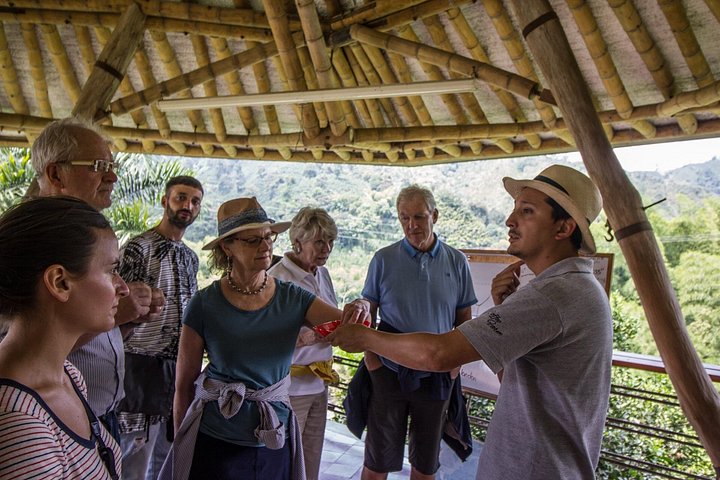
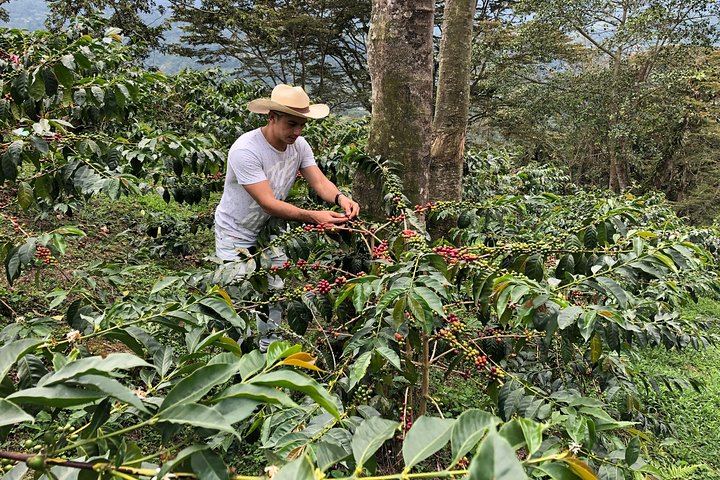
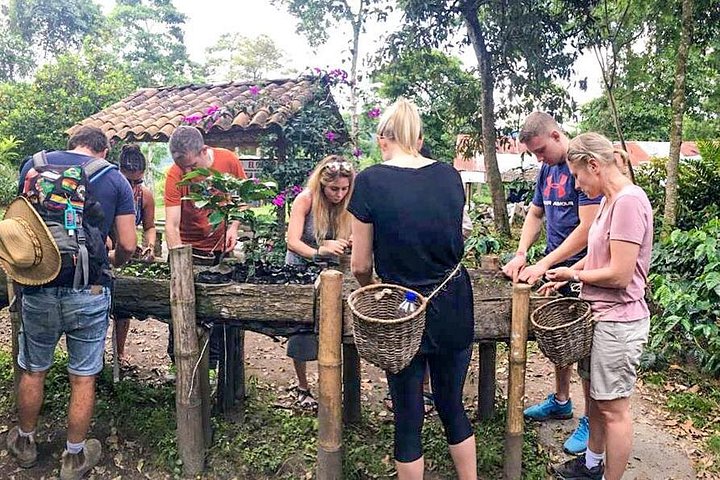
Colombian coffee is grown at altitude and prized for its balance. In Salento and Filandia, many cafes serve filter and espresso drinks made with beans from nearby farms. Ask for a tinto, the traditional small black coffee, or try pour-over and cold brew at specialty cafes. A farm tour teaches you to taste and describe what is in the cup. Buy whole beans to take home, and ask the barista about origin and roast level.
Trout and the regional plate
Trucha, or trout, is the signature dish of Salento. It is often served with garlic sauce or a creamy sauce, accompanied by patacones, crisp fried plantain discs, and salad or rice. Another regional classic is the bandeja paisa, a large platter with beans, rice, pork, sausage, egg, plantain and arepa, shared by many. Sancocho, a hearty soup, is common on weekends. Vegetarian options exist, although traditional menus lean on meat and fish.
Snacks and street food
Look for arepas, empanadas, fried cheese snacks and fresh fruit cups. Ice cream shops along Calle Real are popular after a hike. Bakeries sell pastries that go well with coffee. Try hot chocolate with cheese, a regional custom that surprises many visitors. Pick busy stalls and ask what is freshest.
Fruit and juice
Colombia grows far more fruit than most visitors know. Look for lulo, maracuyá, granadilla, guanábana and tomate de árbol, served as fresh juices. Ask for juices made with water or milk, and mention if you prefer less sugar. Fruit tastings at farms are a pleasant introduction.
Cacao and chocolate
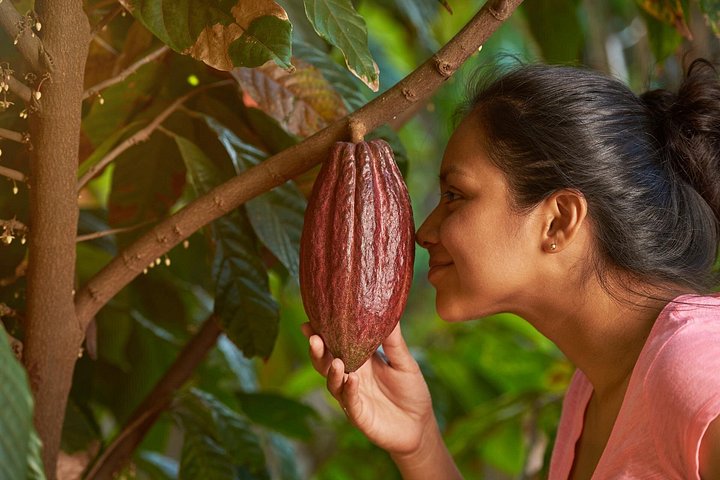
The warm valleys grow cacao, and a farm tour shows how pods become chocolate. It is an excellent complement to a coffee tour, with tasting of pulp, nibs and hot chocolate. Some farms sell bars and nibs.
Drinks
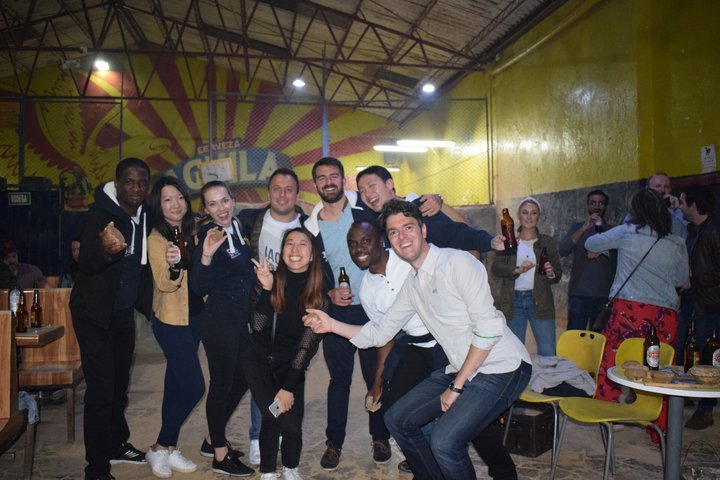
Beyond coffee and juice, try aguardiente, the anise-flavored spirit, and local beer. Tejo, a traditional sport, is played with beer and makes for a lively evening. Always drink responsibly, especially at altitude, where alcohol can feel stronger.
Where to eat
In Salento, restaurants along the main street and around the plaza serve trout and regional plates, while smaller family kitchens offer set lunches at lower prices. In Filandia, cafes with views over the valley are popular for coffee and cake, and in Pereira the range expands to include modern restaurants and international cuisines. Ask your host or guide for a local recommendation, as the best meals are often in unassuming places.
Cooking and learning
Several operators offer cooking classes where you prepare regional dishes such as arepas, ajiaco or fried plantain, and a market visit adds context. A farm lunch is another good option, with ingredients from the garden and a view of the hills. If you like sweets, try local specialties such as arequipe, a caramel spread, and cheese with guava paste.
Dietary needs
Vegetarians can find eggs, cheese, beans, rice and plantain on most menus, and fresh fruit is plentiful. Vegans should plan more carefully, ask about broths and lard, and try specialty cafes. Gluten-free travelers will find that many staples, including arepas and plantain, are corn-based. Write down your restrictions in Spanish to show restaurants.
Seasonal treats
Markets in the region sell fruit that changes through the year, from sweet pineapples and mandarins to passion fruit and mangoes. Ask vendors what is in season, taste before you buy and carry a reusable bag. Fresh cheese, cuajada and honey are common farm products, and weekend markets in small towns are a pleasant way to sample them. Bakeries often sell almojábanas, soft cheese rolls that go perfectly with hot chocolate.
Practical tips
Meals often start with soup or a set lunch, called a menú del día, which is good value. Dinners start early in small towns, and some restaurants close on certain days, so ask your host. Let restaurants know about allergies in advance. Many places accept cash only, so carry some. Tips are appreciated, and a service charge may already be added to the bill. Our first-time guide explains the basics of the region, and our coffee and cacao tours offer hands-on ways to taste the harvest.