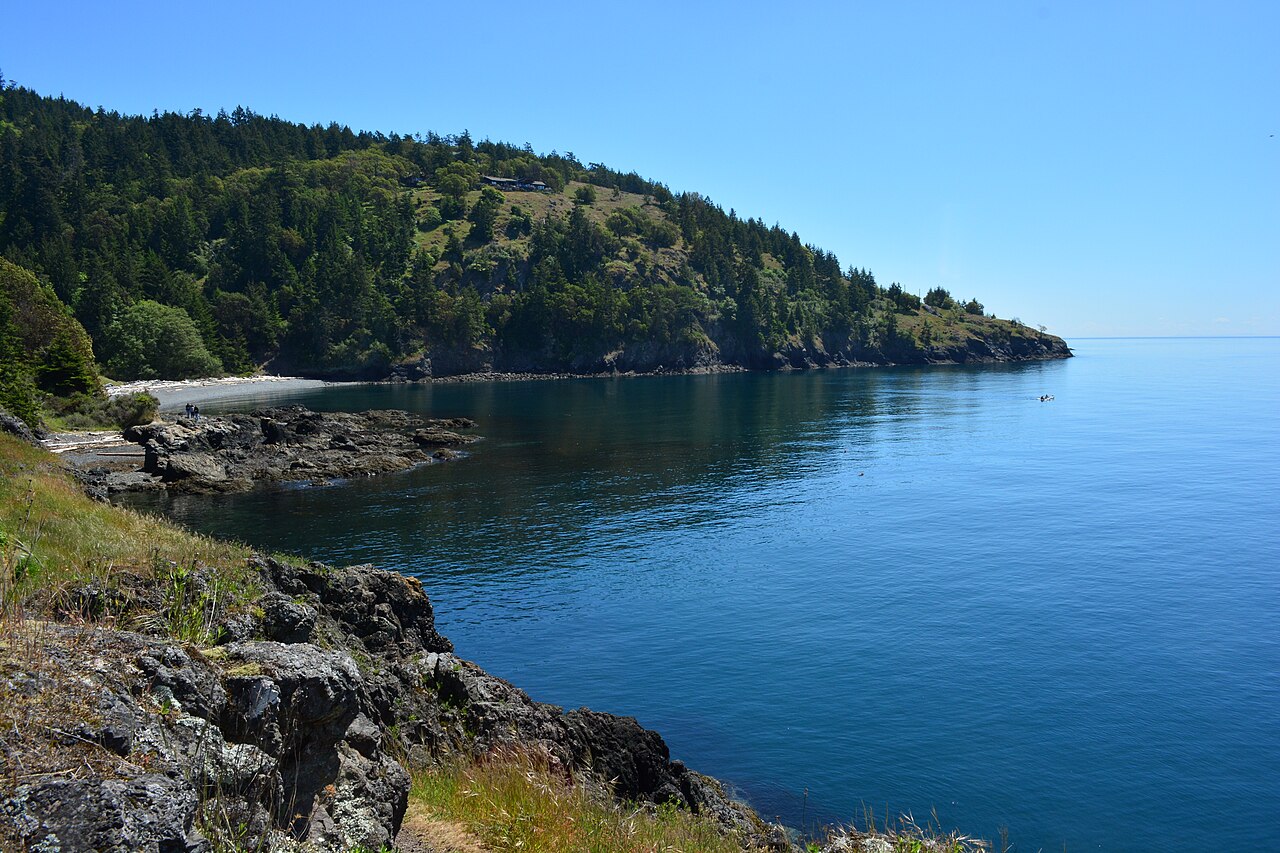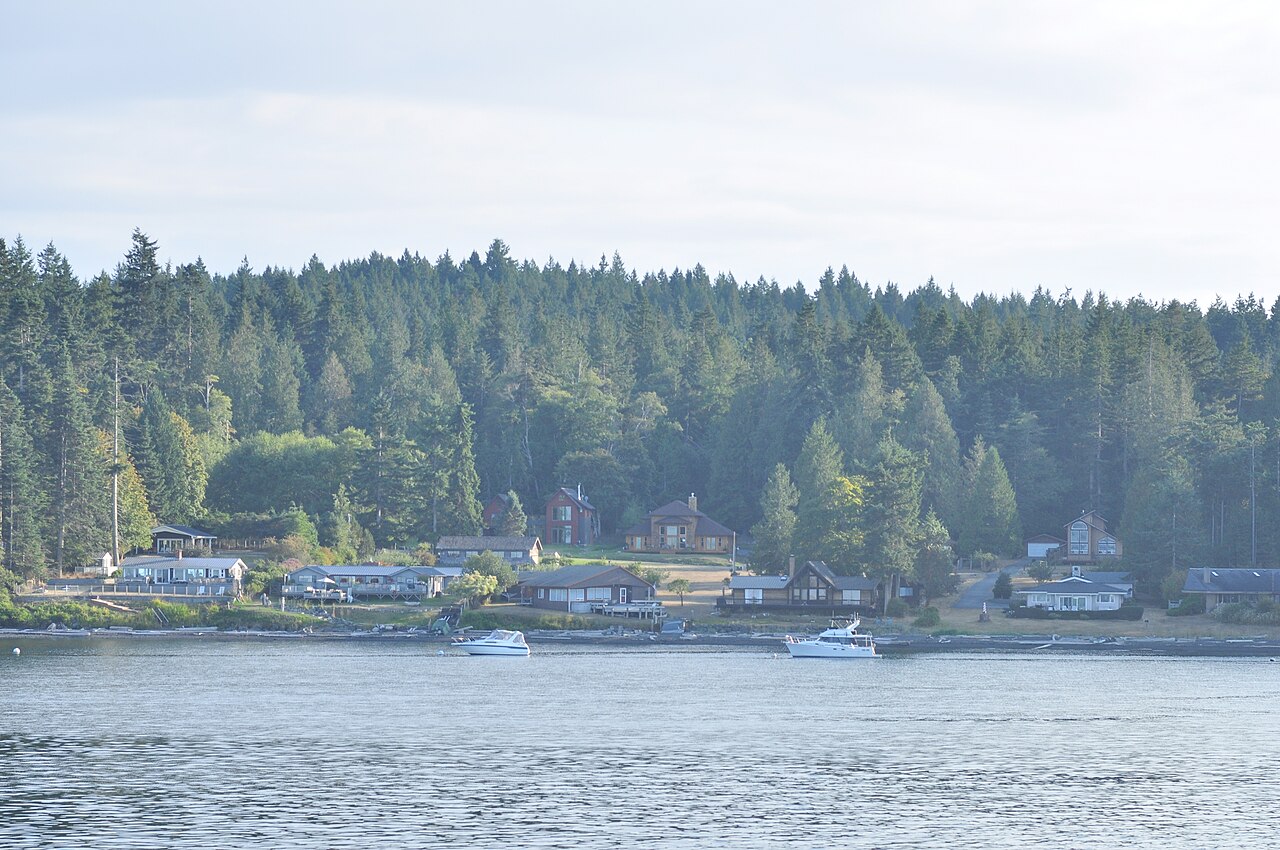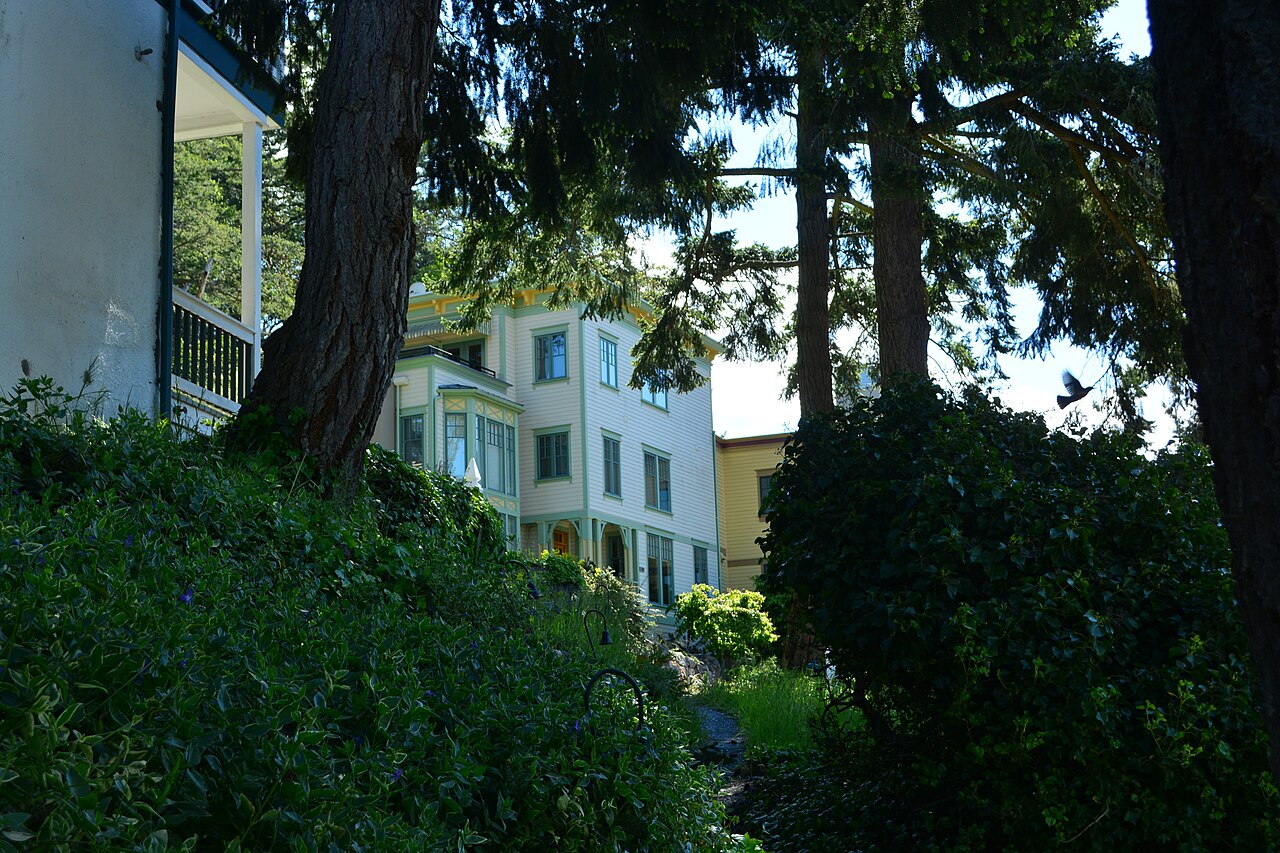
The San Juan Islands are an archipelago in the Salish Sea, off the northwest corner of Washington State, with 172 named islands according to the local tourism bureau. Only four are served by the Washington State Ferries: San Juan, Orcas, Lopez and Shaw. Most visitors spend their time on the first three, which are quite different in character, and a first trip works best when you pick one or two islands rather than trying to see everything. The islands sit in the rain shadow of the Olympic Mountains, so they are drier and sunnier than Seattle, with pleasant summers, mild springs and falls and quiet, often damp winters.
What the islands are known for
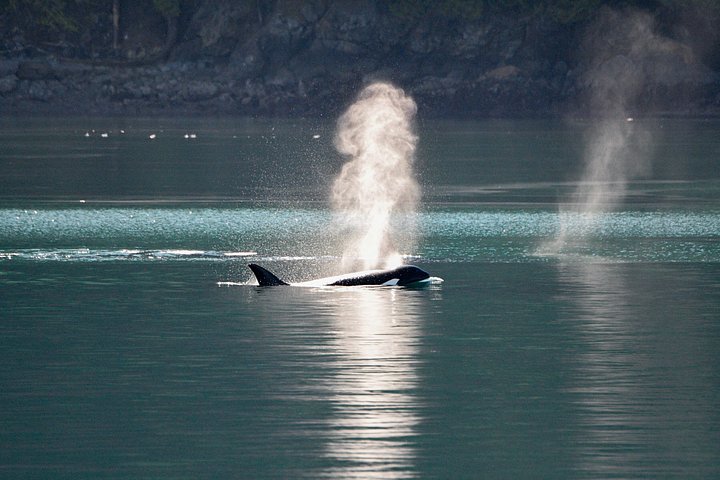
Wildlife is the headline: resident and transient killer whales, humpbacks, harbor seals, sea lions, bald eagles and a wealth of seabirds. The scenery of forested hills, rocky coves and farmland is the second draw, and the third is the slow pace of life, where an afternoon can be spent on a beach, a bicycle or a deck. Do not expect nightlife, big-box stores or fast service; this is a place for unhurried days. Expect higher prices than on the mainland, since nearly everything arrives by ferry or barge.
The three main islands
San Juan Island has the biggest town, Friday Harbor, the ferry landing, the most restaurants and shops, and the best-known attractions: the Whale Museum, Lime Kiln Point State Park, the two units of the national historical park and Roche Harbor. Orcas Island is the largest and hilliest, with Moran State Park and the Mount Constitution viewpoint, the village of Eastsound and a quieter, artsy feel. Lopez Island is flat, farmy and friendly, ideal for cycling and slow exploring. If you only have two or three days, San Juan Island is the easiest base, with Orcas as a second stop if time allows.
Book these things first
The ferry is the bottleneck, so if you are bringing a car, reserve vehicle space as early as the system allows for a summer trip. Lodging is the second constraint, as the number of rooms is limited and the best places fill months ahead for July and August. Whale watching and kayaking tours are the third, especially on weekends. Restaurants in small towns can also fill up, so reserve dinners in advance for peak season.
Do you need a car?
Not necessarily. Foot passengers can arrive by ferry and stay in Friday Harbor, where the harbor, the whale museum, restaurants and tour departures are within walking distance. For the west side of San Juan Island, including Lime Kiln Point and Roche Harbor, a car, a bike, a shuttle or a guided tour is handy. On Orcas and Lopez, a vehicle or bicycle gives more freedom. Rental cars exist on the islands but are limited, so book early if you need one. Many visitors leave the car on the mainland and rely on island taxis and shuttles.
Wildlife expectations
Whale sightings are never guaranteed. Southern Resident killer whales visit the area less reliably than in past decades, and Bigg's killer whales and humpbacks are more often seen. A good trip finds something: seals, porpoises, eagles and spectacular scenery. Go with flexible expectations, choose a reputable operator that follows the Be Whale Wise guidelines and give yourself more than one day if whales are the main goal. A visit to The Whale Museum before your tour helps you understand what you are looking for.
What to pack
Layers are the golden rule: a fleece, a windproof jacket and a rain shell even in summer, plus comfortable walking shoes and sunscreen. Binoculars are valuable, a small daypack is useful and a reusable water bottle helps. For kayaking, quick-dry clothing and water shoes make a difference. Bring cash or cards, but note that connectivity can be patchy in some areas, so download maps and confirmations ahead of time. Pack a paper map or ferry timetable in case your phone loses signal.
A simple plan
For a first visit of three nights, stay in or near Friday Harbor. On the first day, arrive by ferry, wander the harbor and visit The Whale Museum. On the second, take a morning whale watching cruise and spend the afternoon at Lime Kiln Point. On the third, tour English Camp and Roche Harbor, and finish with the sunset ceremony. If you have time, add a day trip to Orcas Island for Mount Constitution. Build in slack for ferry delays and weather, and do not schedule your return too tightly against a flight.
Etiquette and conservation
Visitors are guests in a small community with fragile ecosystems. Keep your distance from wildlife on land and sea, pack out trash, stay on trails and respect private property and fire restrictions in dry months. Drive slowly on narrow roads, watch for cyclists and deer, and be patient with island time. Support local farms, shops and restaurants, and consider traveling in spring or fall to spread the load beyond the peak summer weeks.