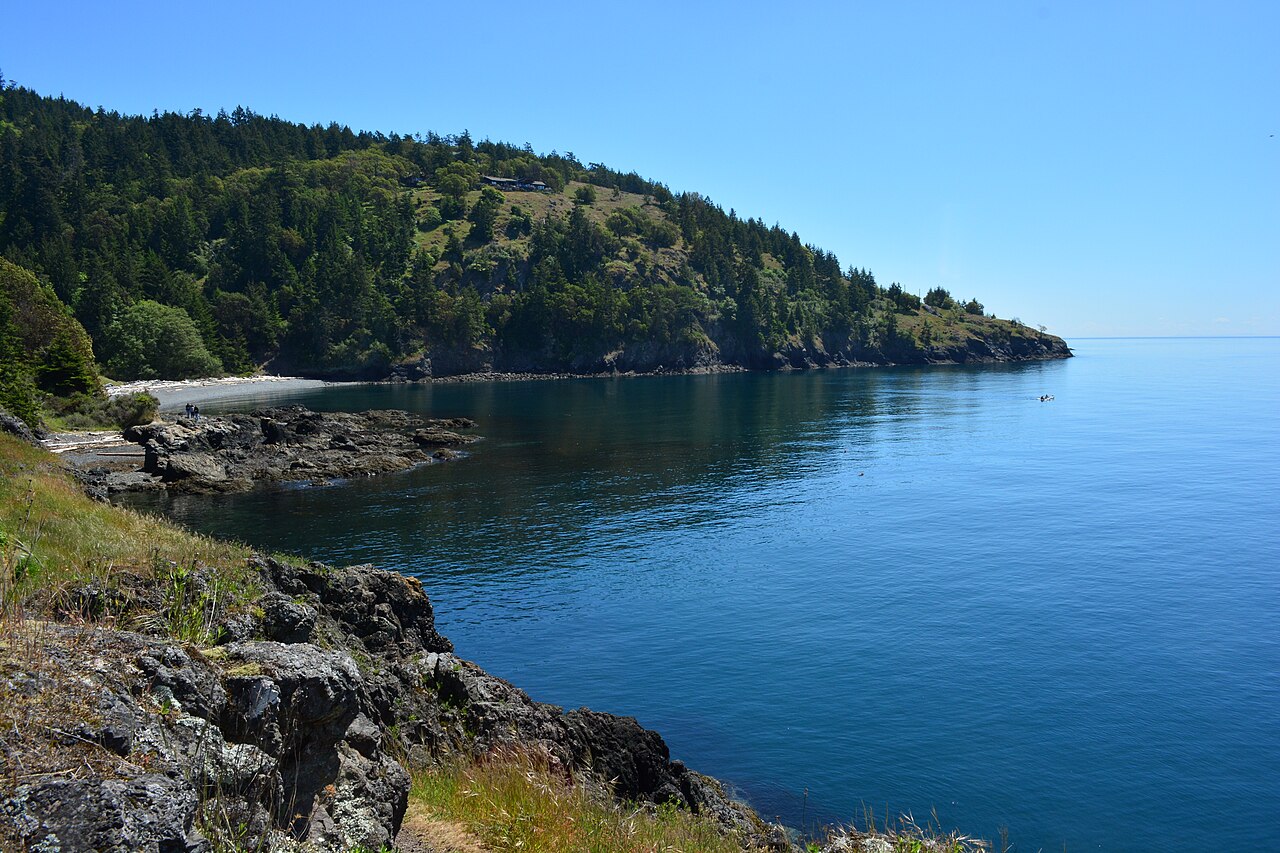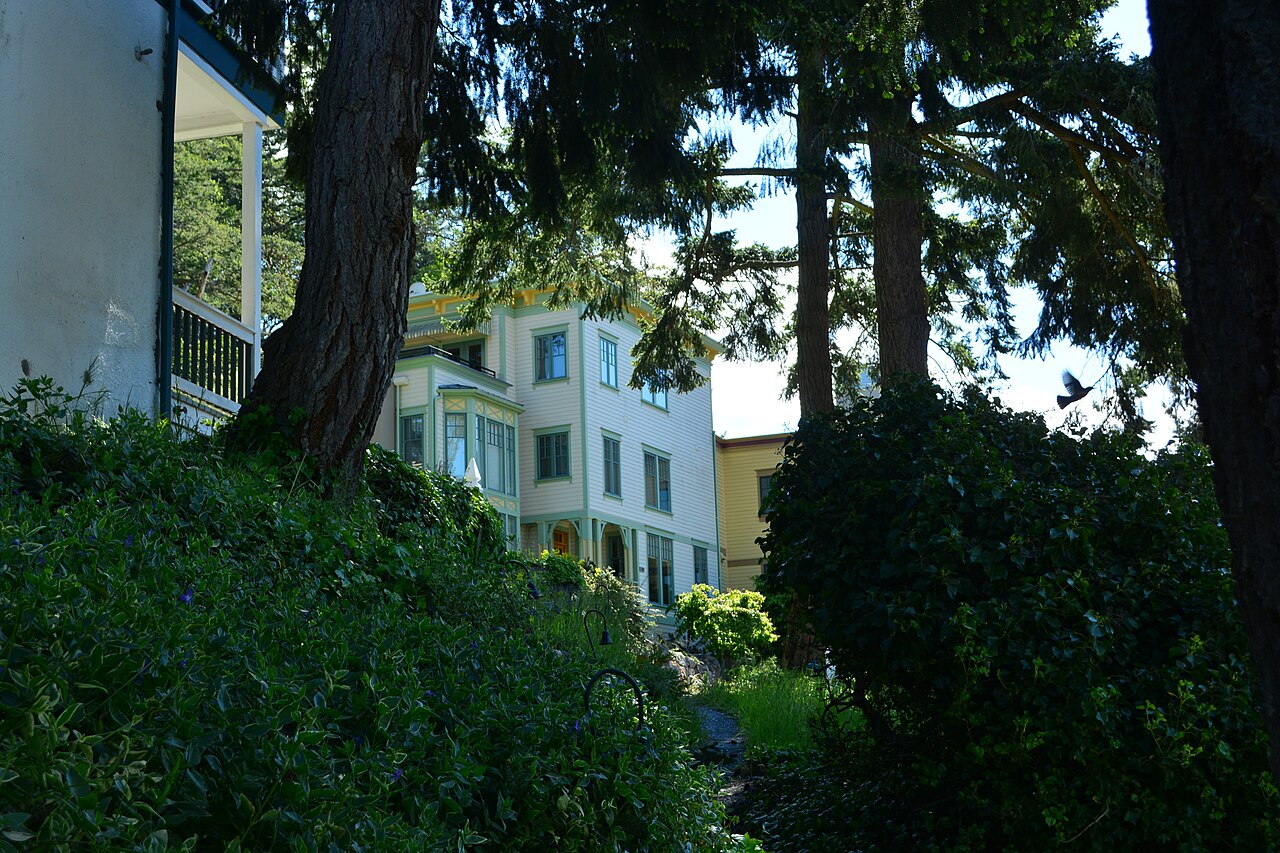
The San Juan Islands are open all year, but the experience changes dramatically with the seasons. Because the islands lie in the Olympic rain shadow, they are drier and sunnier than much of Western Washington, but the weather can still be cool and breezy. Here is how to choose your time.
Summer: peak season
June through August brings the warmest weather, the longest days and the widest range of activities. Whale watching, kayaking, cycling, lavender fields and the sunset ceremony at Roche Harbor are all at their best. Daytime temperatures are pleasant, often in the seventies, and evenings stay light late. The downside is crowds, high prices and tight availability for lodging and ferries. Reserve months ahead, expect traffic at the landings and plan for busy trails and parking at popular sights like Lime Kiln Point.
Spring: blooms and quiet
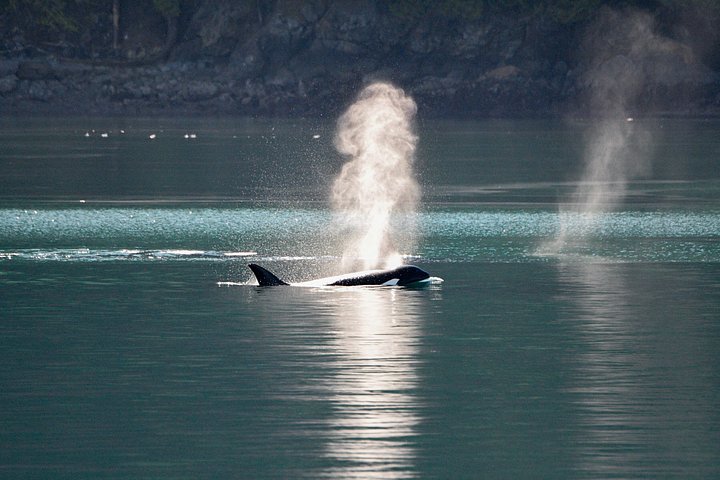
April and May bring wildflowers, green fields, migrating birds and fewer visitors. Whale watching is already productive, with Bigg's killer whales and gray whales in the area, and the first resident orcas may appear. Weather is changeable, with sunshine, showers and wind, so pack layers. Rates are lower than in summer, and many businesses are open but with shorter hours early in the season. It is a good time for cycling and hiking without the heat.
Early fall: the sweet spot
September and early October have warm days, cooler nights, lovely light and thinner crowds. Whale sightings can be excellent, with humpbacks and transient orcas, and the sea is calm on many days. Bioluminescence is more likely on dark nights in late summer and early fall, making night kayak tours a special option. Some seasonal businesses begin to cut hours after Labor Day, so check ahead. If you can choose, this is the time many locals recommend.
Late fall and winter: quiet and moody
From November to March, the islands are calm, and some restaurants, shops and tours close or reduce hours. Ferries run on a winter schedule with fewer sailings. The weather is wetter, windier and cooler, but storm watching, cozy inns and empty trails have their own appeal. Wildlife is still present, including eagles, seals, sea lions and, with luck, orcas or humpbacks, though boat tours are limited. Rates are the lowest of the year, and the islands feel wonderfully private.
For whales
Late spring through early fall gives the best odds, with the peak for the Southern Residents typically in summer. Do not rely on a single day: allow multiple days and combine a boat trip with shore-based viewing.
For lavender and gardens
Late June and July are typically the best months, depending on weather. Check the farm for bloom updates and festival timing. Spring is good for wildflowers and gardens.
For cycling and hiking
Spring and fall offer comfortable temperatures, while summer is lovely but busier. Lopez is best for gentle cycling, and Orcas for challenging climbs and mountain views. Winter hiking is possible but trails can be muddy and the days short.
For budgets
Shoulder seasons offer the best value, with lower rates for rooms and less competition for ferries. Consider midweek stays, which are cheaper and quieter than weekends. Kitchen-equipped suites can reduce dining costs. Foot-passenger travel saves vehicle fares and reservation headaches.
Packing by season
Layers are always essential. Summer needs sunscreen, a hat and a light jacket for evenings. Spring and fall need rain gear and warm layers. Winter requires waterproof outerwear, sturdy shoes and flexibility. Whatever the month, carry a windbreaker for time on the water.
Events and rhythms
The islands have a calendar of small-town events, including farmers markets, art walks, music evenings and the summer lavender festival. Many take place from late spring to early fall, and some have changed over the years, so check the visitors bureau and venue sites for current dates. Holiday weekends, especially the Fourth of July and Labor Day, are the busiest of all, with full ferries and sold-out lodging. If you can avoid them, you will find quieter roads and easier reservations.
Daylight and tides
Summer sunsets come late, around nine in the evening, which gives long days for activities but means dinner can run late. In winter the sun sets early in the afternoon, so plan daylight activities accordingly. Tides matter for tidepooling, kayaking and some beach walks, and a tide table is a useful companion year-round.