The San Juan Islands are among the best places in North America to see killer whales, but a good whale watching trip depends on understanding the animals and the season. This guide explains what you might see, when to go and how to choose between boat tours and shore-based viewing.
Which whales?
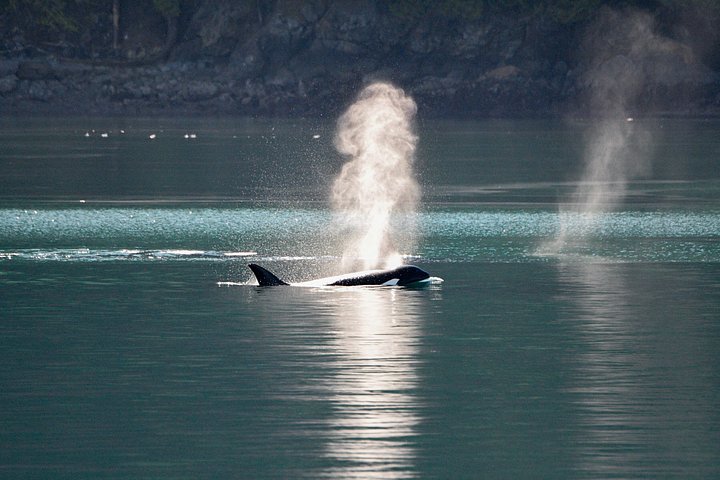
Three kinds of killer whales use these waters. The Southern Residents, a fish-eating population divided into three pods, are the famous ones. Their numbers have declined and they spend less time in the islands than in the past, but they are still sometimes seen in summer chasing salmon. Bigg's killer whales, also called transients, eat marine mammals such as seals and porpoises and are now the most commonly seen orcas in the area. Northern Residents occasionally pass through. Besides orcas, humpback whales have returned in impressive numbers, and minke whales, gray whales and Dall's porpoises are also possible.
When to go
The main season runs from May through September, with June to August the most popular. Salmon runs in summer draw the resident whales to the west side of San Juan Island, but Bigg's whales can appear at any time of year. Spring brings gray whales passing through and mild weather with fewer crowds. Autumn offers humpbacks and fewer visitors. Winter trips run less frequently and the weather is rougher, but sightings are still possible. No month guarantees whales, so plan more than one chance.
Boat tours
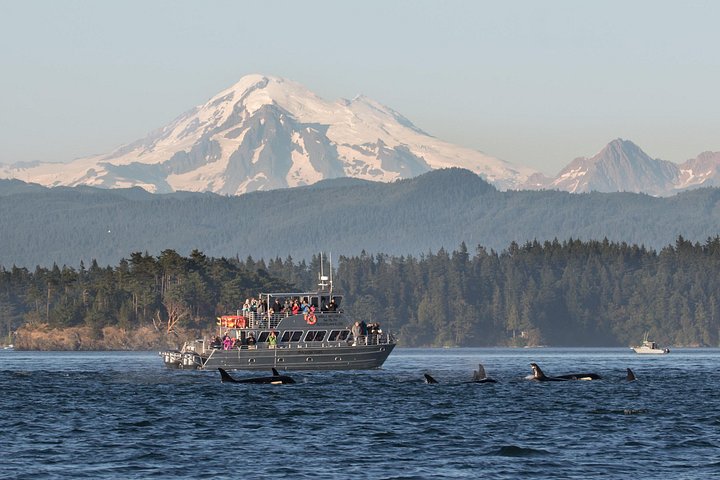
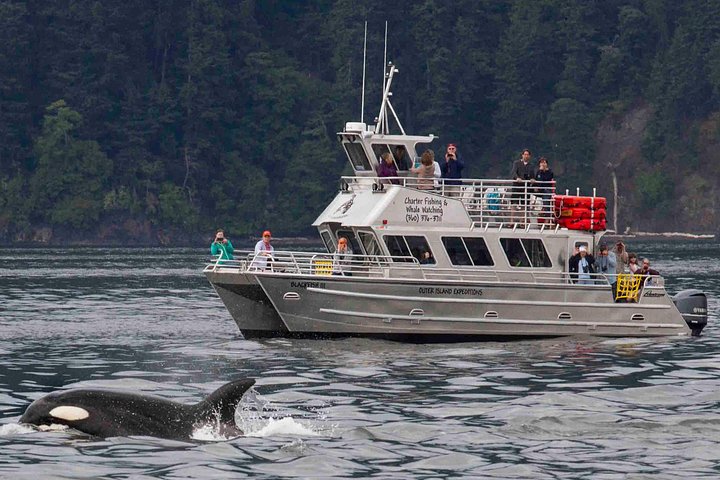
Tours run from Friday Harbor, Orcas Island and Anacortes, among other places. Departing from Friday Harbor puts you close to the west side of San Juan Island, and Orcas departures offer a quieter setting. Anacortes departures spend more time crossing open water but avoid ferry queues. Tours typically last three to five hours and include a naturalist. Compare vessel size, cabin cover, restroom access, group size and policies. Ask what happens if no whales are found: some companies offer a repeat trip or partial refund. Choose operators that follow the Be Whale Wise guidelines, keeping a respectful distance and not chasing animals.
Shore-based viewing
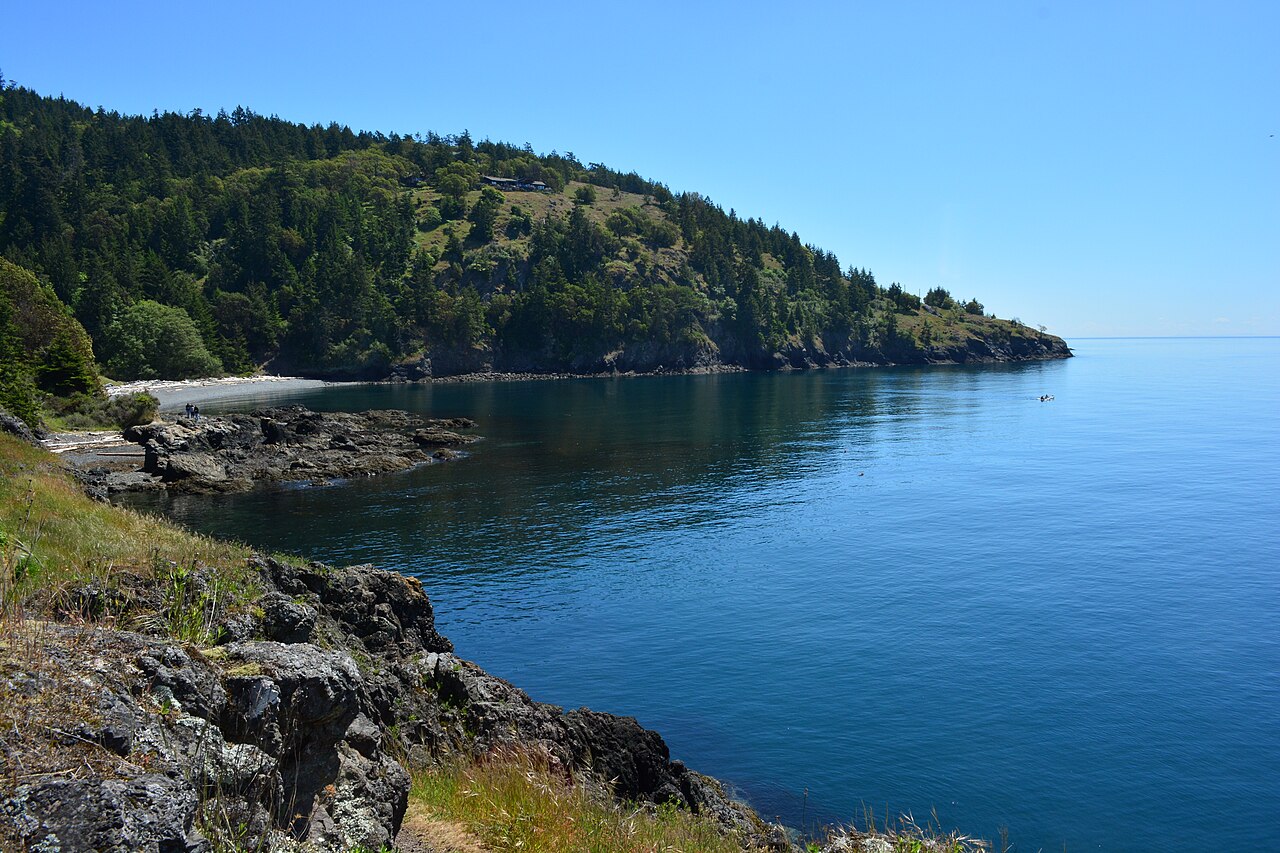
Lime Kiln Point State Park on San Juan Island is one of the best places in the world to watch orcas from land. The headland juts into Haro Strait, and the whales pass close to shore when following salmon. It is free, though parking requires a pass. Bring binoculars, patience and warm layers. Other good spots include American Camp's Cattle Point area and parts of Lopez, such as Shark Reef Sanctuary, where seals and sea lions are the main attraction.
Learn before you go
The Whale Museum in Friday Harbor gives context, from skeletons to the sound of orca calls. Understanding family structures, hunting methods and conservation threats makes the experience richer. Ask staff for recent sighting information. If you are traveling with children, the museum helps them know what to look for.
Responsible watching
Boats and kayaks should stay well back from whales, avoid approaching head-on, keep speeds low and never get between a mother and calf. Regulations require minimum distances, and violations can lead to fines. As a visitor, you can help by choosing responsible operators, keeping your voice down on shore and not using drones near wildlife. Reduced noise helps whales hunt and communicate.
What to bring
Warm layers, a windproof jacket, a hat, sunglasses, binoculars and a camera with zoom. Seasickness medication if you are prone to it, and snacks and water. Keep electronics in a dry bag. On shore, bring a folding stool or blanket to sit comfortably through a long wait.
Managing expectations
Whales do not follow schedules. Some days bring spectacular encounters, and others bring only seals and scenery. The best approach is to enjoy the whole experience: the ride, the wildlife, the landscape. Combine a boat trip with shore-based viewing at Lime Kiln Point for two chances, and allow a flexible day in case of weather.
Questions to ask before booking
How many passengers does the boat carry, and is there a naturalist on board? How long is the actual wildlife time compared with travel time? What is the policy if no whales are seen? Is the cabin heated, and are there restrooms? Do they follow Be Whale Wise distances? Can you bring food? Clear answers are a sign of a well-run operation. Also check the departure point carefully, since products with similar names leave from different harbors, and arrive early to check in.