The hills around Sa Pa are home to several communities, among them the Black Hmong, the Red Dao, the Giay and the Flower Hmong, each with its own language, dress, festivals and farming rhythm. Culture is the reason many people come, and it is also the part of a trip that is easiest to get wrong. This guide sets out the best ways to spend time on it, from a half-day walk to a hands-on workshop, and how to behave so that your presence helps and does not intrude.Start with context. A good first step is a half-day cultural outing that combines the stone church on the square, the local museum and the village of Cat Cat. The museum is a small introduction, but it gives you names, clothing styles and history that make the villages easier to read. Cat Cat is the most accessible village, reached by a stepped path from town, and it shows weaving, indigo cloth and waterfalls in a short visit. It is busy, so it is best treated as an introduction and not as the whole story.Go further on foot. The Lao Chai and Ta Van trek and the Sin Chai Hmong culture walk take you deeper into working villages, with a guide who can explain what you see. For quieter paths, the Hau Thao, Hang Da and Sa Seng trek and the Suoi Ho, Ma Tra and Ta Phin trail visit places that most groups miss. Ta Phin is the best-known Red Dao village, and its herbal baths and embroidered headdresses give a different picture from the Hmong villages. Walking with a local guide is not only better for your understanding but also puts money directly into the community.Stay the night. A homestay trek is the closest most visitors get to ordinary life. You sleep in a family house, eat what the household eats, and see the evening routine, which is often more revealing than anything seen in daylight. Accommodation is simple, with shared bathrooms and mattresses on the floor in many cases, so arrive with realistic expectations and a flexible attitude. The conversations around the meal are the highlight, and a good guide will translate and make introductions.Make something. Two activities in town give a hands-on view of local skills. The Hmong batik and indigo workshop teaches the wax-resist method used to decorate hemp cloth, and you leave with a piece you made yourself. The Hmong family cooking class takes place in a home kitchen and shows how mountain ingredients are turned into a meal. Both are relaxed, suitable for rainy days and good for travellers who want a break from walking. They also give you the knowledge to shop more wisely, because you will start to recognise handmade work.See the markets. Markets are the social centre of the district. Can Cau holds its market on Saturday and is smaller and more local, while Bac Ha on Sunday is larger, busier and much more visited. Both are full-day trips by road, because they are a long way from Sa Pa, and both are best seen early in the morning. Go with small notes, a camera you use with care and a willingness to be a quiet observer. Livestock trading may be part of the scene, and the rhythm of the day is set by the locals, not by visitors.Respect the people. Villages are not museums. Ask before photographing anyone, and accept a refusal gracefully. Avoid giving sweets, pens or money to children, which encourages begging and disrupts school and family life; if you wish to help, buy a craft from the maker or leave a donation through your guide to a recognised local project. Dress modestly in villages, with covered shoulders and knees, and keep your voice low in homes. Do not enter houses uninvited, and do not walk across fields without permission.Buy well. Textiles, embroidery, silver jewellery and woven bags are the best souvenirs, and the most meaningful ones are made by hand in the area. Ask where something was made and by whom, look at the stitching, and be aware that some market goods are machine-made. Bargain politely, but remember that the price difference is small for you and large for the seller. Cash in small notes makes transactions easier.Time your visit. Festivals and market days can add colour to a trip, but dates vary and are often set locally, so ask your guide or hotel for the current calendar when you arrive. Weather also shapes the experience: the terraces are golden in early autumn, green in summer and bare after the harvest, while mist can add atmosphere to any season. Combine a cultural day with a lighter day, such as the cable car or a spa, so that you do not tire of walking.Choose responsibly. Prefer guides from local communities, small groups and operators who explain where your money goes. Ask how homestay families are chosen and paid, and whether the village receives a share of the income. A thoughtful visit leaves people glad that you came, and it leaves you with a clearer, kinder picture of the people who live in these hills.
Sa Pa guide
Sa Pa Culture Guide
How to experience the culture of the Sa Pa hills well: Hmong and Dao villages, Saturday and Sunday markets, batik and cooking classes, and the etiquette that keeps visits respectful.
Mentioned in this guide
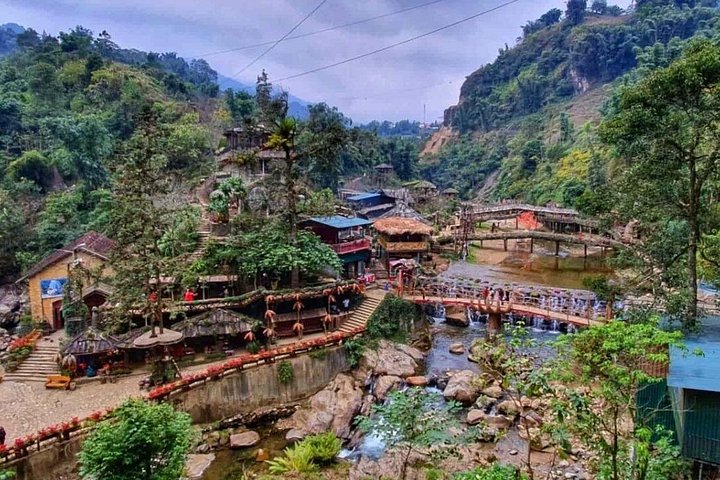
DoCat Cat Village Guided Walk
A half-day walk to a Black Hmong village just below Sa Pa town, with stone steps, a stream, small waterfalls and weaving and indigo dyeing. Easy, close and best with a local guide.
 Do
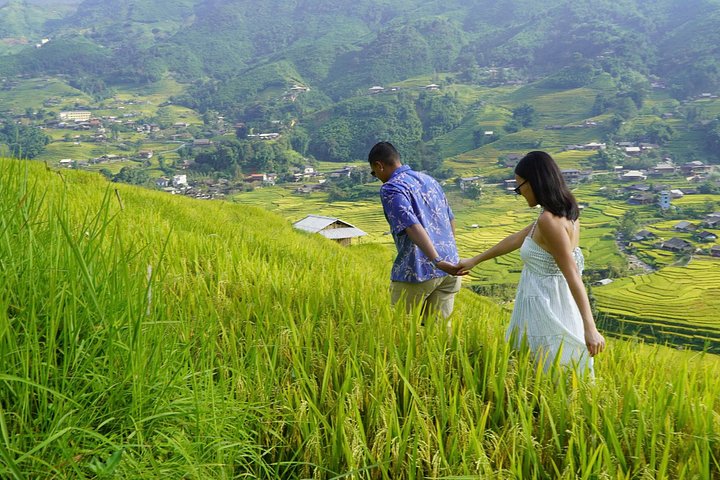
Sin Chai Village Hmong Culture Half-Day Trek
A quieter half-day walk to a Black Hmong village close to Sa Pa town, with terraces, farmland and a calmer pace than Cat Cat. Easy and unhurried.
Hmong Batik and Indigo Embroidery Workshop
A hands-on workshop in Hmong batik and indigo craft, drawing patterns in beeswax and finishing a piece to take home. A calm, creative alternative to a trek.
Cooking Class with a Local Hmong Family
A cooking class in a Hmong family home, learning northern Vietnamese mountain dishes from the people who make them every day. Food, conversation and a seat at the table.
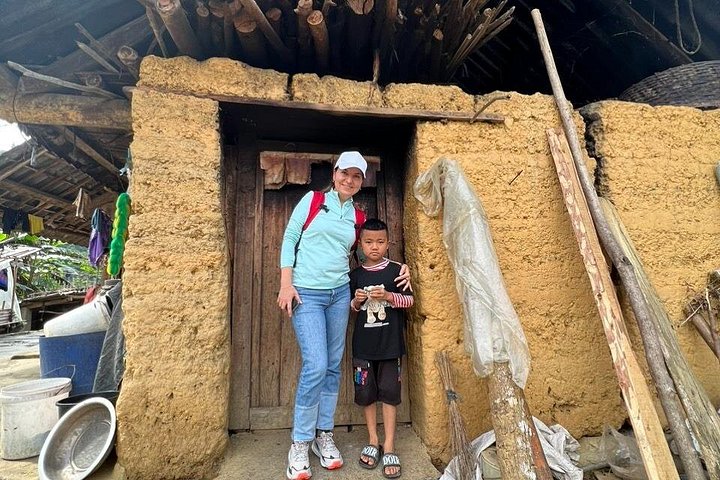
Can Cau and Bac Ha Saturday Market Private Tour
A Saturday tour to the Can Cau border market, where Flower Hmong and other communities trade livestock, textiles and food, with Bac Ha included on the same trip.
 Do
Bac Ha Sunday Market Full-Day Tour
A long day trip on Sunday morning to the highland market where Flower Hmong and other communities gather in bright dress to trade. Colourful, crowded and worth the early start.
Sapa Charm Hotel
A large four-class hotel with an indoor pool, an on-site spa, a gym and a free breakfast buffet, within about a quarter of an hour on foot of Sa Pa Square.
Canvas Sapa Legend Hotel
A small hotel of 60 rooms about three minutes on foot from Sa Pa Square and the cable car station, with a spa, a bar and a terrace.
Topas Ecolodge
Bungalows on a ridge above a remote valley, with a clifftop pool and a restaurant. A peaceful escape, about 45 minutes from Sa Pa by car.