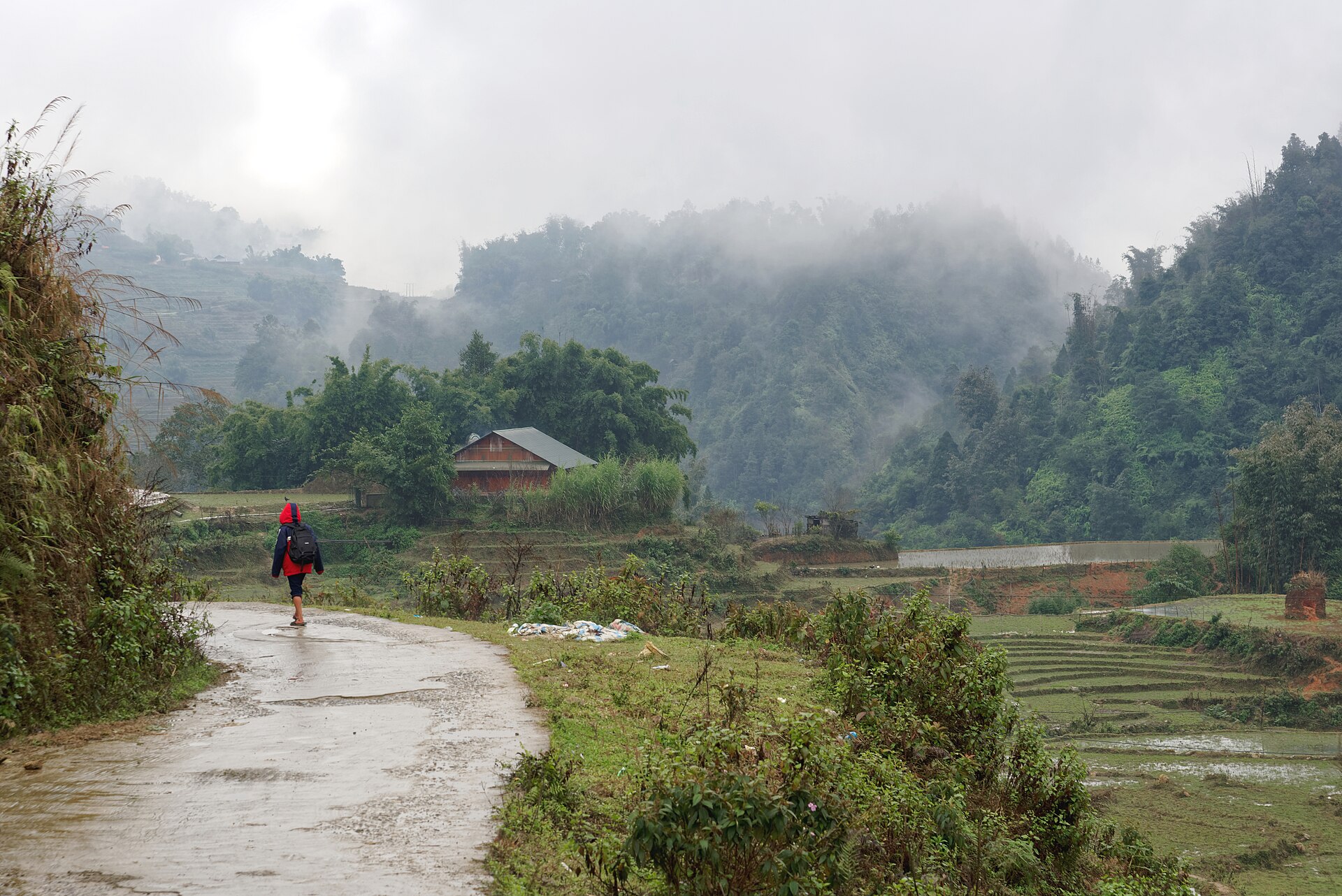
Sa Pa rewards movement. The same valley looks different on foot, from a saddle, in the back of a jeep or beneath a paraglider, and the best trips mix more than one of these. This guide compares the main ways to get outside, so that you can match them to your fitness, your time and your tolerance for risk, and avoid the common mistake of booking three similar treks and missing everything else.On foot: the classic. Walking is the heart of Sa Pa. A half-day walk such as Cat Cat or the Muong Hoa valley suits almost anyone. A full-day trek, such as Lao Chai and Ta Van, the Muong Hoa bamboo forest route or the quieter Hau Thao villages, needs reasonable fitness and good shoes. An overnight homestay trek adds a night with a family. Walking is the best way to meet people and see detail, but it is also the slowest, so choose one or two routes and do them properly.Up the mountain. For serious hikers, Fansipan is the headline. A one-day climb is long and hard, while the two-day trek with an overnight on the mountain is steadier and more rewarding. Putaleng offers a quieter alternative in the same range, and the three-day Hoang Lien National Park trek goes further into the forest. All of these need warm clothes, waterproofs, good boots and a spare day for weather. If you prefer not to climb, the cable car reaches the summit area in about fifteen minutes.By bike. A guided cycling day covers much more ground than walking and gives a feeling of freedom. Roads are hilly, so it suits people who cycle regularly, and the descents can be fast on wet surfaces. Ask about helmets, repairs and support, and tell your guide about your level. Cycling is at its best on clear mornings, when the roads are quiet and the air is cool.By motorbike. Motorbike tours are popular because they cover long distances with little effort. On the Love and Silver Waterfalls ride, the tea hills and hot spring day or the longer loops to Mu Cang Chai and Y Ty, you can sit behind a local driver and watch the scenery unfold. Safety matters: wear a helmet, closed shoes and long trousers, avoid riding in heavy rain, and do not drive yourself unless you are experienced and legally covered. Insurance conditions differ for motorbikes, so check your travel policy.By jeep. An open-air jeep on back roads is the comfortable option. You see terraces, villages and viewpoints without walking all day, and the vehicle can carry children, older relatives and people with mixed fitness. Dress in layers, because open air in the mountains is cooler than it feels, and bring a rain layer. It is a very good family day, and a good alternative when the weather rules out a long trek.In the air. Tandem paragliding gives a view that no trail can match. You need no experience, but you do need good weather, a flexible plan and a head for heights. Flights are held when the wind or cloud is wrong, so book early in your stay and leave a spare day. If you prefer solid ground, the Rong May glass bridge and the cable car both give height with a firm floor.Recovery. Hot springs and herbal baths are a standard reward for effort. The Red Dao herbal bath at Ta Phin and a hot spring soak after a motorbike day are both cheap, relaxing and good for tired legs. Add a massage in town and you have a full recovery routine.Planning a mix. A good four-day plan for an active traveller might start with the cultural half-day to orient yourself, follow with a full-day trek, add a motorbike or jeep day for variety, and finish with either the Fansipan climb or a paraglide, depending on the weather. Put the weather-dependent items early, because cloud can close in at any time. Alternate hard days with easy ones, and keep a cushion for transfers back to Hanoi.Safety and judgement. Mountain weather changes quickly. Mist, rain and cold can arrive within an hour, trails turn slippery, and roads can be closed by landslides in heavy rain. Choose operators who give clear briefings, carry first aid and respect cancellations for safety. Tell someone where you are going, carry water and a charged phone, and be willing to turn back. The mountains are not going anywhere, and a flexible approach is the best way to enjoy them.
Sa Pa guide
Active Sa Pa
Choosing how to explore the Sa Pa hills: on foot, by bike, by motorbike, in an open-air jeep or in the air, with advice on fitness, season, safety and combining them.
Mentioned in this guide
Fansipan Two-Day Trek with a Hmong Guide
A two-day climb of Fansipan with a Hmong guide and an overnight stop on the mountain, giving time to enjoy the forest and the summit without a single punishing push.
Putaleng Peak Two-Day Hike
A two-day hike to Putaleng, one of the high peaks of the Hoang Lien range, for walkers who want big mountain scenery and a quieter trail than Fansipan.
Full-Day Cycling Tour around Sa Pa
A full day on two wheels through the hills and valleys around Sa Pa, with a guide, quiet roads and long views that are hard to reach on foot.
Full-Day Open-Air Jeep Tour off the Beaten Track
A full day in an open-air jeep on the back roads around Sa Pa, with stops at viewpoints, villages and hidden corners that tour buses never reach.
Tandem Paragliding over the Sa Pa Hills
A ninety-minute tandem paragliding outing with hotel pick-up, floating over mountain slopes with a licensed pilot. A clear-weather flight that depends entirely on the wind.
Motorbike Day Tour to the Green Tea Hills and a Hot Spring
A guided one-day motorbike ride through green tea hills and rural lanes, finishing with a soak in a hot spring. Scenic riding with a relaxing reward.
Bamboo Sapa Hotel
A four-class hotel on Muong Hoa Street, about seven minutes on foot from Sa Pa Square, with a children's pool, spa services and a wide choice of room sizes.
Sapa Elegance Hotel
A three-class hotel on Hoang Dieu Street, about two minutes on foot from Sa Pa Square and the church, with a rooftop terrace and mountain-view rooms.
Silk Path Grand Sapa Resort and Spa
A chateau-style resort a short walk from the square, with an indoor pool, a full spa and two restaurants. Quieter and more private than the central hotels.