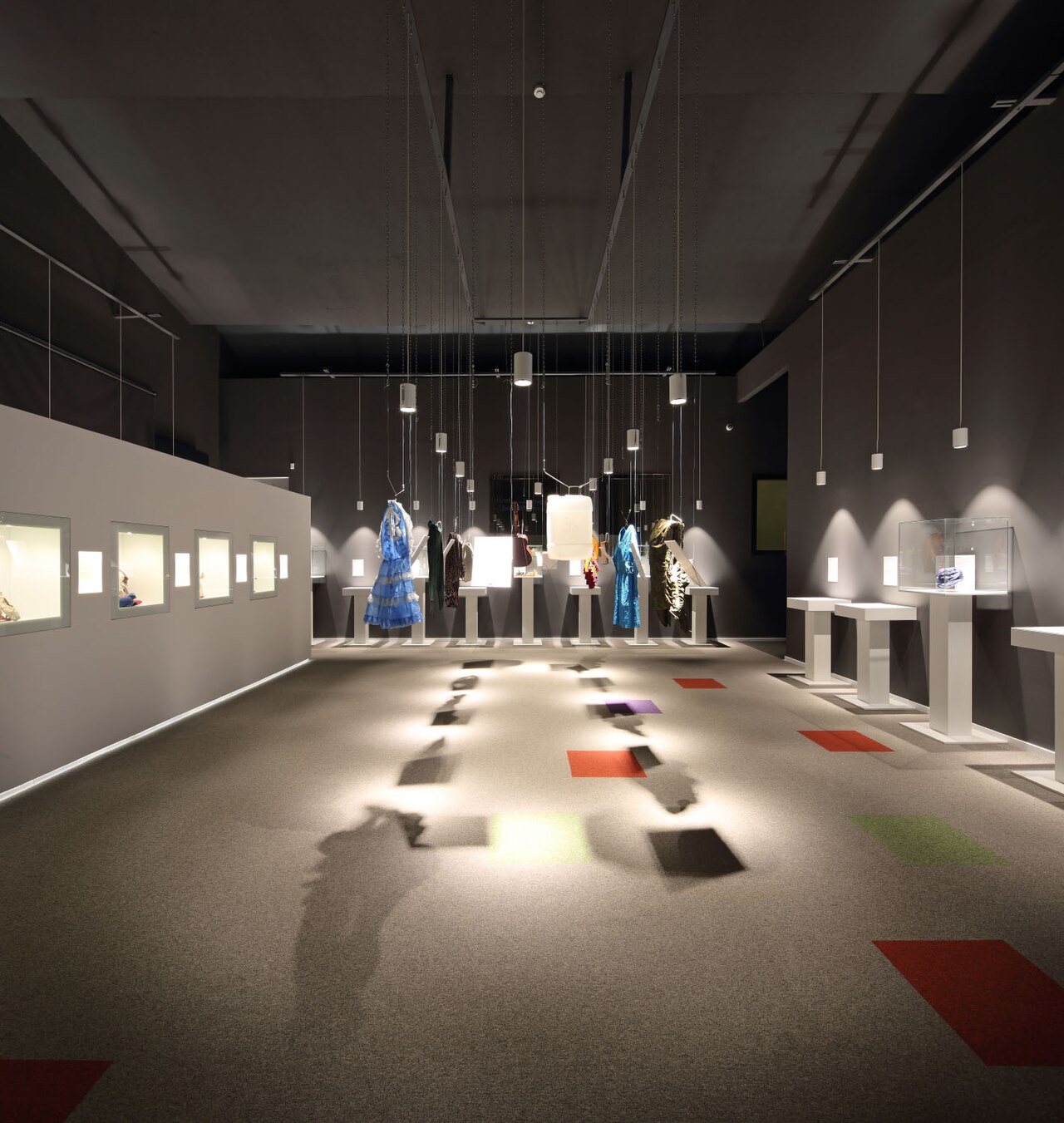
The War Childhood Museum is one of the most moving places in Sarajevo, and it takes a very different approach from a conventional war museum. Rather than tanks and maps, it presents everyday objects that were donated by people who grew up during the siege and the wider conflict of the 1990s: a toy, a diary, a pair of shoes, a letter. Each item comes with a short personal story, and together they build a picture of what it meant to be a child in a city under fire, from games played in cellars to the arrival of humanitarian aid. The museum grew out of a book of stories collected by its founder and has since become an internationally recognised institution. The rooms are small and carefully designed, and many visitors spend more time than they expected simply reading, thinking and sitting quietly.
The museum stands on Logavina Street in the city centre, a short walk uphill from Baščaršija and close to the tram stops at Baščaršija and Katedrala. It is open daily, typically from late morning until early evening, with last entry shortly before closing, and it is closed on a handful of national holidays.
Tickets are sold in timed slots and can be bought online or at the ticket office, and groups of ten or more need to arrange a visit in advance. The museum has also run free-entry hours on a recurring basis, so ask or check ahead if cost is a concern.
What you will see
The permanent exhibition is arranged around themes such as family, play, school and loss. Each object has a text label, and mobile guides are available in several languages through a QR code, so bring your phone and headphones. There is a children's corner with drawing materials and interactive guides for younger visitors, a small shop and accessible facilities, including a lift or ramp at the entrance and an accessible toilet.
Practical advice
Allow around an hour and a half, more if you like to read every story. The material is emotional, and some visitors find it overwhelming, so take breaks and avoid scheduling it directly before a tight dinner reservation. It works well after the Old Town walking tour or a siege history visit, because it adds the personal perspective that the sites alone do not give.
It is suitable for older children and teenagers, who often connect strongly with the stories of people their own age, but parents should preview the themes first. Be respectful of other visitors, keep voices low and ask before taking photographs where signs indicate restrictions.
Why it stays with people
Because the stories are told in the voices of those who lived them, the exhibition avoids easy conclusions and instead lets small details do the work, such as how children invented games with whatever was at hand, what they ate, what they missed and how they found moments of joy in the middle of fear. Many visitors say it changed how they think about conflicts elsewhere in the world, since the museum's approach has been used in projects with children in other war-affected countries. If the topic moves you, the museum shop sells a book of collected stories, which makes a thoughtful keepsake.
What to expect
The experience
A self-guided visit through a compact permanent exhibition of objects and personal stories from people who were children during the war.
Best time
Late morning or afternoon, outside school-group hours, and not directly before another emotionally heavy visit.
How long
About an hour to an hour and a half, longer if you read every story.
Tips
Buy a timed ticket in advance, bring headphones for the mobile guide and allow quiet time afterwards.
Quick picks
- Best for
- Visitors who want the human story of the siege, told through everyday objects.
- Families
- Suitable for older children and teenagers, with a children's corner and interactive guides, though parents should preview the themes.
- Couples
- A thoughtful, quiet visit that sparks conversation, best followed by a coffee in the nearby streets.
- Pair with
- The Tunnel of Hope, a siege history tour or the Old Town walking tour.
- Time needed
- About ninety minutes.
Good questions
Where is the War Childhood Museum?+
It is on Logavina Street in the city centre, a short walk uphill from Baščaršija and close to the Baščaršija and Katedrala tram stops.
How do I buy tickets?+
Tickets are sold in timed slots online or at the museum's ticket office. Groups of ten or more should arrange a visit in advance.
How long does the visit take?+
Plan on about an hour to an hour and a half, depending on how much you read.
Is it suitable for children?+
It is suited to older children and teenagers. There is a children's corner, but the stories deal with war and loss.
Is the museum accessible?+
The museum offers a lift or ramp at the entrance and an accessible exhibition space and toilet. Check ahead for current arrangements.