Albania was one of the most isolated countries in the world during the communist period, and the coast near Corfu was a sensitive border zone. This guided tour tells that story through Saranda itself, using the town, its hillsides and its viewpoints to show how fear, propaganda and daily life shaped ordinary lives. It is a thoughtful, human history rather than a list of dates, and it makes sense of the concrete bunkers that still dot the landscape.
The country's leader, Enver Hoxha, built a vast network of small concrete bunkers across the land, in the belief that invasion was imminent. Estimates run to hundreds of thousands, and many remain on beaches, hills and roadsides, often unnoticed until pointed out. A guide explains how they were built, who used them and why they became symbols of the regime. Some have been repurposed as cafes, storage or art, and the tour can show examples.
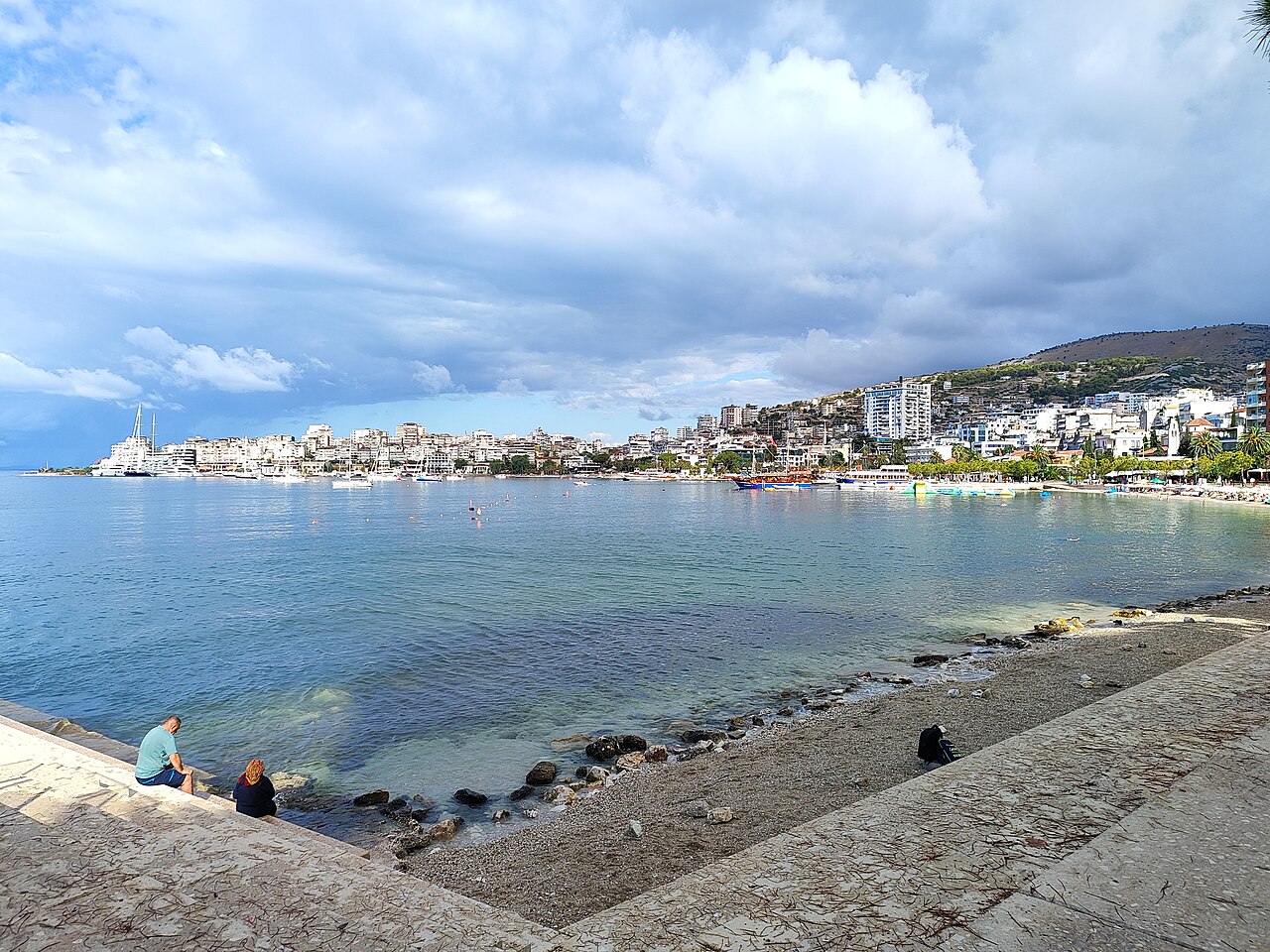
Saranda's position facing Corfu meant restrictions on movement and access to the sea. Guides describe how people were watched, how families tried to cross the border and how the town changed after the end of communism. Personal stories, from guides or from older residents, give the history weight. The tone is respectful and factual, and questions are welcome.
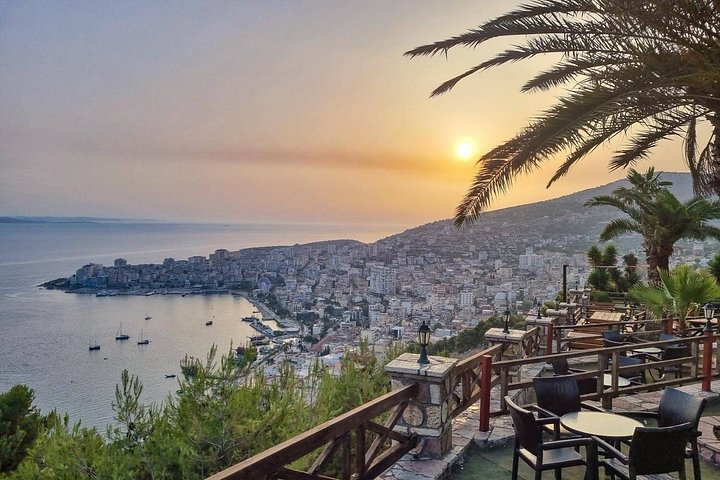
The walk is short and gentle, usually in the town and on the lower hillside, but check whether it includes a climb to a viewpoint or a bunker site. Wear comfortable shoes and bring water. It is a good companion to the general walking tour and to a visit to Gjirokaster, whose castle contains a museum with material on the Cold War era.
The subject can be heavy, but most visitors find the tour illuminating and surprisingly warm, thanks to the humour and openness of local guides. It suits adults and older teenagers who are interested in modern history. For younger children, a beach day is more appropriate. After the tour, ask your guide for places to eat and for further reading on Albanian history.
Because the topic is complex, it helps to arrive with an open mind. Albanians hold different views of the period, and guides often share their own families' experiences, from forced labour to the shortage of basic goods and the excitement of the first foreign visitors. The tour does not glamorise the era, and it does not hide the pride many people felt in the country's independence. Questions are welcome, and the conversation often continues over a coffee at the end.
Be prepared for strong opinions and mixed feelings. Some residents remember the era with bitterness, others with nostalgia for security and equality, and the best guides allow both views to be heard. Expect to hear about food ration queues, the ban on private cars, the isolation from the outside world and the arrival of satellite television in the early 1990s.
The tour is a good partner to a visit to Tirana's museums if you continue north. Wear shoes suitable for rough ground, bring water and take your time at each stop. Take photographs respectfully, avoiding private property, and ask the guide if a bunker is safe to enter.
What to expect
The experience
A small-group walking tour in Saranda that uses the town and its bunkers to explain the communist period and its aftermath.
Best time
Morning or evening for comfortable walking.
How long
About one and a half to two hours.
Tips
Wear comfortable shoes, bring water and ask questions. Check whether the route includes a climb.
Quick picks
- Best for
- Modern history lovers who want to understand what they see around them.
- Families
- Best for older teenagers; younger children may lose interest.
- Couples
- An engaging and thoughtful hour or two.
- Pair with
- The general walking tour or the Gjirokaster castle museum.
- Time needed
- Under two hours.
Good questions
Why are there bunkers in Albania?+
The communist government built them in large numbers because it feared invasion.
Is the tour suitable for children?+
It is best for adults and older teenagers.
How long does it take?+
Around one and a half to two hours.
Do we visit a bunker?+
Many tours show examples, but check the details of the route.
Is it physically demanding?+
No, but there may be steps and an uphill stretch.