Eating in Saranda is one of the pleasures of the trip. The food draws on Albanian, Greek and Italian traditions, using olive oil, fresh vegetables, local cheese and the catch of the day. Prices are modest by Mediterranean standards, portions are generous and the mood is relaxed. This guide explains what to look for and how to eat well without spending too much.
Seafood
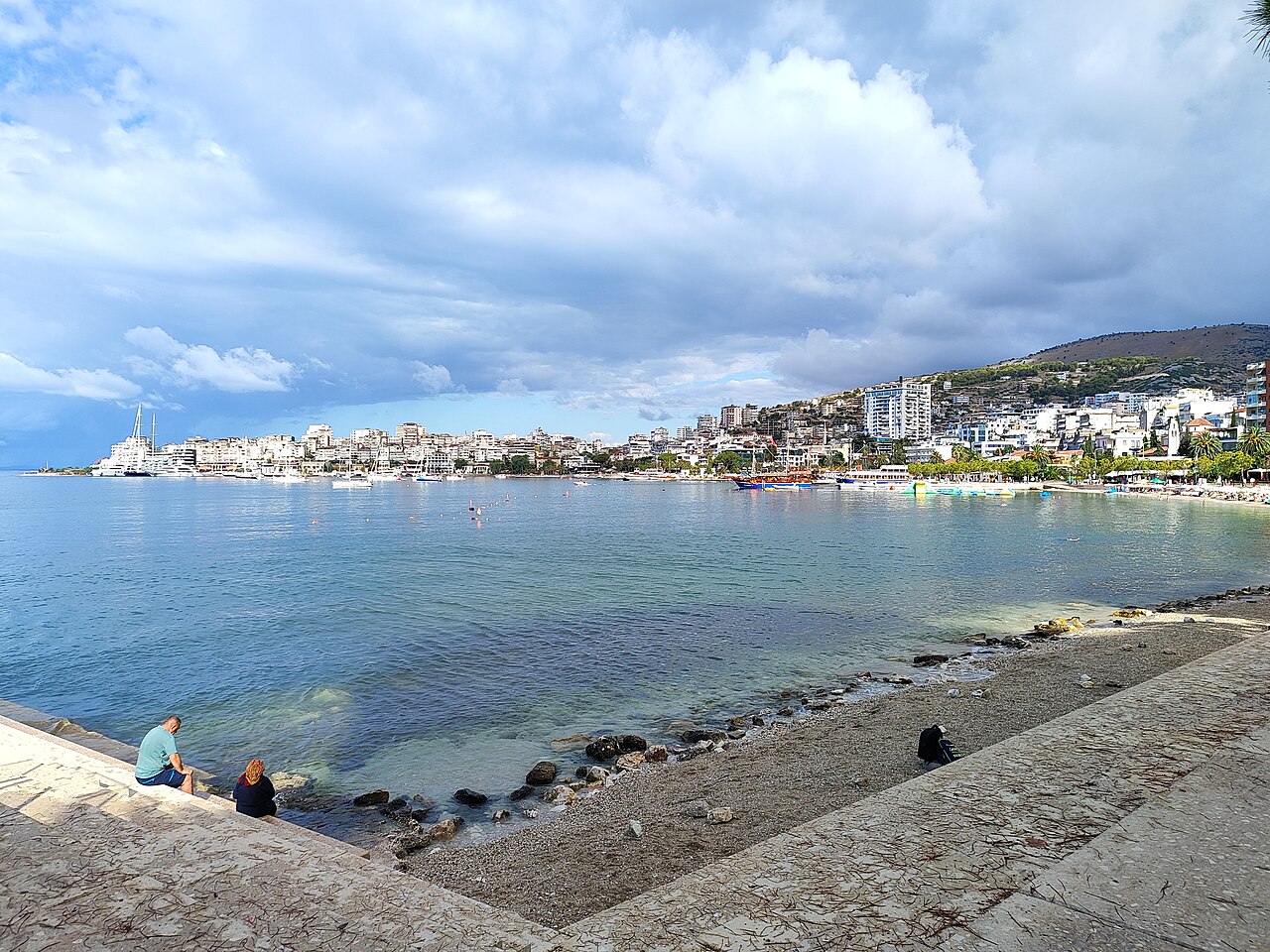
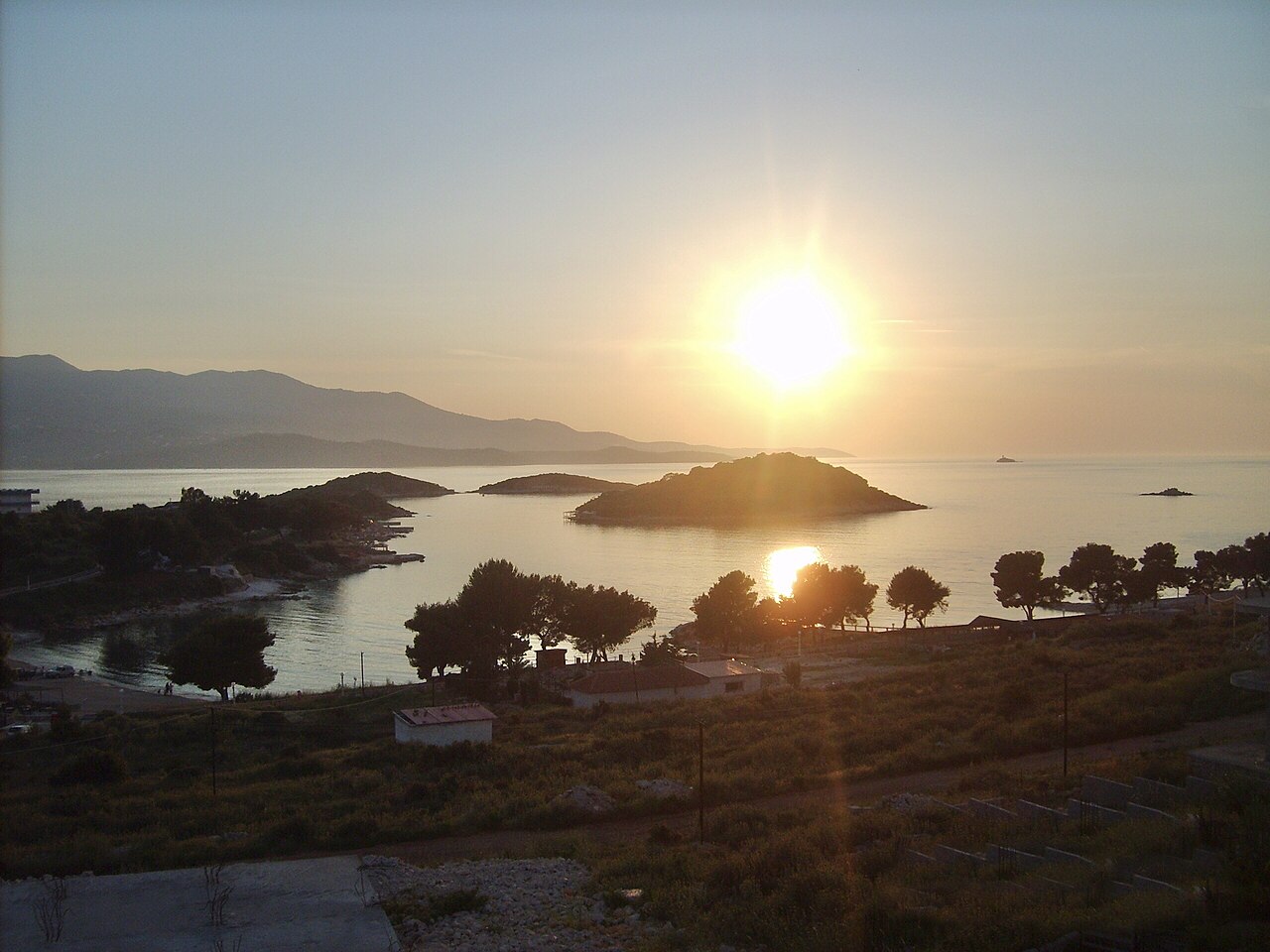
The coast is known for grilled fish, calamari, shrimp and mussels. Fish is often sold by weight, so ask for the price before ordering. Mussels from the Butrint lagoon are a regional speciality, steamed, grilled or baked with cheese. Seafood restaurants line the promenade, the harbour and Ksamil's shore, and the best tables fill at sunset, so reserve in summer.
Meze and starters
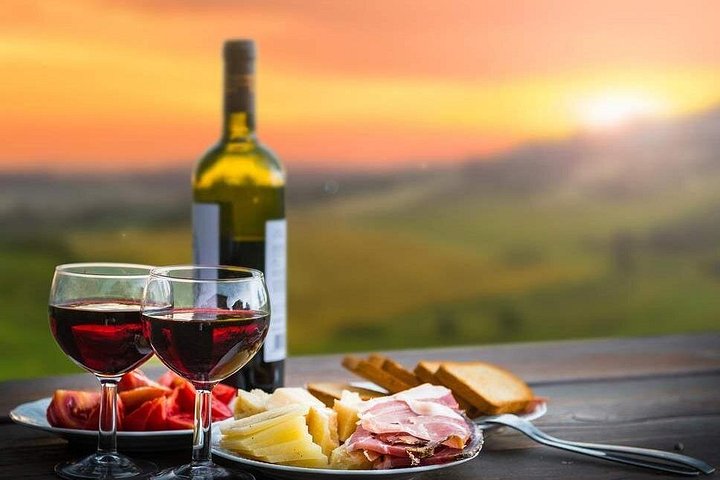
Start with a spread of small dishes: tomato and cucumber salad with local feta, grilled vegetables, stuffed peppers, fried zucchini and fresh bread with olive oil. Many places serve a meze plate designed to share. Order a few dishes at a time and add more as you go, since portions can be large.
Byrek and street food
Byrek is a flaky pie filled with cheese, spinach, meat or pumpkin, sold in bakeries and eaten for breakfast or a snack. Other quick bites include grilled corn on the promenade, fresh fruit, ice cream and gyros-style wraps. Bakeries open early and are an inexpensive way to start a day trip.
Grilled meat and village dishes
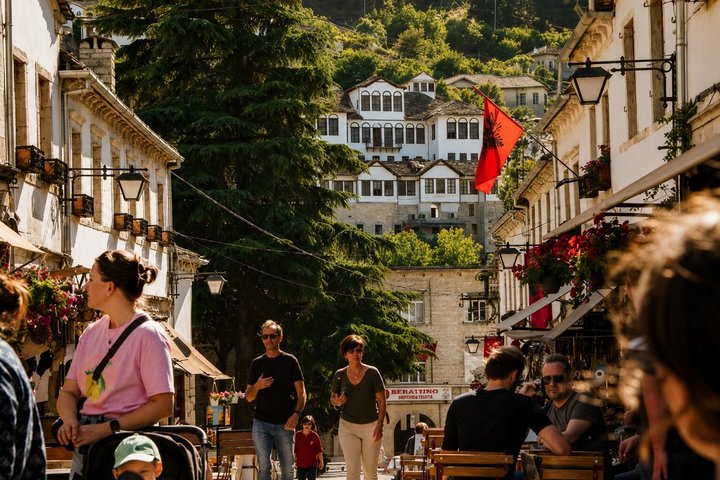
In the interior and in Gjirokaster, expect lamb, veal and chicken grilled over charcoal, stuffed vegetables, baked beans, yoghurt and cheese pies. Many restaurants on day-trip routes serve a set lunch of local dishes. Sweet pastries and desserts soaked in syrup are common, often served with Turkish-style coffee.
Drinks
Raki is the national spirit, a clear grape brandy served as a welcome and sipped slowly with toasts. Albanian wine is improving, with local varieties and small producers in the south. Local beer is easy to find, and coffee culture is strong, with espresso on every corner. A tasting tour is a good introduction to raki and wine.
Practical tips
Dinner starts late in summer, around eight or nine. Many restaurants accept cards, but cash is useful in small places. A service charge is not always added, and tipping about ten percent is appreciated. Tap water is not generally recommended for drinking, so buy bottled water. Vegetarians will find plenty of options in salads, pies, vegetables and cheese.
Where to eat
For atmosphere, choose a harbour or seafront table at sunset. For value, walk a street or two back from the promenade. In Ksamil, pick a terrace by the water or a mussel restaurant near the lagoon. In Gjirokaster, try a family restaurant in the old bazaar. Ask your hotel or guide for current favourites, because places change from year to year.
Sample day of eating
Start with a byrek and coffee from a bakery, then take a picnic of fruit, cheese and bread on a day trip. Have a long lunch of meze and grilled fish in Ksamil, followed by a swim. In the evening, enjoy a late dinner on the promenade with a glass of local wine, and finish with ice cream as you stroll. If you want something different, try a village taverna in the hills for lamb, vegetables and fresh yoghurt. Food etiquette. Hosts will often press more food on you, and it is polite to accept a little. Toasting is common, with the word gezuar, and it is respectful to make eye contact. Bread is rarely wasted, and sharing dishes is normal. Ask about allergies in advance, as menus may not list every ingredient, and carry a short note in English or Greek if needed.
Seasonality in the kitchen
Summer brings ripe tomatoes, peaches, figs and watermelon, which appear in salads and desserts. Autumn is the season for olives, grapes, pomegranates and chestnuts, and for new wine. Winter dishes are heartier, with beans, lamb stews and baked pies, while spring brings wild greens, young cheese and artichokes. Ask what is in season, and you will often be served the best thing on the menu. Coffee culture. A morning espresso is a ritual. Order a macchiato or a filter coffee, take your time and watch the town wake up. Locals linger for hours over a single cup, and nobody rushes you, which is a good lesson for the whole trip.