There is no single best time to visit Sardinia, because the island has several very different personalities. In summer it is a beach and boating destination, in spring it is a garden, in autumn it is a quiet place of warm seas and golden light, and in winter it is a mild, local, slightly melancholy island of towns and mountains. Choose the season to match what you want to do, and the island will reward you.
Spring (April to June): the best all-round choice
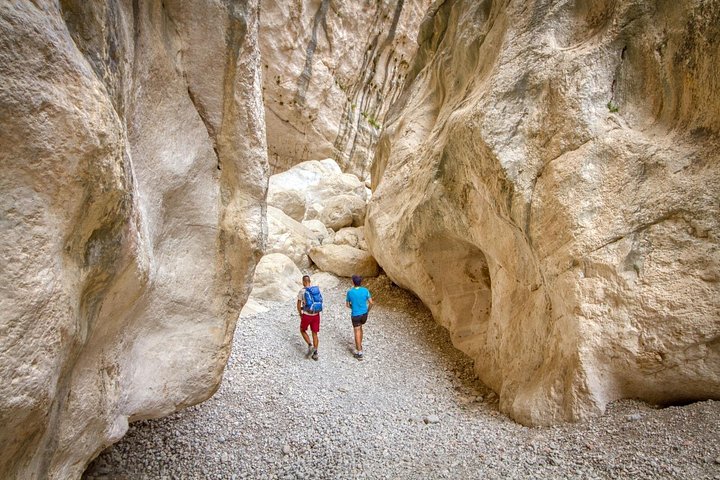
Spring is when Sardinia is at its greenest. Wildflowers cover the hills, the Giara plateau fills with flowering pools and foals, and the temperatures are ideal for hiking. It is the best time for the Gola Su Gorropu canyon, the Tiscali trek and the coastal walks around Baunei, because the air is clear and the heat has not yet arrived. Cities such as Cagliari and Alghero are lively, with outdoor tables and long evenings, and the crowds are modest before summer. The sea is still cool, so swimming is for the brave until about late May, but the beaches are lovely to walk. Book popular guided visits ahead, because spring is the busiest period for archaeological day trips.
Summer (July and August): beaches, boats and crowds
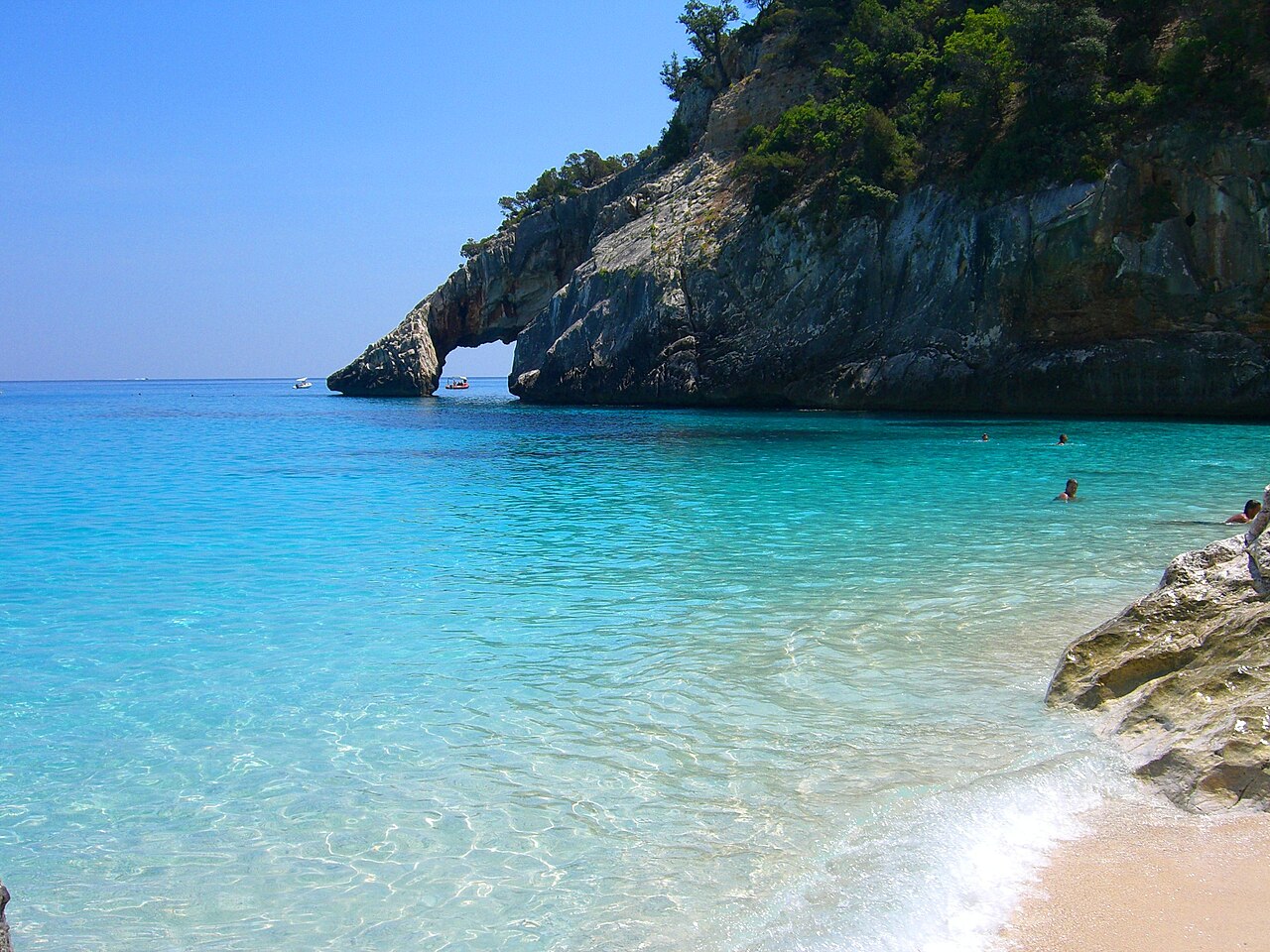
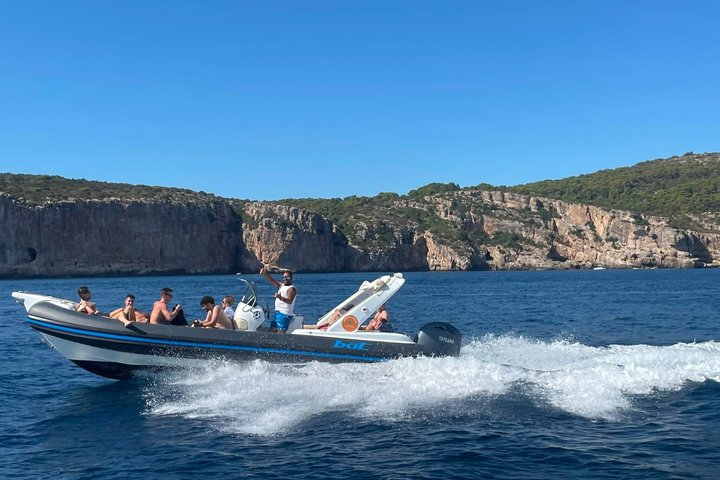
High summer is the season of the island's famous coastline. Boat trips to the La Maddalena archipelago and along the Gulf of Orosei, beach clubs and the glamorous resorts of the Costa Smeralda are in full swing, and the sea is warm and clear. The trade-offs are heat, crowds and prices, with accommodation at its most expensive and the best rooms sold out far in advance. Midday temperatures can be fierce, so sightseeing in the interior is best done at dawn or late in the day, and some popular coves require advance booking. If you come in summer, plan beach mornings, siestas and evening activities, and leave the archaeological sites to the cooler hours. The spots that stay lively and shaded, such as the old towns of Cagliari and Alghero, are pleasant after sunset.
Early autumn (September and October): warm sea, quiet roads
Many locals consider September the best month. The sea is at its warmest, the summer crowds have thinned, prices fall and the light is soft and golden. Beaches are still comfortable for swimming into October in the south, and boat trips continue into the early autumn before the season winds down. This is also an excellent time for hiking and for visiting the nuraghe sites, and for harvest-time food and wine. The weather can turn, with the first autumn storms arriving in October, so keep a flexible plan.
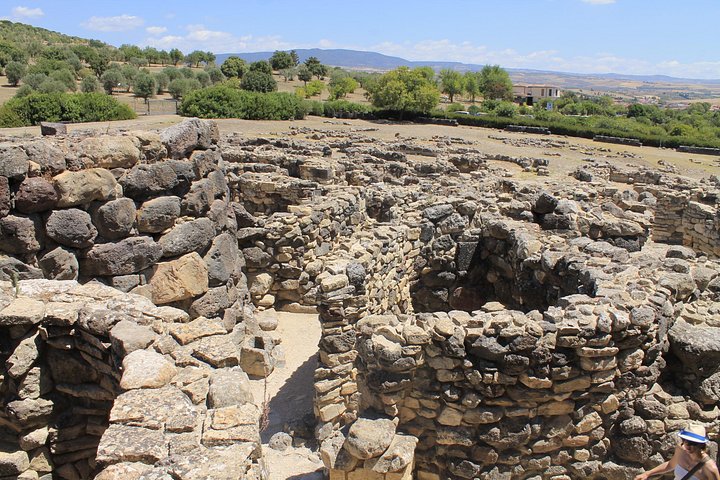
Late autumn and winter (November to March): the local island. Winter is the quiet season. The weather is mild compared with northern Europe, often sunny and clear, with daytime temperatures that suit walking and sightseeing, though rain and wind are common and the mountains can be cold. Many beach clubs, seasonal hotels, boat operators and Costa Smeralda resorts close, and some rural roads and trails are affected by weather. What remains is the best of the real island: Cagliari's old town and museums, Alghero's walls, the Su Nuraxi nuraghe, the Nora ruins, the saltworks and the flamingos. Neptune's Grotto is closed on Thursdays from mid-November to mid-March and whenever the sea is rough, and boat access to it is a warm-season service. Winter is also the season for sea urchins, citrus and local festivals, and accommodation is a bargain, especially at places that stay open, such as Villa Las Tronas in Alghero.
Month by month in brief
January and February are the coolest and quietest months, good for city breaks and for the almond blossom in the countryside late in the season. March and April bring the first wildflowers and Easter festivities, including solemn processions in many towns. May and June are the sweet spot for walking and for the first swims. July and August are for the beach. September and October are for warm seas and calm. November and December are for food, fires and museums.
Planning tips
If you can only go once, aim for May, June or September, when the weather, crowds and prices balance best. If you want to hike, avoid midsummer, because trails such as Gorropu, Tiscali and Cala Goloritzé are demanding in the heat and often have no shade. If you want boat trips and beach clubs, go between June and September, and book early. If you want culture and calm, choose the cooler months and base yourself in a city. Whatever the season, pack layers, because Sardinia is windy, and carry a light rain jacket outside summer. Check opening hours for museums, ferries and restaurants, which change with the season, and enjoy the fact that the island looks different in every month.