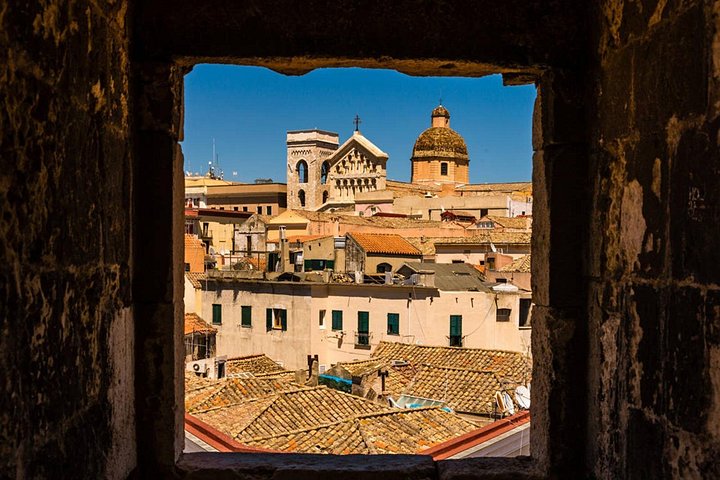
Sardinia is big, hilly and sparsely populated, and the first lesson is that distances matter. It is the second-largest island in the Mediterranean, and the drive from Cagliari in the south to Alghero in the northwest takes around three hours or more. The easiest way to plan a first trip is to choose one or two bases and treat the rest as day trips. Cagliari and Alghero both stay lively all year, which matters because much of the island's famous coastline is seasonal.
Know the seasons first
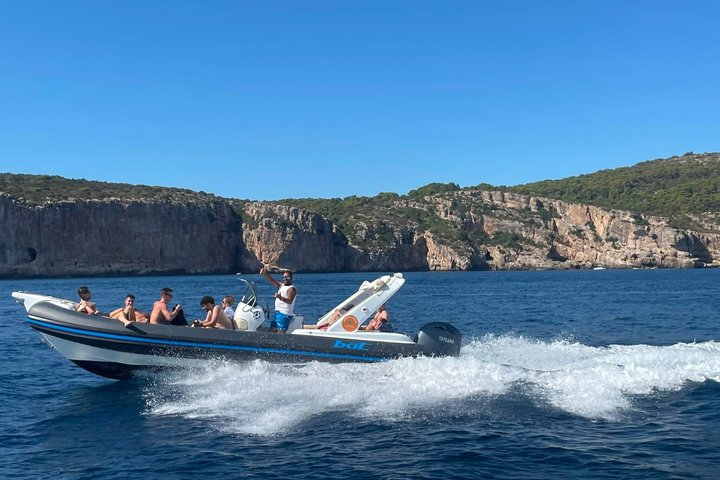
Sardinia has two very different travel seasons. From about June to September the beaches, boat trips and Costa Smeralda resorts are in full swing. Boat trips to the La Maddalena archipelago and along the Gulf of Orosei, and many beach clubs and resort hotels around Porto Cervo, run in the warm months and largely close in winter. Outside summer the island turns quieter and more local, and the sights that shine are the cities, archaeological sites, canyons and hiking trails. This guide leans toward the sights that work in every season.
What to book ahead
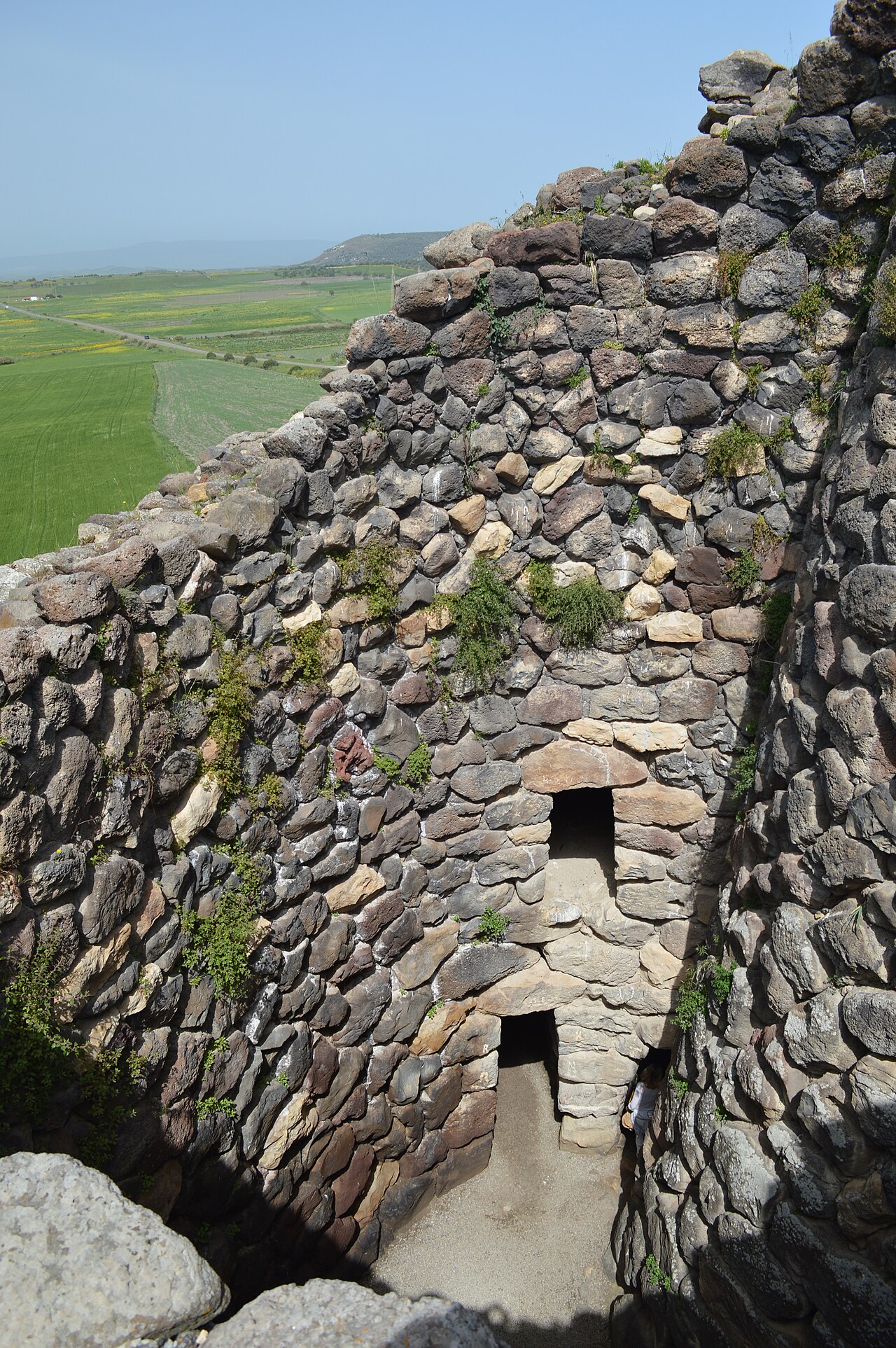
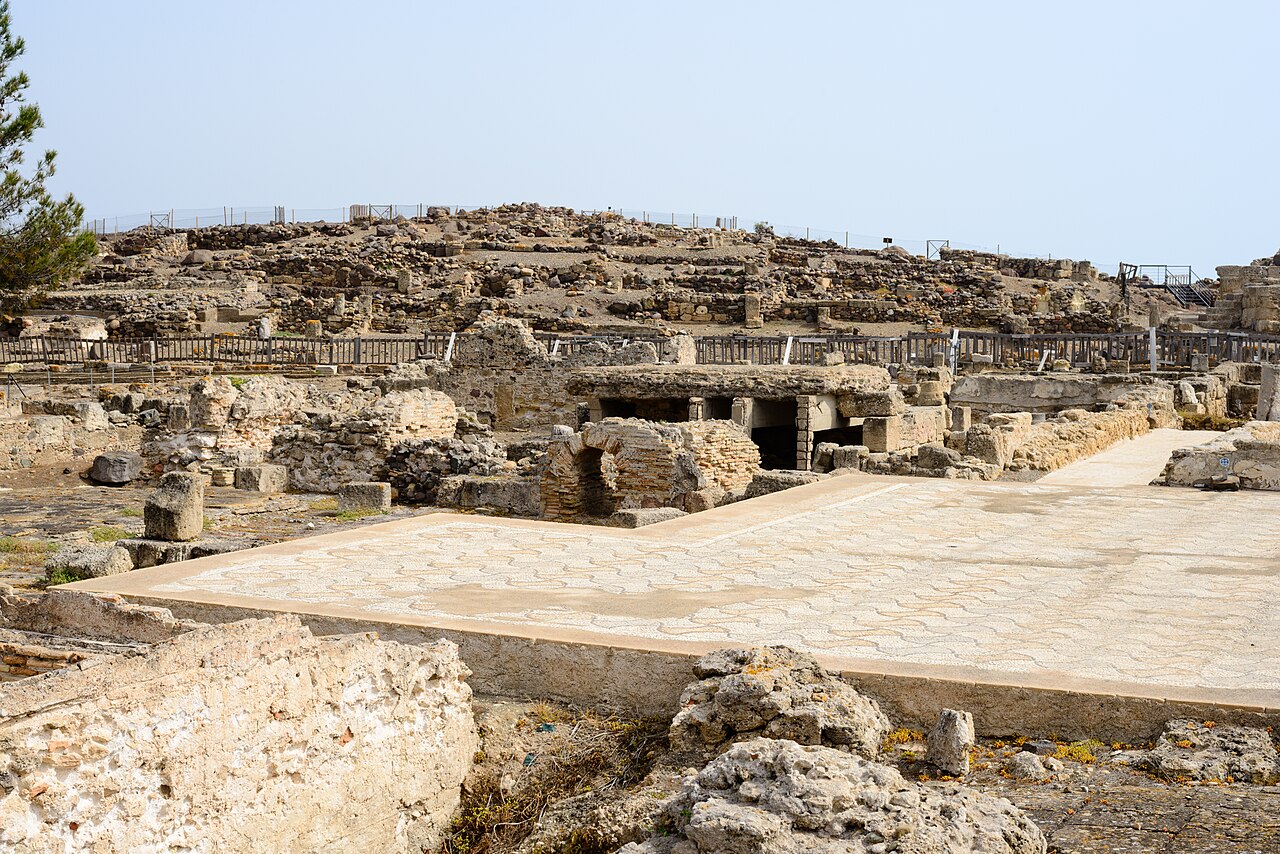
Most places can be visited without much planning, but a few reward a reservation. Guided visits to Su Nuraxi at Barumini and the Nora ruins are easiest as small-group trips from Cagliari, and they fill up in spring and summer. A guided hike into the Gola Su Gorropu canyon should be arranged a day or more ahead, because the route depends on weather and guides confirm conditions. Cala Goloritzé has managed access with booking, so check the Baunei tourism office before you go. The Saline Conti Vecchi flamingo saltworks sells timed visits and is closed on Mondays.
How many days
With four days, stay in Cagliari and see Castello, the Saint Remy Bastion, Poetto and one day trip, either Barumini or Nora. With a week, add the flamingo saltworks and a second day trip, then spend three nights in Alghero for the old town and Neptune's Grotto. With ten days, add the wild east coast, with the Gorropu canyon and the Baunei trails, which are far from the main airports and need a car and a night or two nearby.
Cagliari: two to three days
Start in the hilltop Castello district, walking up from the Bastione di Saint Remy to the cathedral, the towers and the viewpoints, ideally with a guide. Spend a morning at Poetto beach, which is a pleasant walk even in winter, and add the flamingo saltworks at Assemini. Cagliari is also the best base for the south's archaeology, with Nora about thirty kilometres away and Su Nuraxi at Barumini about an hour to the north.
Alghero: two days
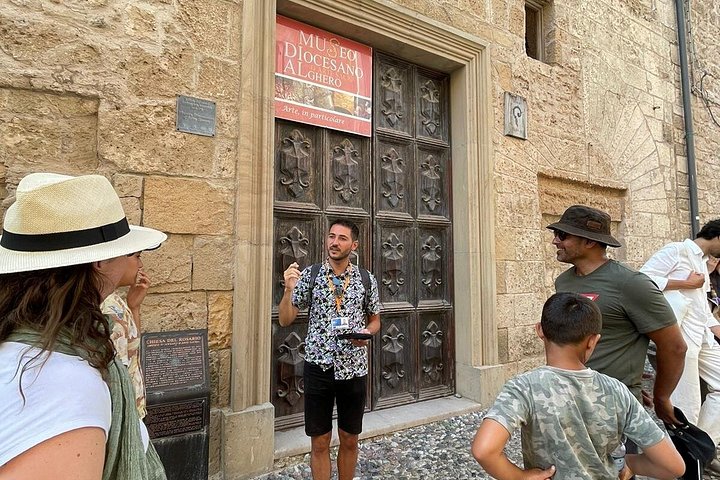
Alghero is a walled old town with Catalan roots, coral jewellery shops and a rampart promenade. A walking tour covers the highlights in a couple of hours, and a day trip to Capo Caccia brings you to Neptune's Grotto. Check the grotto's opening page before you go, because it closes on Thursdays from mid-November to mid-March and whenever the sea is rough.
Getting around
Public transport is limited outside the cities. Buses connect the main towns, and a train line links Cagliari with a few inland destinations, but most of the island's best sights are easiest by car. Rent one at the airport, and take care on narrow mountain roads. If you prefer not to drive, choose guided day trips from Cagliari and Alghero for Barumini, Nora and Capo Caccia, and use taxis in town.
A few honest tips
Dress in layers outside summer, because mornings can be cool and the wind strong. Many restaurants close one day a week and keep shorter hours in winter. Try culurgiones, pecorino, fregola and the local seafood. And do not try to see everything: Sardinia rewards slow travel, a long lunch and a good map.