Sardinia rewards visitors who get involved. The island's best moments are often not a ticketed monument but a morning in a kayak, an evening in a kitchen or a quiet ride beside a lagoon. This guide collects the most rewarding active and hands-on experiences from the south to the north-west, and shows how to fit them around the big sights.
Paddling the sheltered bays
Porto Conte Regional Park, west of Alghero, is one of the easiest places to try sea kayaking. The bay is protected from most winds, the water is clear and the cliffs and coves are close, so beginners can paddle comfortably. A guided kayak tour includes a safety briefing, swim stops and usually an aperitif at the end. Mornings are calmer, and evenings are softer and cooler. Stand-up paddleboard tours in the same park offer a similar outing for those with better balance.
Riding to the flamingos
Cagliari has a rare treat in the Molentargius nature park, a mosaic of lagoons and old salt pans where flamingos feed within sight of the city. A guided e-bike tour covers the canals and the paths with pedal assistance, so fitness is not an issue, and the guide explains the birds and the salt history. Autumn to spring is the best time for birdlife, and summer rides are best early or late. For a train-based visit to a working saltworks, the Conti Vecchi complex near Assemini offers a complementary experience.
Cooking your way through the island
Food classes are one of the best ways to understand Sardinia. In Cagliari, a class on culurgiones and panadas teaches the hand-pleated dumplings of Ogliastra and the crisp savoury pies of the south. In Alghero, a pasta class highlights malloreddus, fresh ravioli and the Catalan-influenced cooking of the north-west. Most classes end with a shared meal and local wine, and they run all year, which makes them ideal for rainy days and shoulder seasons. Tell the host about dietary needs when you book.
Walking where roads end
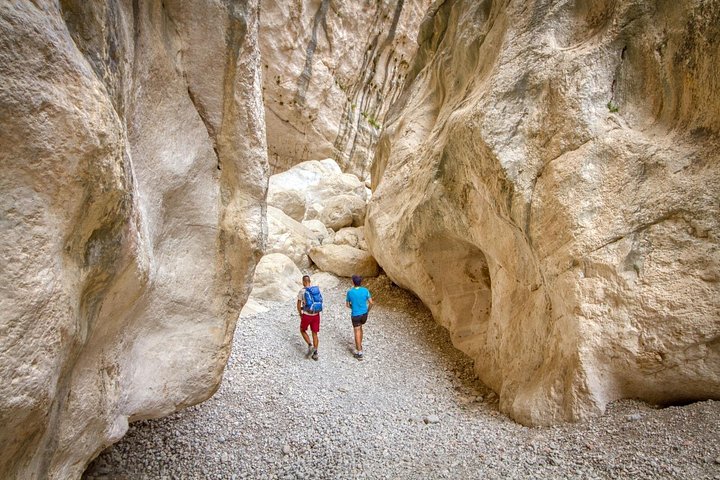
For hikers, the island offers some of the best coastal and canyon walking in Italy. The Gola Su Gorropu canyon, the trail to Cala Goloritzé and the ruins at Tiscali are rewarding day trips from the east coast, while the Devil's Saddle above Cagliari is an easy half-day walk close to the city. Hire a local guide for the longer routes, because trails can be hard to follow and conditions change. Carry water, wear proper shoes and avoid midday summer heat.
Wildlife and open landscapes
The Giara plateau is home to small wild horses, Asinara has its white donkeys and the coastal lagoons host flamingos, herons and avocets. Seeing animals in their habitat is never guaranteed, so treat any sighting as a bonus and focus on the landscape. Keep a respectful distance, never feed animals and keep to marked paths. Binoculars are light and make a big difference, especially on the lagoons and cliff coasts.
Building a balanced itinerary
An active trip works best with a rhythm of effort and rest. Pair a morning paddle with a long lunch, a hike with an afternoon at the beach and a day of cooking with an evening stroll through an old town. Check the weather the day before, because wind and heat can change plans, and keep one flexible day for swaps. Book popular guided activities ahead in summer, when small-group places fill early.
Practical tips
Start early in summer, bring more water than you think you need, and carry a light jacket for evenings and boat rides. Dress in layers in spring and autumn, when mornings can be cool and afternoons warm. If you travel with children, choose activities with age limits that match your family, and read the cancellation terms. Whatever you choose, leave space for the simple pleasures that define the island: a coffee in a square, a swim at the end of a hot day and a table of local food. Allow time to rest, too, since the best days on the island are rarely the most crowded ones.