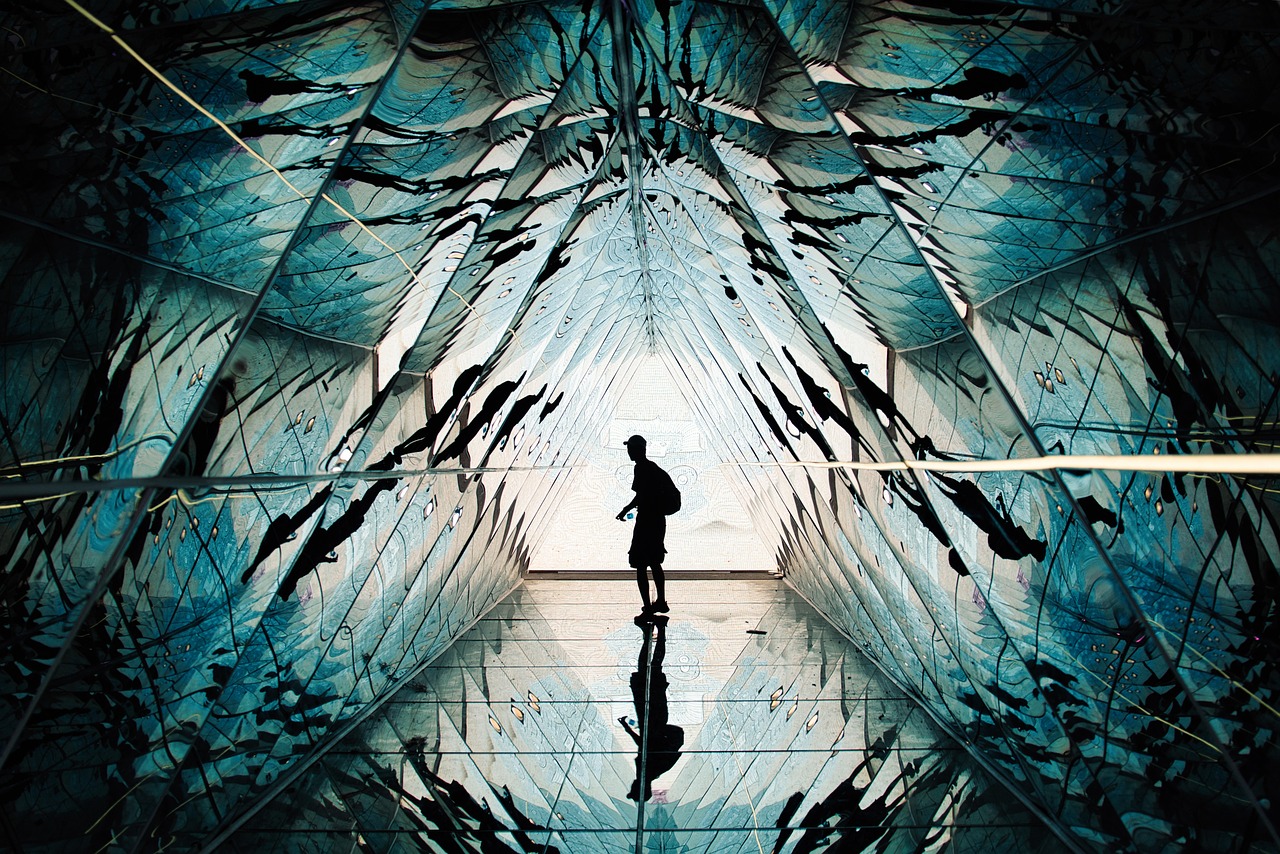
The Museum of Illusions is a compact, playful gallery in downtown Seattle where nothing is quite the size, angle or shape your eyes insist it is. Rooms are built to bend perception: a tilted room that makes people seem to lean at impossible angles, a mirrored tunnel that stretches on forever, and tables where a head appears to sit on a platter. Most exhibits are designed to be photographed, so the visit is as much about taking pictures with friends as it is about reading the science panels. Those panels explain how the brain fills in gaps, why contrast fools us and how artists have used these tricks for centuries. It is a quick, social, low-effort stop that works for groups of different ages, and it is entirely indoors, which is a real advantage in a city where the sky changes its mind often.
Plan on about an hour, a little more if you like to puzzle over the brain teasers. The galleries are not large, so the experience depends on how much you engage: take time with the hands-on puzzles, try each photo setup from more than one angle and let someone else take the picture so you can pose properly. Many of the best shots rely on a phone camera held at a particular height, and staff or signs usually show where to stand. A fully charged phone is the single most useful thing to bring.
The museum suits families with children from about six years old, groups of friends, and couples looking for something light after a heavy museum day. Younger children enjoy the tilted and mirrored rooms but may tire of reading, while teenagers tend to treat the whole place as a content studio. It is also a sensible backup plan when the weather turns, since you can combine it with a coffee break or a short walk to the waterfront afterward.
To get the most from the visit, go at a quieter time, such as a weekday morning or late afternoon, when you can take photos without waiting for the room to clear. Wear comfortable shoes and avoid very wide skirts or bulky bags for the tunnel and mirror rooms. Some exhibits ask you to lie on the floor or sit in unusual positions, so check that your clothing suits it.
If anyone in your group is sensitive to motion or dizziness, take the tilted room slowly, since the illusion works partly by confusing your balance. Pair the museum with Pike Place Market or the waterfront, both a short walk away, to build a full indoor-and-outdoor day.
Timing matters more than most visitors expect. Weekday mornings and the hour after lunch are usually calmer, which gives you room to try each illusion without a queue behind you, and quieter rooms make the photo setups far easier to get right. Groups of friends tend to enjoy it most because many exhibits need a second person to make the effect work, whether that is steadying the camera, pulling the right face or spotting the moment the illusion snaps into place.
Younger children like the tactile puzzles and the mirrored spaces, while adults often linger over the explanations of how perception actually works. Because the gallery is small, it pairs well with a longer outing: do it first on a wet morning, then head for the market or the waterfront once the weather clears. Check the latest entry arrangements before you go, since the venue can change how it handles timed entry on busy days.
What to expect
The experience
A self-paced indoor gallery of optical illusions, tilted rooms and photo setups with short explanations of the science.
Best time
Weekday mornings or late afternoons for shorter waits at the photo stations; any season, since it is fully indoors.
How long
About an hour, longer if you work through every puzzle.
Tips
Charge your phone, wear comfortable shoes and let a friend take photos so you can pose in each setup.
Quick picks
- Best for
- A fun, weatherproof stop with plenty of photos.
- Families
- Good for children from about six, who enjoy the hands-on rooms.
- Couples
- A light, laughter-friendly activity between heavier sights.
- Pair with
- Pike Place Market or a waterfront walk.
- Time needed
- One hour.
Good questions
How long does a visit take?+
Most people spend about an hour, and a little longer if they try every puzzle and photo setup.
Is the museum indoors?+
Yes, it is entirely indoors, which makes it a reliable choice when it rains.
Is it suitable for children?+
Yes. Children from about six enjoy the interactive rooms, though very young ones may lose interest in the explanations.
Can I take photos?+
Photography is a big part of the experience, and most exhibits are designed to be photographed.
Do I need to book ahead?+
Booking ahead is a good idea for weekends and school holidays so you can choose a time that suits you.