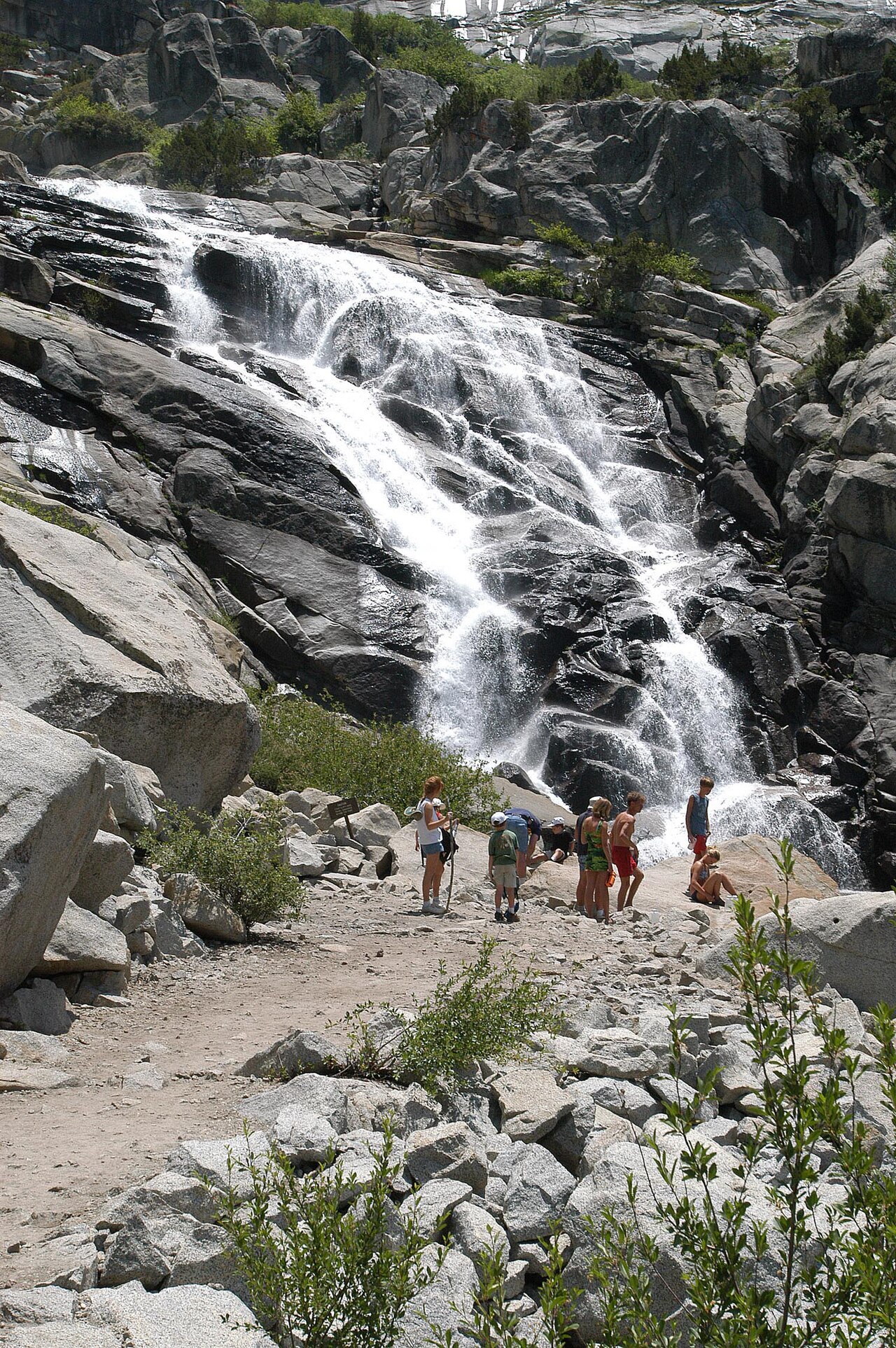
Hospital Rock is a quiet stop on the Generals Highway about five miles above the Ash Mountain entrance, and it shows a side of Sequoia National Park that many visitors miss. A huge granite boulder sits beside the Middle Fork of the Kaweah River, and around it is evidence of a village used by the Potwisha, a Western Mono people, who lived in the foothills during the colder months and traveled to higher country in summer. Mortar holes ground into the bedrock record generations of processing acorns, the staple food of the community. Pictographs painted on the rock, in red and other pigments, show geometric designs and figures whose meanings are still being studied. Interpretive signs explain Potwisha life, from acorn processing to trade and seasonal movement, and describe how settlers arriving in the nineteenth century changed the area. A short trail leads to a view of Hospital Rock itself, where a boulder shelters a rockshelter, and another path takes you to the river and a small waterfall. According to local accounts, the name comes from an injured settler who was cared for by the Potwisha. Closer to the park entrance, the Potwisha campground area also has accessible pictographs and a mortar site that visitors can see from a short walk. The stops are quick but evocative, and give context for the landscape you are about to climb into. The river here is a popular place for wading in summer, though currents can be strong in spring snowmelt.
Respect and context. These are cultural sites, not ordinary scenery. Please do not touch the pictographs, since oils from skin damage the pigments, and do not climb on the rock or add marks. Collecting or moving artifacts is prohibited. Rangers sometimes offer programs about native cultures, and the Giant Forest Museum and the park website can point you to current events. Descendants of the original communities remain connected to the area, and the park works with tribal partners on interpretation.
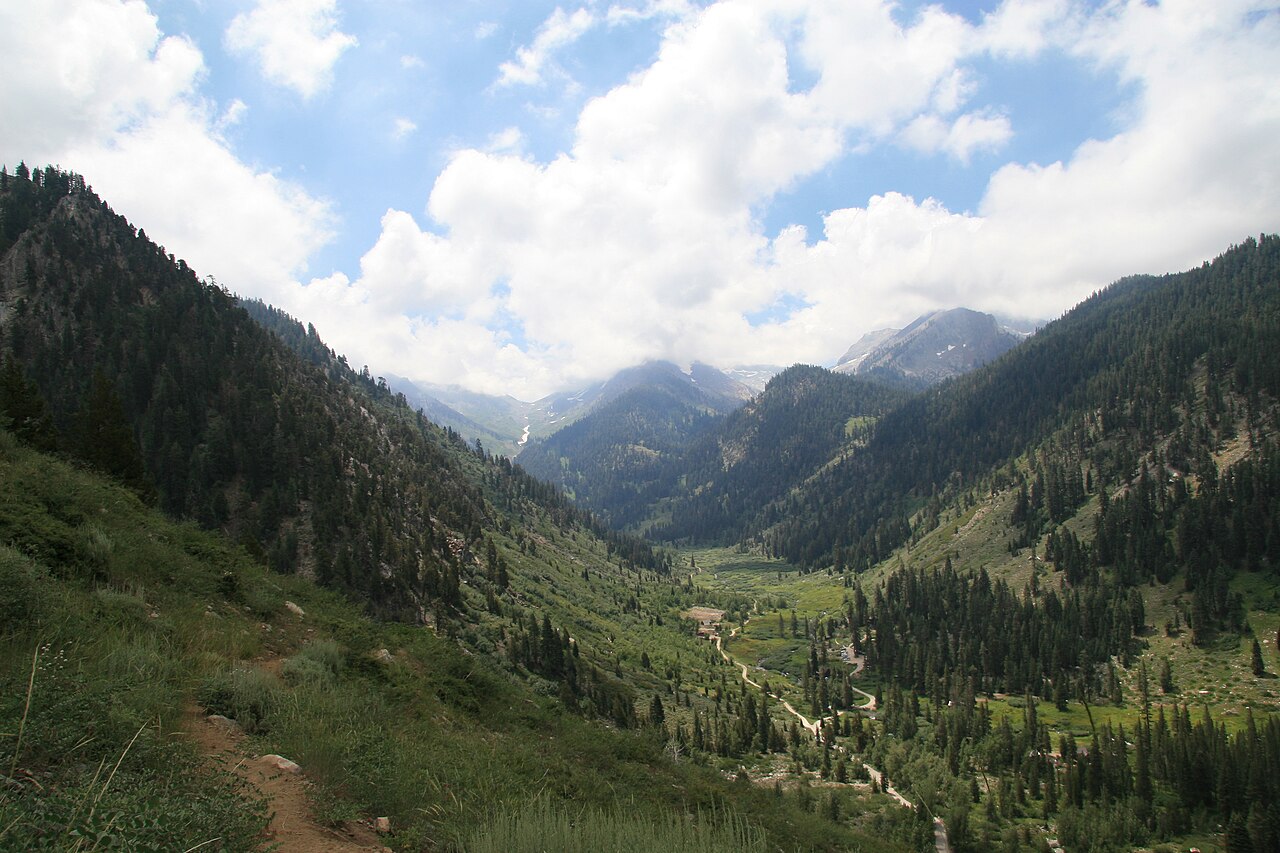
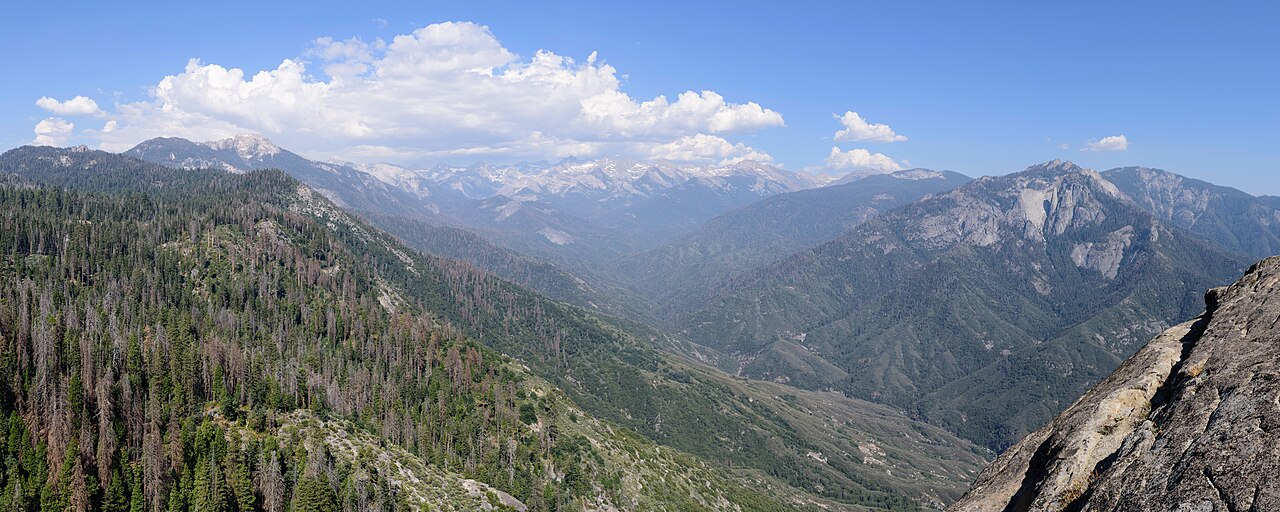
The landscape. This is foothills oak woodland, hot in summer, with chaparral and blue oaks on the slopes and a cooler corridor of cottonwoods and alders along the river. In spring wildflowers bloom early at this elevation, long before the higher forests thaw, and in winter the foothills are often a pleasant place to hike when the Giant Forest is under snow. Rattlesnakes are present in warm months, so stay on paths and watch where you place your hands and feet. Poison oak is also common.
Planning. Allow thirty to sixty minutes. The stop sits on the climb to the Giant Forest, so it fits as a break on the way up or down. There are picnic tables and restrooms in season. The Generals Highway has tight curves and the recommended maximum vehicle length is limited in this stretch, so drive slowly and use pullouts for photographs. If you are staying in Three Rivers, Hospital Rock makes a rewarding early-morning stop before the day-trip crowds arrive.
Learning more. If you would like more context, the Foothills Visitor Center near the Ash Mountain entrance has exhibits about the Western Mono and Yokuts peoples and the foothill ecosystems, and rangers can suggest additional cultural sites. Please treat every site with respect, keep voices low, and remember that these places are living cultural heritage for descendants of the people who made them. Photography is welcome, but do not use chalk or other materials to enhance the rock art.
What to expect
The experience
A short walk around a house-sized boulder with mortar holes and pictographs, plus a path to the river, with interpretive signs on Potwisha life.
Best time
Spring for wildflowers and cool foothill air; winter when the high forest is snowed in.
How long
Thirty to sixty minutes.
Tips
Do not touch the rock art. Watch for rattlesnakes and poison oak in warm months and stay out of fast spring water.
Quick picks
- Best for
- Seeing the human history of the foothills.
- Families
- A short, easy stop with a river and a big boulder to look at.
- Couples
- A quiet early stop before the drive up to the sequoias.
- Pair with
- Tokopah Falls or the Giant Forest.
- Time needed
- An hour.
Good questions
Who lived at Hospital Rock?+
The Potwisha, a Western Mono people, lived here seasonally for generations, grinding acorns and moving to higher country in summer.
What can I see there?+
Mortar holes in the bedrock, pictographs on the rock, interpretive signs and a path to the Kaweah River.
Can I touch the pictographs?+
No. Oils from skin damage the pigments, so look but do not touch.
Where is it?+
On the Generals Highway about five miles above the Ash Mountain entrance, on the way to the Giant Forest.
Is the river safe for swimming?+
It can be tempting in summer, but spring currents are strong and cold. Use caution and keep children close.