Sharm el-Sheikh is a year-round destination, with sunshine on almost every day, so the best time to visit depends on whether you want warm sea, comfortable walking or lower prices. Here is how the seasons compare.
Autumn (October and November): the all-rounder
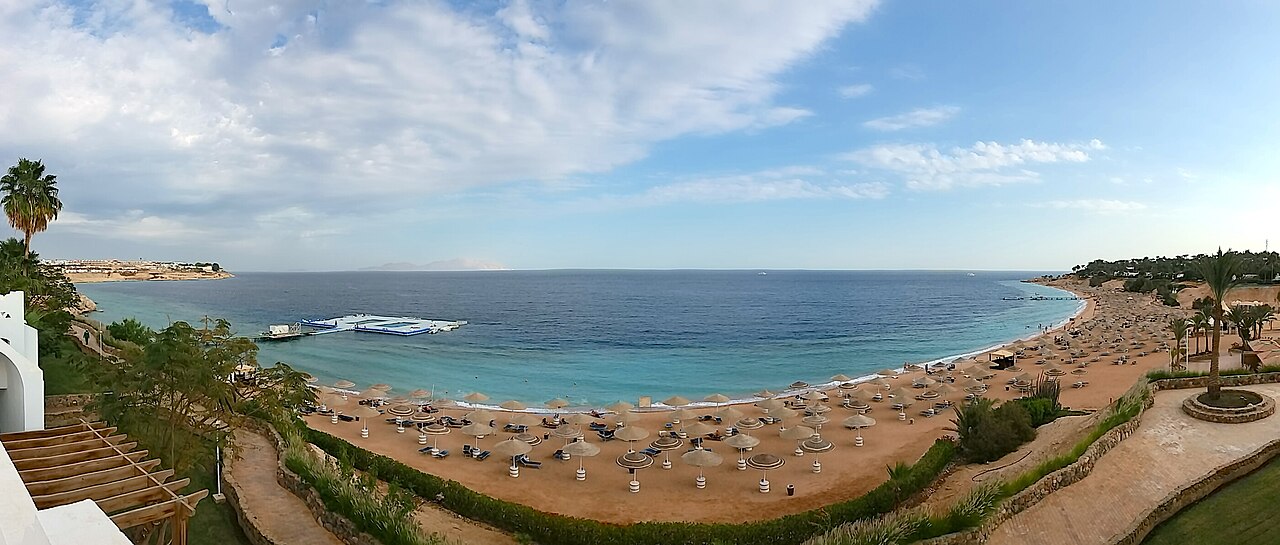
Many visitors consider autumn the best season. The air is warm rather than scorching, the sea is still holding the heat of summer, and both the boats and the desert are comfortable. Visibility for snorkeling and diving is usually excellent, and the evenings are warm enough for the promenade in a T-shirt. It is busy, but less than the holiday weeks at the end of the year, so book hotels and popular excursions in advance.
Winter (December to February): mild days, cool nights
Days are usually pleasant, in the low to mid twenties Celsius, which is ideal for the Old Market, quad bikes and long excursions such as Dahab and the Blue Hole. The sea is cooler, so many swimmers wear a rash vest or a thin wetsuit for longer snorkeling sessions, and divers often prefer a wetsuit. Nights are cold in the desert and very cold on Mount Sinai, so bring real layers if you plan the sunrise climb. The Christmas and New Year weeks are the most expensive and the busiest, and hotels and boat trips book up early.
Spring (March to May): warming up, sometimes windy
The sea warms up and the days are comfortable at first, becoming hot by May. Spring can bring windy spells, which can affect small boat trips, parasailing and water sports, so build some flexibility into your plans. Easter and school holiday weeks are busy, and shoulder periods outside them are good for value. This is a good time for Ras Mohammed and Tiran, when the water is clear and the days are long.
Summer (June to September): hot, with warm sea
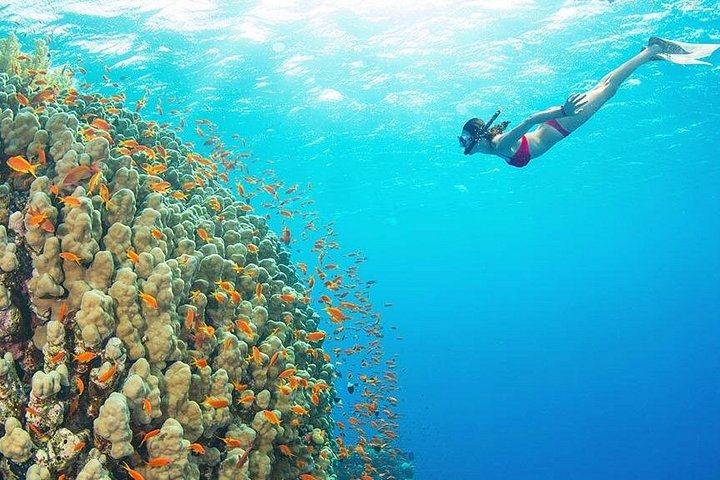
Summer is very hot, especially inland, and desert and mountain excursions need an early start. The advantage is the sea, which is at its warmest, perfect for long snorkeling sessions and for beginners who dislike cold water. Resorts are often cheaper in this period, and the larger ones keep their pools and air conditioning busy. If you travel in summer, schedule boat trips and activities for the morning, rest in the middle of the day, and carry plenty of water and a hat everywhere. A desert dinner is best at sunset or later.
Month by month in brief
January and February are the coolest months, with the best weather for walking and the least comfortable sea. March and April bring warm, bright days and pleasant swimming, May and June get hot quickly, and July and August are the hottest, with the warmest water. September is still very warm but quieter, October and November are usually the sweet spot, and December is mild but busy around the holidays. If you are flexible, travel in the weeks either side of the school holidays, when prices and crowds ease and the weather is just as good.
Diving and snorkeling
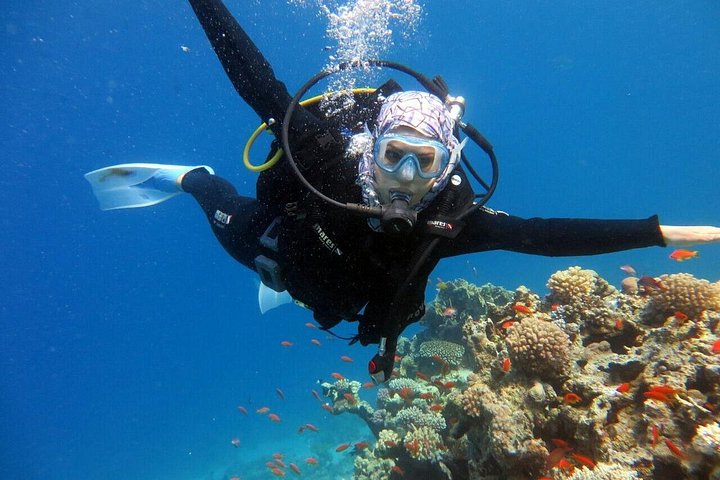
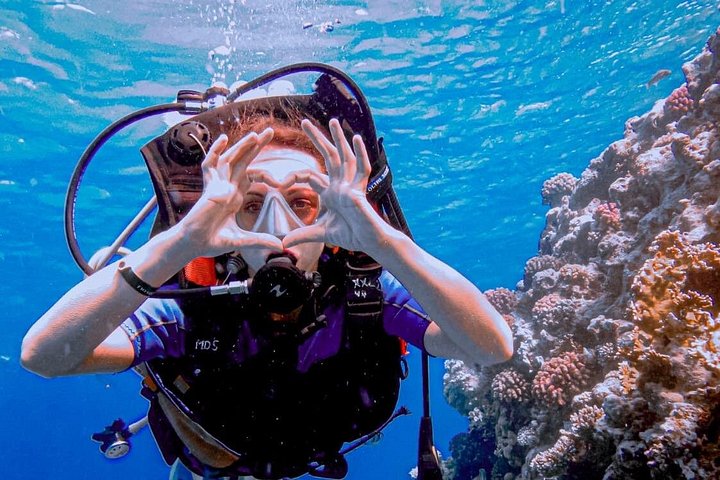
The reefs are good all year. Visibility is often best in autumn and spring, and the sea is warmest in late summer. If you want to try a first dive, any month works, but remember not to fly within eighteen to twenty-four hours of diving.
Ramadan
The holy month of Ramadan moves earlier by about eleven days each year, so check when it falls in the year you plan to travel. In tourist areas, hotels, resorts and most excursions carry on as normal, but local cafes and shops may have different hours, and the Old Market is quieter by day and lively after sunset. Dress modestly and eat and drink discreetly in public during daylight hours.
Crowds and prices
The busiest weeks are the Christmas and New Year period, Easter and the autumn school holidays in Europe. Prices for hotels and flights rise in these weeks, while late spring and early summer, and some of the quieter weeks outside school holidays, give better value.
What to pack
In every season, bring reef-safe sunscreen, sunglasses, a hat, water shoes for rocky entries and a rash vest. In winter, add a fleece or jacket for evenings, the desert and Mount Sinai. In summer, bring light long sleeves for sun protection on boats.
Our pick
For the best balance of weather, sea and value, aim for late October, early November or April. For the warmest water, choose late summer. For cooler sightseeing, choose winter, remembering that the sea is cooler too. Check your government's current travel advice for Egypt before booking, whichever month you choose.