Eating in Sharm el-Sheikh ranges from a street-side bowl of koshari to a hillside resort dinner, and the best approach is to mix the two. Here is how to eat and drink well, whatever your budget.
Start with the Egyptian classics
Koshari, a bowl of rice, lentils, pasta and chickpeas topped with tomato sauce and crispy onions, is the national comfort food and is cheap and filling. Ful medames, slow-cooked fava beans served with bread, and ta'ameya, the Egyptian falafel made with fava beans, are the usual breakfast. Look for molokhia, a green leaf stew served with rice or bread, and fatteh, a layered dish of rice, bread and meat with garlic and vinegar sauce. Grilled meats, kofta and shish kebab are available almost everywhere, and flatbread comes with most meals. Ask your hotel or guide to point you to a local place for a first taste.
Eat the fish
As a Red Sea town, Sharm is a good place for grilled fish and seafood. Many restaurants let you choose your fish from a display and name the cooking style, whether grilled, fried or baked with spices. Ask about the weight and how the price is worked out before you order, and check the bill at the end. Sayadeya, a fish and rice dish, is worth trying if you see it. On a boat trip, lunch is usually grilled fish or chicken with rice and salad, so you have a first taste on the water.
Where to eat
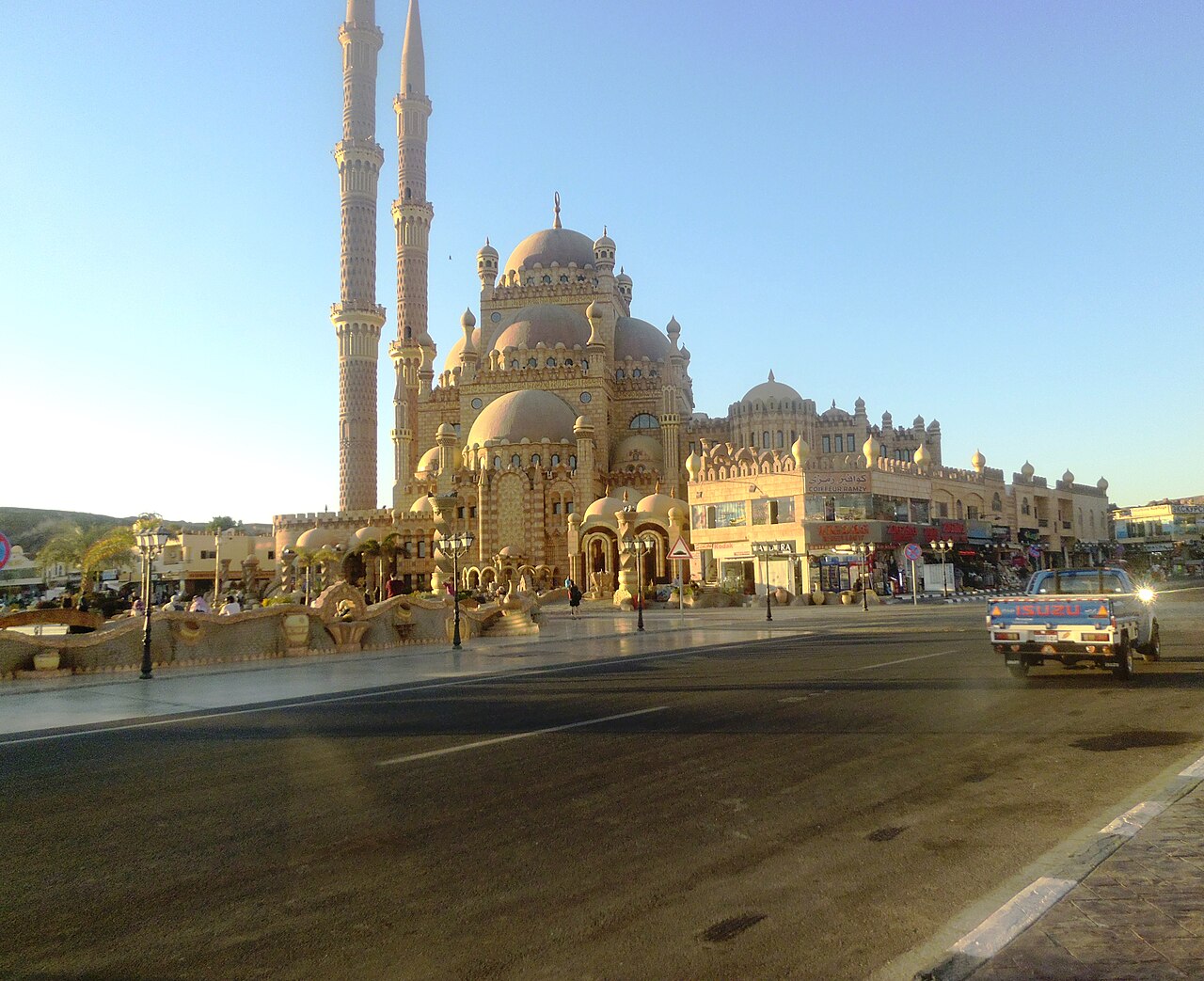
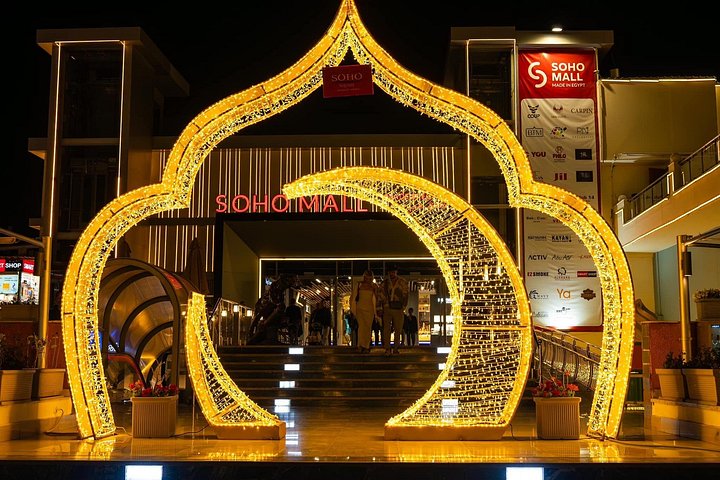
Naama Bay's promenade has the widest choice, with seafront terraces, shisha cafes and international restaurants, and it is lively late into the evening. The Old Market is the place for cheaper local food, grilled snacks, sweets and strong coffee, and prices there are usually lower than in the tourist areas. SOHO Square has a mix of chains and Egyptian restaurants in a planned plaza, which suits families. Hotels and resorts have their own restaurants, from buffets to à la carte venues, and the larger resorts include Italian, Asian and seafood options, so you can eat well without leaving the grounds. On all-inclusive plans, check which restaurants are covered and whether à la carte venues need a reservation.
Bedouin food in the desert
The desert dinner that follows a quad bike or camel ride is a good introduction to Bedouin-style cooking, usually grilled meat or chicken, rice, salad, bread and sweet tea around a fire. Special diets can usually be arranged if you ask when you book, so mention vegetarian or allergy needs in advance.
Tea, coffee and juice
Tea, often served strong and sweet with mint or sage, is the national drink, and a glass in a cafe is a pleasant break from the heat. Karkadeh, a cold or hot hibiscus drink, is refreshing in the afternoon. Fresh juices, including mango, guava, strawberry and sugarcane when in season, are widely available and cheap, and you can ask for no ice if you prefer. Egyptian coffee is thick and served with grounds, so sip slowly and leave the dregs.
Alcohol and etiquette
Egypt is a Muslim-majority country, and alcohol is generally served in hotels, resorts and some licensed restaurants and bars rather than in every cafe. Prices in resorts tend to be higher than at home. During Ramadan, the holy month whose dates move each year, many local cafes close in the daytime and hours change, though hotels and tourist areas generally keep serving visitors. Eat and drink discreetly in public places in the daytime during that month, and dress modestly away from the resorts.
Staying well
Drink bottled or properly filtered water, and avoid ice if you are unsure of its source. Choose busy restaurants with a high turnover, wash your hands before eating and carry hand gel on excursions. If you have a sensitive stomach, start gently with simple food for the first couple of days, and bring any medicine you normally use. Take plenty of water on boat trips and in the desert, since you lose more fluid than you notice.
Tipping and bills
A tip of around ten per cent is common in restaurants if a service charge has not already been added, and small tips for guides, drivers and boat crew are expected. Carry small notes. Check menu prices and the bill, particularly where fish is sold by weight, and politely ask for a recheck if something looks wrong.