Sharm el-Sheikh is a sea-and-desert destination first and a sightseeing one second, and the best trips mix the two. The resorts string out along the coast of the southern Sinai, so where you stay shapes your week. Here is how to plan it.
How many days
Five to seven nights is the sweet spot. That gives you two sea days, one desert evening, one town day, one long day trip and a day or two by the pool. With only three nights, book the Ras Mohammed and White Island boat trip, the desert dinner and an evening on the Naama Bay promenade, and skip the long excursions.
Book the sea first
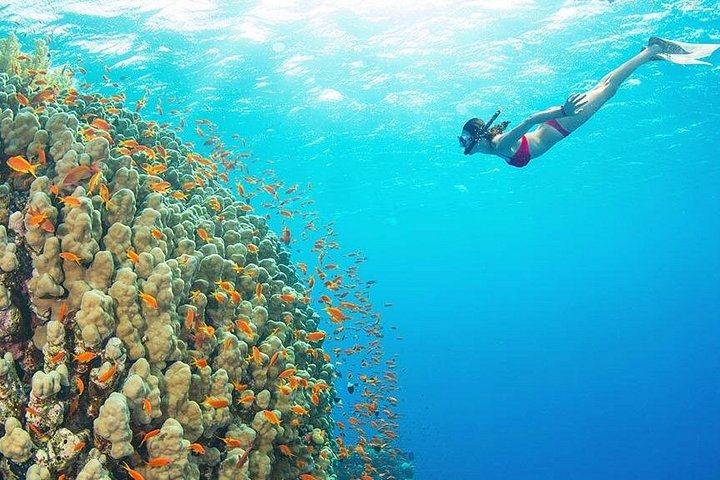
The reefs are the reason most people come. The Ras Mohammed and White Island yacht day is the easiest first-timer outing, with snorkeling gear, lunch and a sandbank beach. The Tiran Island trip is a more reef-focused second day. If you want to see the coral without getting wet, a semi-submarine or glass-bottom boat takes about two hours with a transfer. If you want to try scuba, a Discover Scuba Diving session needs no certificate, but leave eighteen to twenty-four hours before you fly home. For a shorter, land-based visit, the guided bus tour to Ras Mohammed National Park shows the headland, mangroves and a snorkeling stop. Many boat trips ask for passport details for the coast guard and charge park or government fees on top of the ticket, so read what is included.
Add one desert evening
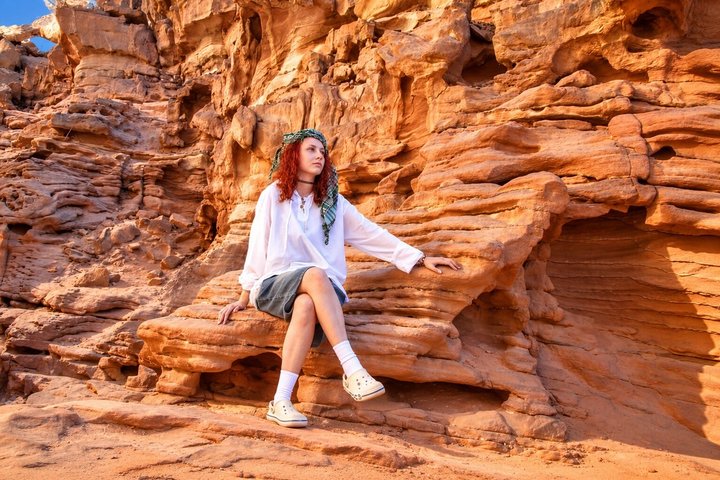
A quad bike ride, a camel ride, a Bedouin-style dinner and a show under the stars is the classic Sharm evening and balances the sea days. Wear long trousers, closed shoes and a scarf for dust, and bring a warm layer, as the desert cools after sunset.
Choose your day trip
Two long excursions leave from Sharm. The Dahab and Blue Hole day takes about nine hours by jeep and vehicle and mixes Salama Canyon, snorkeling, a camel ride and lunch at a beach tent. The Mount Sinai sunrise trip leaves in the night, climbs the mountain for dawn and visits St. Catherine's Monastery, and it lasts around seventeen hours, so plan a rest day afterwards. Do only one if your trip is shorter than a week.
Travel advisory
Check the current US State Department advisory for Egypt, or your own government's, before booking. The wording we reviewed lists Northern and Middle Sinai as Do Not Travel and says access to the Sinai is regulated and that emergency help can be limited anywhere on the peninsula. Sharm el-Sheikh, Dahab and St. Catherine are in South Sinai, which that wording does not name, but the advisory text and levels change, so read the current page and carry your passport on all excursions, as checkpoints are common.
Use the town
The Old Market and the Al Sahaba Mosque show the local side of Sharm, and a short guided city tour is an easy half day. Naama Bay is the best place for a free evening walk and dinner, with cafes, shops and dive centres along the promenade. Dress modestly for the mosque and bargain politely in the market.
Getting around
Airport transfers, taxis and arranged drivers are the norm, and nearly all excursions include hotel pickup. Agree taxi fares before you set off, carry small notes for tips and confirm your hotel with the operator, as outlying resorts can have extra charges. The resorts at Nabq and Shark's Bay are a short drive from the airport, while Naama Bay is the walkable heart of town.
When to go
Autumn to spring is warm and comfortable for the desert and the mountains. Summer is very hot but the sea is at its warmest, so schedule boats and the desert for early or late hours. Winter nights on Mount Sinai can be freezing, so pack real layers.
Our suggested plan
Day one, settle in and walk the Naama Bay promenade. Day two, the Ras Mohammed and White Island boat trip. Day three, a pool day and the Old Market. Day four, the Dahab and Blue Hole trip. Day five, a semi-submarine ride or an intro dive. Day six, the desert dinner. Day seven, rest, or Mount Sinai at sunrise if you want a big finish.