Shenzhen has a humid subtropical climate, which means warm weather for most of the year, a long hot and wet summer and a mild, drier winter. There is no bad time to visit, because the museums, malls and metro are air-conditioned, but the comfort of walking, beaches and viewpoints varies a lot. This guide explains the seasons so that you can choose the best time for your plans.
Autumn: the best season
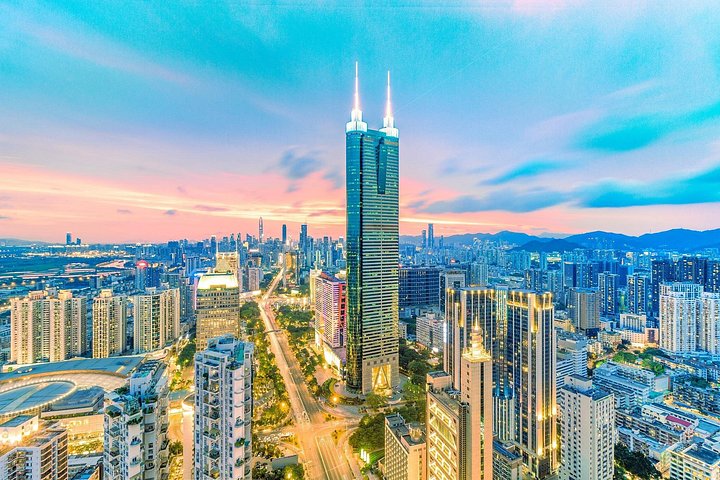
From about October to December, the air is drier, skies are clearer and temperatures are comfortable. This is the best time for walking, photography, hill parks and the coast. Views from observation decks are at their sharpest, and the sea is still warm enough for a swim in early autumn. Autumn is also the busiest time for trade fairs, so hotel rates can rise.
Winter: mild and easy
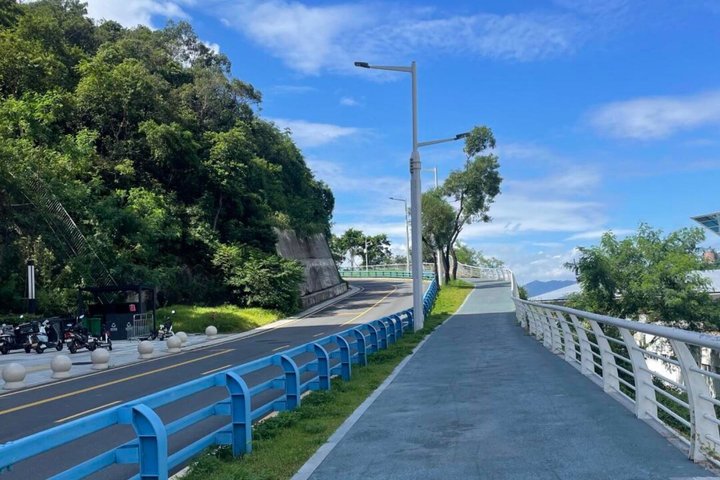
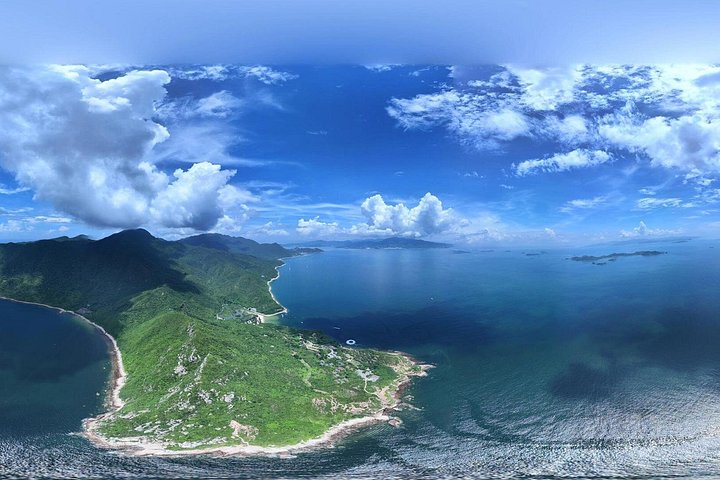
From January to February, days are usually mild with cooler evenings, and rain is light. It is a pleasant time for sightseeing, though a light jacket is useful at night and some days can feel chilly with wind. Winter is a good time to visit Lianhua Mountain Park, the Dapeng coast and the creative quarters. The Chinese New Year holiday brings a mass of domestic travel, closed shops and high prices, so plan around it.
Spring: warm and sometimes damp
From March to May, temperatures rise and humidity builds, with fog and drizzle at times. The parks are green and flowers bloom, and the air is soft. Spring is a good time for the Overseas Chinese Town attractions and the Safari Park, as long as you carry a light rain layer. Early May brings the Labour Day holiday and crowds at popular sights.
Summer: hot, humid and wet
From June to September, expect heat, humidity and frequent afternoon thunderstorms. Typhoons can bring heavy rain and strong winds, especially from July to September, and the authorities may close beaches and parks. The upside is warm sea water, long evenings and fewer international visitors. Plan outdoor activities for the morning, keep museums and malls for midday and carry water and an umbrella.
Holidays and trade fairs
Chinese national holidays, such as the Spring Festival and the October holiday week, fill trains, hotels and attractions. Prices rise and queues lengthen, so reserve early or avoid those dates. Large trade fairs in Shenzhen and at the exhibition center push hotel rates up, particularly in Futian and Bao'an. Check the dates if you are flexible.
Choosing by interest
For walking, photography and views, choose October to December. For beaches and swimming, choose late spring to early autumn, and watch the weather. For museums, malls and technology tours, any month works. For quieter streets and good value, consider January and February outside the New Year holiday.
Packing and preparation
Bring light, breathable clothing, a compact umbrella, sunscreen, comfortable shoes and a small bottle of water. Add a light jacket for winter evenings and air-conditioned spaces, which can be cold. Keep a power bank for long days and a way to pay by phone. Check the weather forecast daily, and be flexible with outdoor plans.
A simple rule
If you can choose, come in autumn. If you must travel in summer, plan an early start each day, keep afternoons indoors and always have a wet-weather option, such as a museum, a workshop or a tech tour. Wherever you are, the city rewards flexibility.
A quick month-by-month view
January and February are mild and dry, with cooler evenings. March and April warm up, with occasional fog and showers. May and June bring heat, humidity and the start of the rainy season. July and August are the hottest and wettest months, with the highest typhoon risk. September stays warm and stormy, while October, November and December are the sweet spot for clear skies and gentle temperatures. If your dates are fixed, prepare for the weather of that period and keep indoor options ready.
Light and photography
Photographers favour autumn and winter for crisp air and sharp skyline views, and the hour after sunset when the towers light up. Summer storms can produce dramatic skies, but visibility is lower. Coastal sunrises on the eastern side of the city reward early risers.
Crowds
Weekends are busy at parks and the coast, particularly in good weather. Weekday mornings are quieter at museums, markets and viewpoints. National holidays are the most crowded times everywhere, so build in extra time for transport and entry queues.