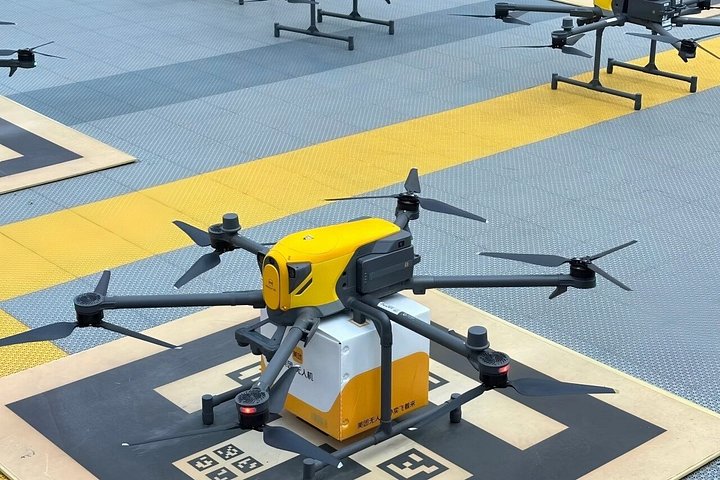
Shenzhen is often called the hardware capital of the world, and for good reason. Within a short distance of each other sit design studios, component suppliers, assembly lines and companies that make drones, phones, batteries, vehicles and robots. The city adopted new technology early and quickly, so everyday life here often feels a step ahead. For visitors, it offers a chance to see where products come from and how an innovation ecosystem works.
Start with a guided tech tour
A local guide is the easiest way to read the city. Tours visit brand showrooms, robot and drone displays, electronics markets and neighbourhoods where start-ups work, and they explain the history behind Shenzhen's growth as a special economic zone. Some routes include automated delivery or driverless vehicles when conditions allow. Tell the operator your interests so the route can focus on robotics, consumer devices or design.
Huaqiangbei: the electronics maze
The district around Huaqiangbei metro station is a series of malls and stalls selling components, gadgets and accessories. Engineers and hobbyists use it to source parts, while visitors enjoy the energy and the variety. A guide with translation helps you navigate and negotiate. Test items before you buy, ask about warranties, and be wary of products that seem too cheap or unbranded.
Science museum and DJI
The science museum offers hands-on exhibits that suit families and anyone who likes interactive displays. A visit linked with DJI, the drone maker, shows how a Shenzhen company grew into a global brand. Corporate sites are not generally open for factory tours, so expect a brand space or a showroom and ask the operator what is included.
MOCAUP and the planning story
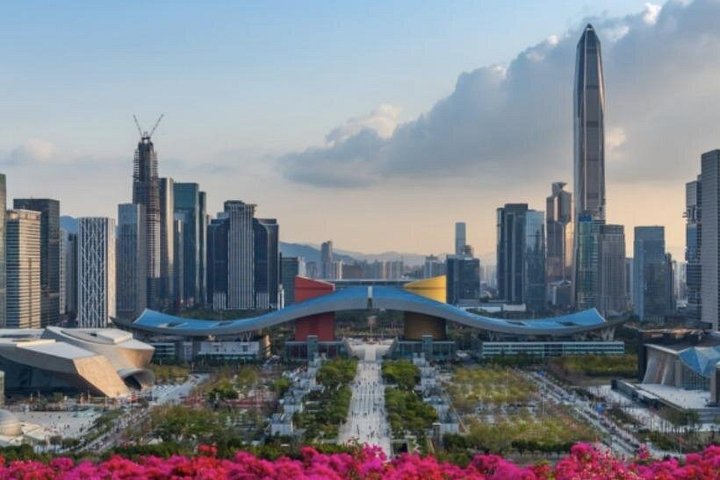
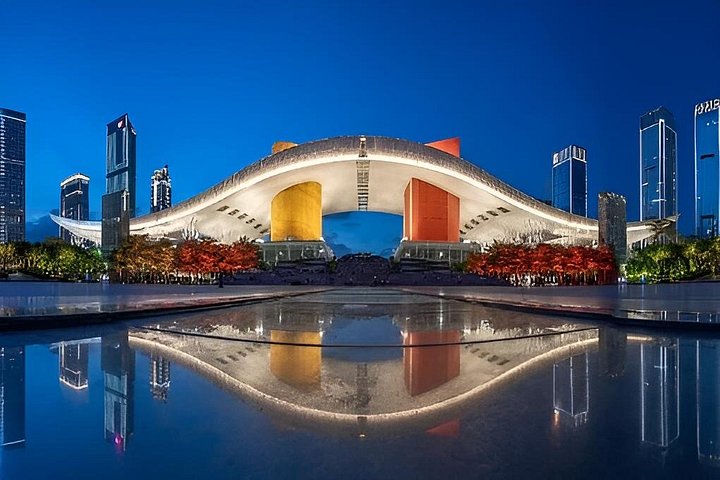
The Museum of Contemporary Art and Planning Exhibition combines art galleries with an urban planning exhibition, so it tells how the city was designed and imagined. The building itself is a striking example of contemporary architecture. A visit here gives context for the districts you see on the tech tour.
Hands-on workshops
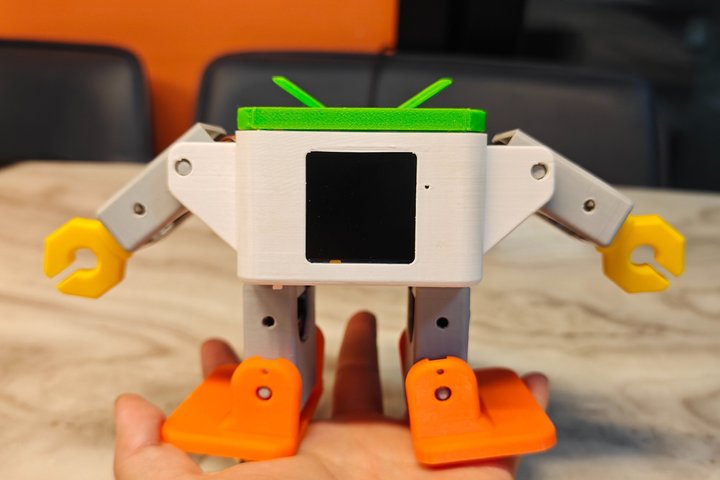
If you want to make something, join an AI robot workshop where you assemble and program a small robot with an instructor. Sessions suit beginners, teenagers and families, and they give a clear sense of how robotics works. They are also a good indoor option on a hot or rainy day.
Buying electronics
Shenzhen is a bargain hunter's dream, but quality varies. Stick to reputable stores for important purchases, check that devices work with your country's voltage and plugs, and keep receipts. Be aware of airline rules on batteries and power banks, and of customs rules when you travel home. Use a payment app or cash for small stalls, and compare prices at several counters.
Everyday technology
You will notice mobile payments, shared bikes, delivery robots in some areas, smart lockers and ride-hailing apps. Setting up a payment app before you arrive makes your trip smoother, and a translation app helps with menus and signs. Public Wi-Fi may need a phone number, so a local data plan or roaming option is useful.
Pairing tech with the rest of the city
Balance the screens with green space. Climb Lianhua Mountain Park for a view, cycle along the bay in the evening or spend a day on the Dapeng coast. Add the Overseas Chinese Town creative quarter for galleries and cafes. A good tech trip includes both the future and the places that give it context.
A sample tech day
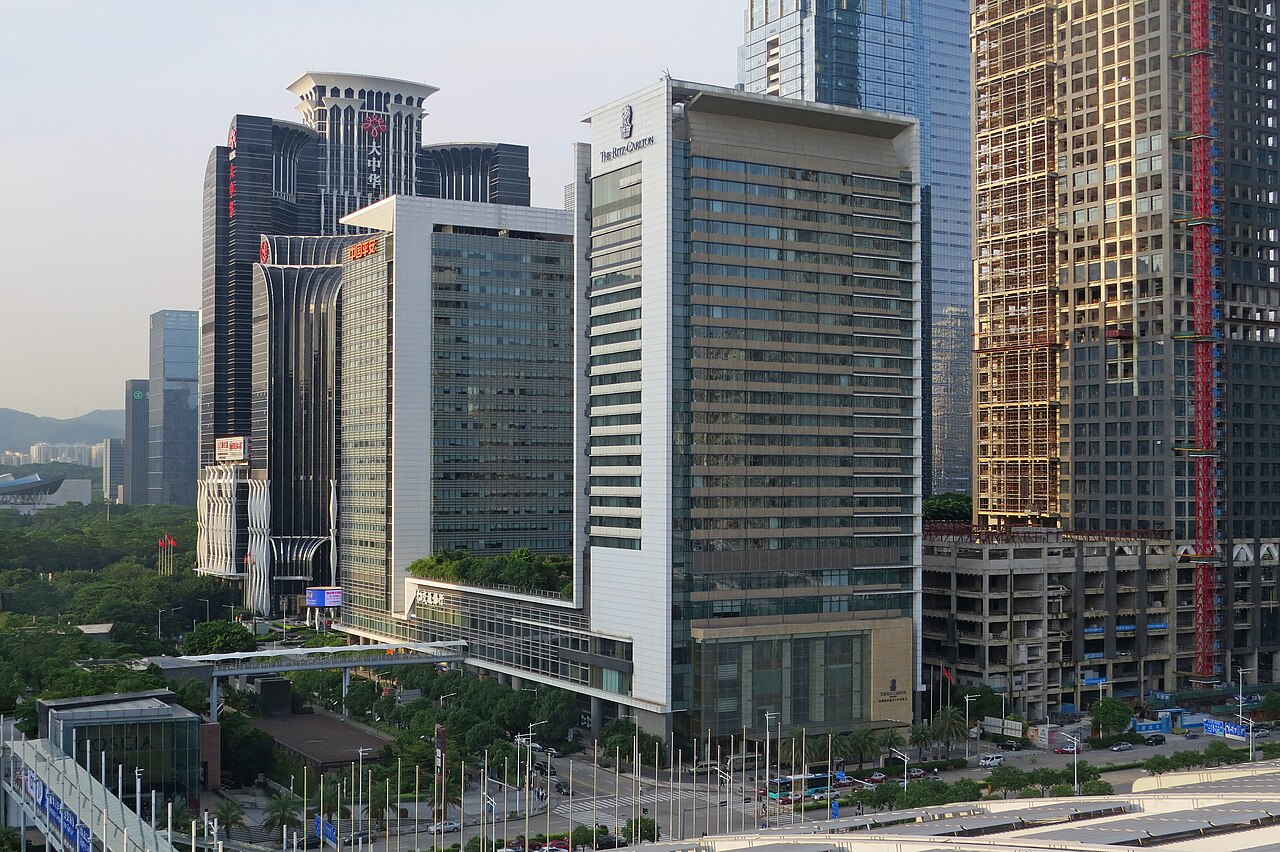
Begin at Huaqiangbei in the morning when shops open and crowds are lighter, then move to a guided tech tour or the science museum after lunch. In the late afternoon, visit MOCAUP to see the planning story, and end with a walk through the business district. If you still have energy, an evening robot workshop or a skyline dinner closes the day. Adjust the order to match opening hours and your interests.
Learning more
Ask guides and workshop instructors about the local maker community, the supply chain around the electronics markets and the way prototypes become products. Many are happy to share recommendations for books, shops and events. Even a short conversation can change how you see the devices in your pocket.
Respect and curiosity
Corporate sites and factories are working places, so follow signs and staff instructions, and ask before photographing people or equipment. Showrooms are usually welcoming, and staff often enjoy explaining products to curious visitors.