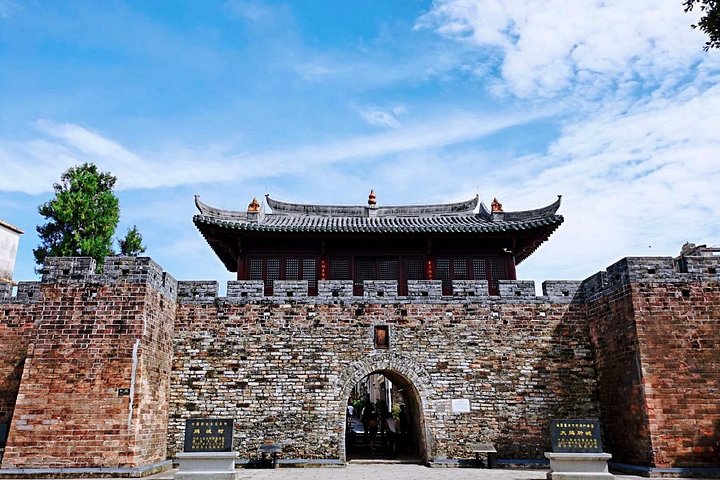
Shenzhen is the young giant of southern China, a city that grew from a cluster of fishing and farming villages into a metropolis of more than seventeen million people in a few decades. It sits on the border with Hong Kong, beside the Pearl River Delta, and is known for technology, design, manufacturing and a fast, modern urban style. For a first-time visitor it can feel like a city of glass towers and shopping malls, but there is much more underneath: walled coastal towns, hilltop parks, creative districts in old factories, long beaches and one of the most varied food scenes in China. It is easier to enjoy once you understand its shape and rhythm.
Understand the layout
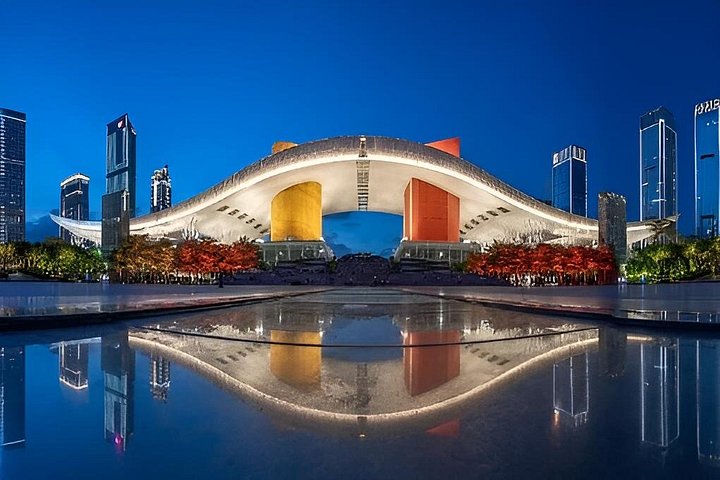
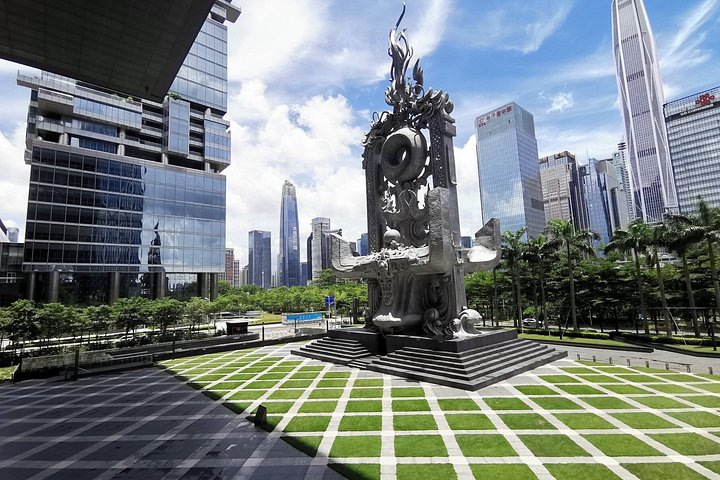
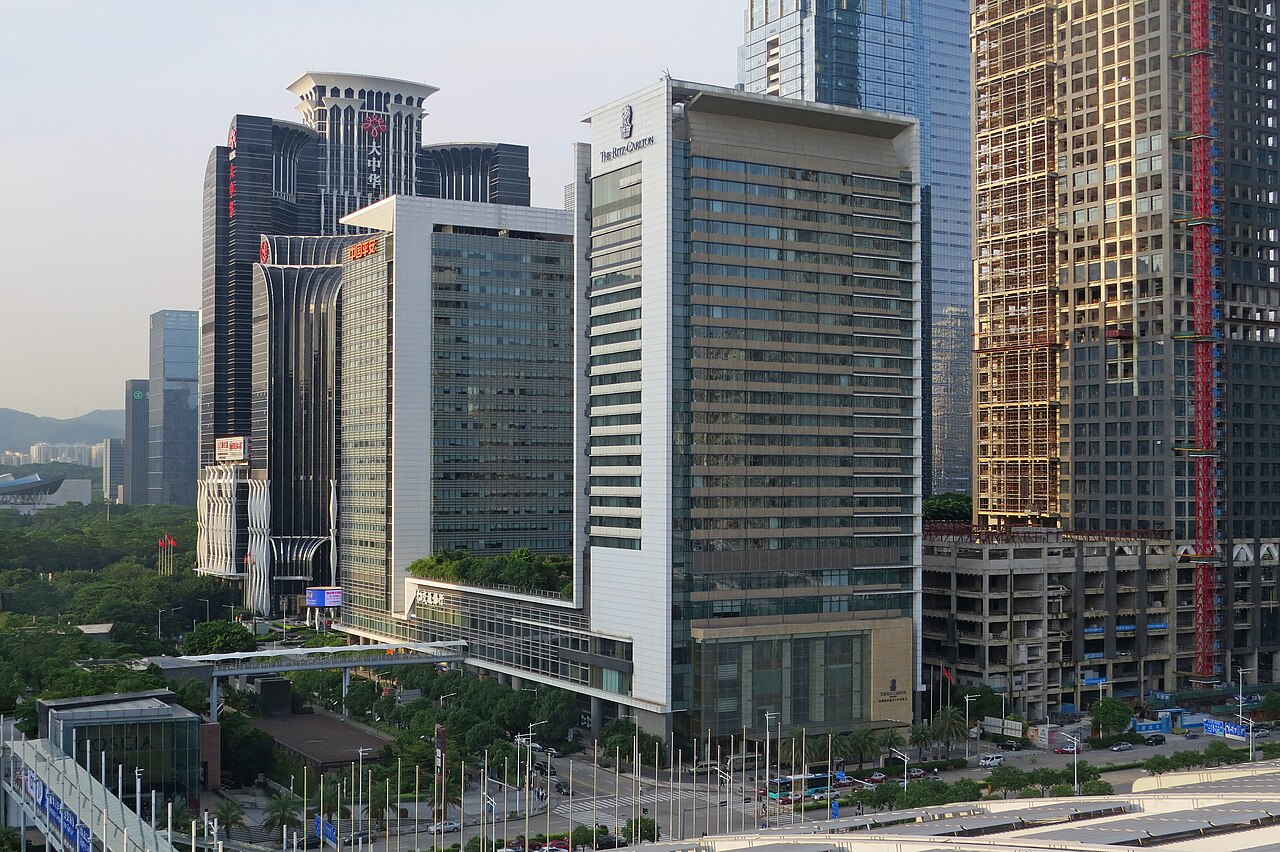
Shenzhen is a string of districts, not one centre. Futian is the modern heart, with the business towers, the Civic Center, the museums and the high-speed railway station. Luohu, beside the main border crossing and the old railway station, is the oldest commercial area, with Dongmen Old Street and the Diwang Building. Nanshan, to the west, holds the technology companies, the bayfront parks and the Overseas Chinese Town, where Window of the World, Splendid China and OCT Loft stand. Bao'an holds the airport and the exhibition center, while Longgang, Yantian and Dapeng to the east and north add villages, beaches and the Dafen art village.
The sights to see first
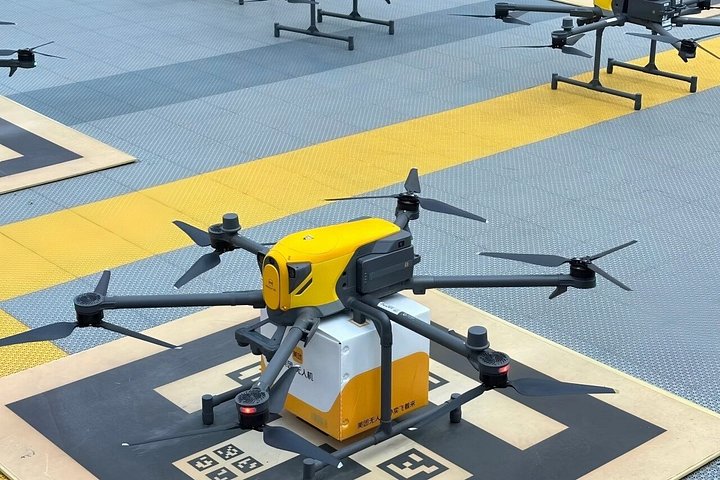
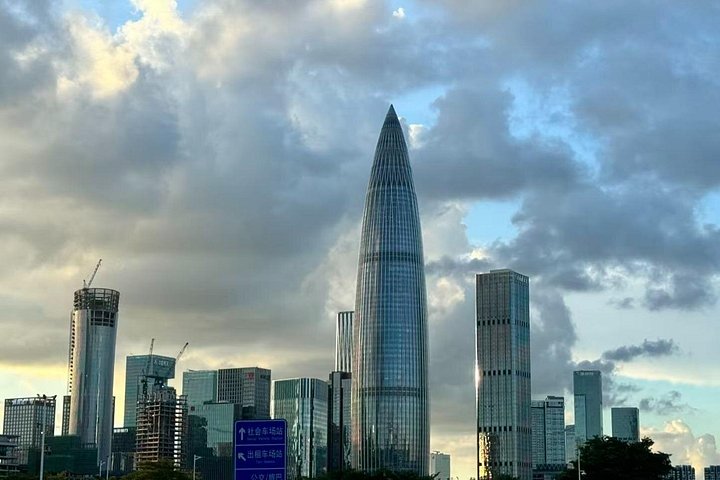
Start with the places that explain the city: the Shenzhen Museum for history, MOCAUP for planning and art, and a walk through the Futian business district for the skyline. Add Overseas Chinese Town for the parks and the creative quarter, Dongmen for local life and an observation deck for the view. If you are curious about technology, a guided tech tour and Huaqiangbei market are the signature experiences. For a break from the city, a day on the Dapeng Peninsula or at Dameisha gives sea air and quiet streets.
Getting around
The Shenzhen metro is modern, clean, air-conditioned and extensive, and it is the best way to cross the city, especially at rush hour. Signs and announcements are in Chinese and English, and you can pay with a mobile wallet or a transit card. Taxis and ride-hailing cars are inexpensive, though drivers rarely speak English, so keep your destination in Chinese on your phone or on a card from your hotel. For longer trips to the coast or the villages, a private car with a driver is convenient and often good value when shared.
Money, phones and apps
China is largely cashless, and most shops, taxis and even snack stalls expect payment through a mobile wallet. Foreign cards can usually be linked to the main payment apps, so set this up before you arrive if you can, and carry some cash as a backup because not every small vendor accepts cards. Many Western websites and apps do not work reliably without a suitable roaming connection or a tool, so download offline maps, a translation app and your hotel details before you go. Entry and visa rules change, so check the current requirements for your passport well before you travel.
Food and drink
Shenzhen is a city of migrants, so you can eat the cooking of nearly every province. Cantonese dim sum, roast meats and congee sit beside Hakka dishes, Chaoshan beef hotpot, Sichuan spice and fresh seafood from the coast. Tea is served with most meals, and many restaurants have picture menus or ordering through a phone code. Vegetarians should say clearly that they do not eat meat or stock, since many dishes use pork or broth. A guided food tour early in your trip gives you the vocabulary and a list of dishes to order again.
Weather and timing
Shenzhen has a humid subtropical climate, with hot and sticky summers, a rainy spell from late spring to early autumn and a mild, drier winter. Autumn is generally the most comfortable season, followed by spring. Typhoon season brings occasional heavy rain and wind, so keep flexible plans. Carry a compact umbrella and a water bottle all year, and take advantage of indoor attractions such as museums and malls during the hottest hours.
Language and etiquette
Mandarin and Cantonese are both heard in the city, and English is limited outside international hotels and big attractions. A smile and a translation app solve most problems. Queue for the metro, give up your seat to older passengers and keep your voice moderate in temples and museums. At meals, do not stick chopsticks upright in rice, and expect shared tables in busy restaurants. Carry your passport, since hotels, border crossings and some attractions ask for it.
How long to stay
Two days cover the main city sights and a tech visit, while three or four days let you add the coast, the creative quarters and a day trip. If you are crossing from Hong Kong or heading on to Guangzhou, even one full day gives you a museum, a market and a good meal. The three-day itinerary guide shows how to combine these. Whatever your plan, leave a little room for wandering, because some of the best moments in Shenzhen come from an unplanned walk through a park or a new district.