Sibiu is a city for all seasons, but each season gives you a different trip. The old town is open year-round, the museums keep their doors open in winter, and the Saxon villages are rewarding at any time. What changes is the weather, the crowds, and above all the mountains, where the famous high roads and lakes follow a strict seasonal calendar. Here is how to choose.
Spring, April to early June: quiet and fresh
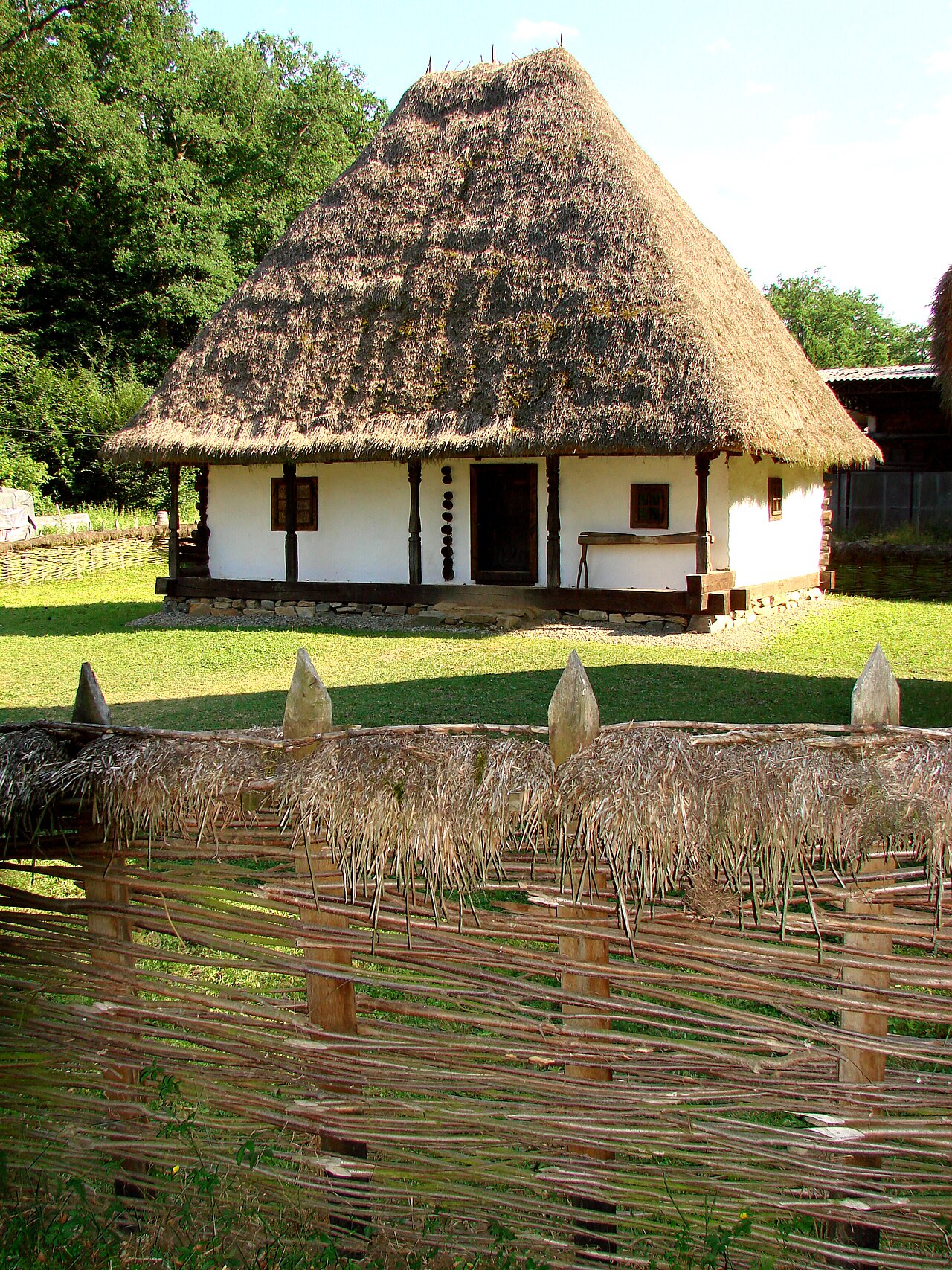
Spring is a lovely time to visit. The orchards in the villages blossom, the squares fill with cafe tables again and the crowds are small. Temperatures are mild but changeable, with sunny days and sudden showers, so bring layers and a waterproof jacket. The open-air ASTRA museum reopens its full season, the Saxon day trips are at their greenest, and hotel rates are usually lower than in summer or at Christmas. The high Transfagarasan road is normally still closed for snow until about June, so do not plan a mountain drive for early spring. It is a good season for Sibiu's museums, the cathedral and the Saxon villages, which makes it ideal for culture-focused travellers.
Summer, June to August: festivals and mountain roads
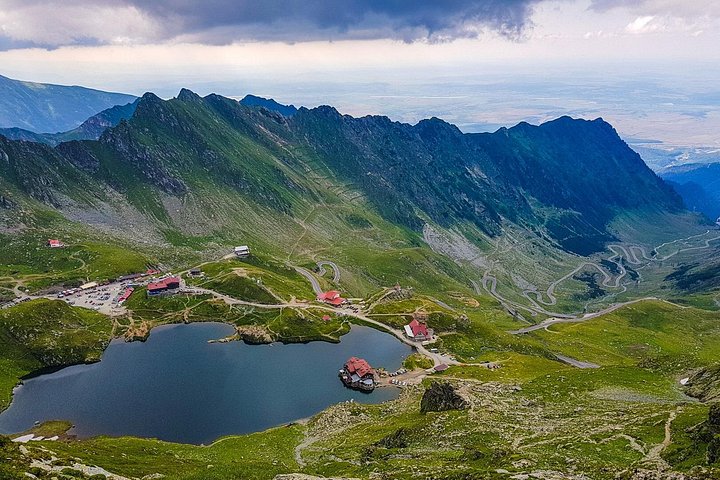
Summer is the busiest and liveliest season. The squares host concerts, theatre and festivals, terraces stay open late and the long days leave plenty of time for sightseeing. The Transfagarasan road and the cable car to Balea Lake are normally open, so this is the season for scenic drives, hikes and Poenari Fortress. Temperatures can be hot in the city, especially in July and August, and mountain weather can turn quickly, so carry a layer even on warm days. Expect higher prices and busier weekends, and book hotels and day tours early. A weekday morning is the best time to see the squares without the crowds.
Autumn, September to October: golden light and calm
Autumn is perhaps the best time for many visitors. The summer crowds fade, the weather is often settled and warm into September, and the hills turn gold and red. It is a superb season for the Saxon villages, the castles and the shepherd villages of Marginimea Sibiului, where the harvest is in full swing. The mountain road and lake usually stay open into the early part of autumn, but the high Transfagarasan closes when snow arrives, often by late October, so check conditions before you plan a drive. Evenings turn cool, so pack a warm layer.
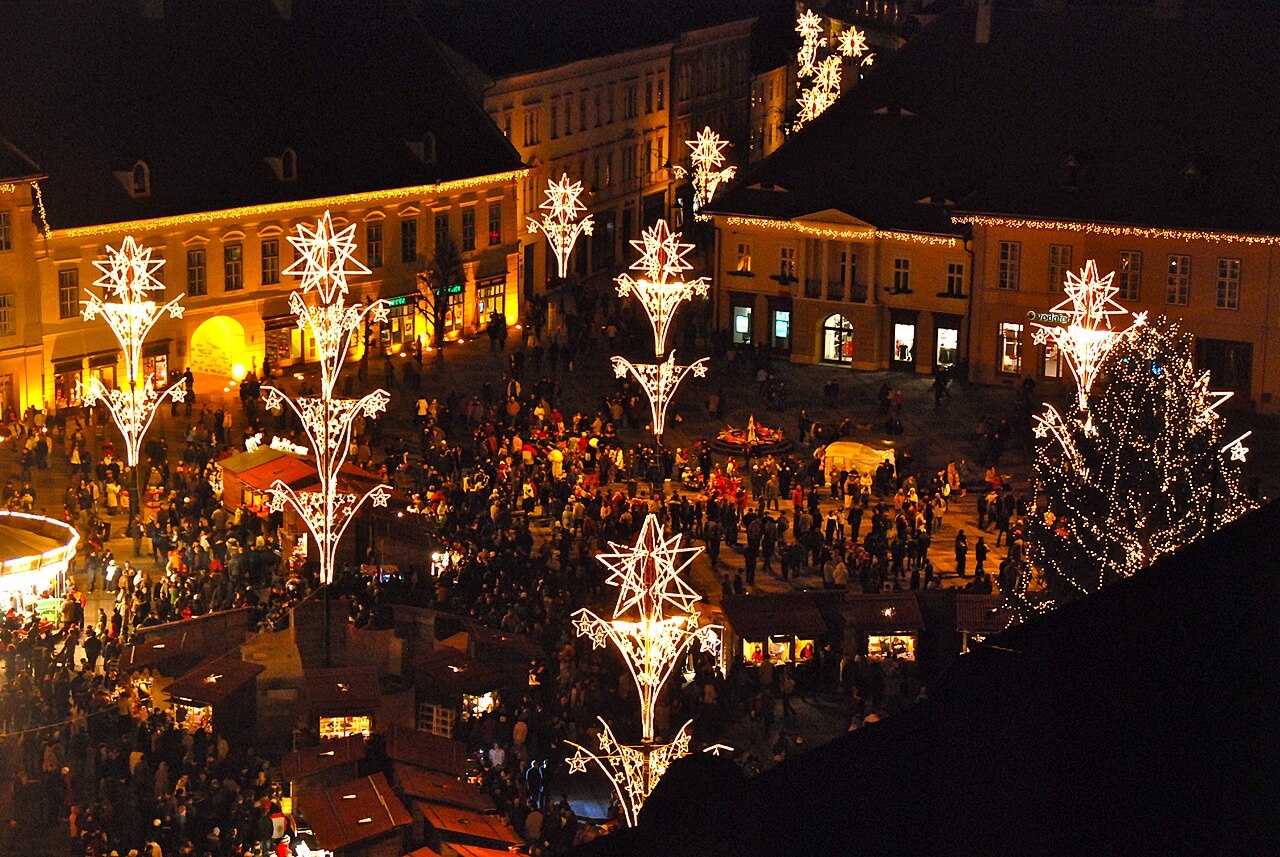
Winter, November to March: Christmas market and cosy museums. Winter is cold, damp and atmospheric. The big draw is the Christmas market, which fills the Large Square from mid-November to early January with stalls, lights, rides and festive food, and attracts visitors from across Romania and abroad. The old town is at its most photogenic with lights and snow, and the museums, cathedral and cafes offer warm refuges. Days are short, cobbles can be icy and some attractions keep shorter hours, so plan indoor stops and wear shoes with good grip. The high mountain road is closed for the winter, and the lake area is serious winter terrain that should only be visited with proper clothing and a guide. The Saxon churches and castles remain open on reduced schedules, so confirm hours before a day trip.
Crowds and prices
The busiest periods are summer weekends, major festivals and the Christmas market weekends, when old-town hotels fill up and rates rise. For the best balance of weather, crowds and cost, aim for May, early June, September or early October. For atmosphere and festive lights, accept the cold and crowds and go in December.
What to pack
In every season, bring comfortable shoes with grip for the cobbles. In spring and autumn, add layers and a waterproof jacket. In summer, pack sun protection, a hat and a light jacket for the mountains. In winter, bring a warm coat, hat, gloves and boots, and be ready for early dusk.
Our pick
If you can choose freely, go in late spring or early autumn for the best mix of weather, fewer crowds and open roads and sights. If you love Christmas markets, go in the weeks leading up to Christmas and book early. Whenever you go, leave room in your plan for changes in weather and check seasonal opening hours for the mountains, the open-air museum and the smaller churches.