Sicily is big. It is the largest island in the Mediterranean, and the distances between its headline sights are longer than the map suggests. The trick to a good first trip is to choose two or three bases and treat everything else as a day trip. Palermo in the northwest, Catania and Taormina in the east and a stop in Syracuse or Agrigento in between cover most of what first-timers want.
What to book ahead
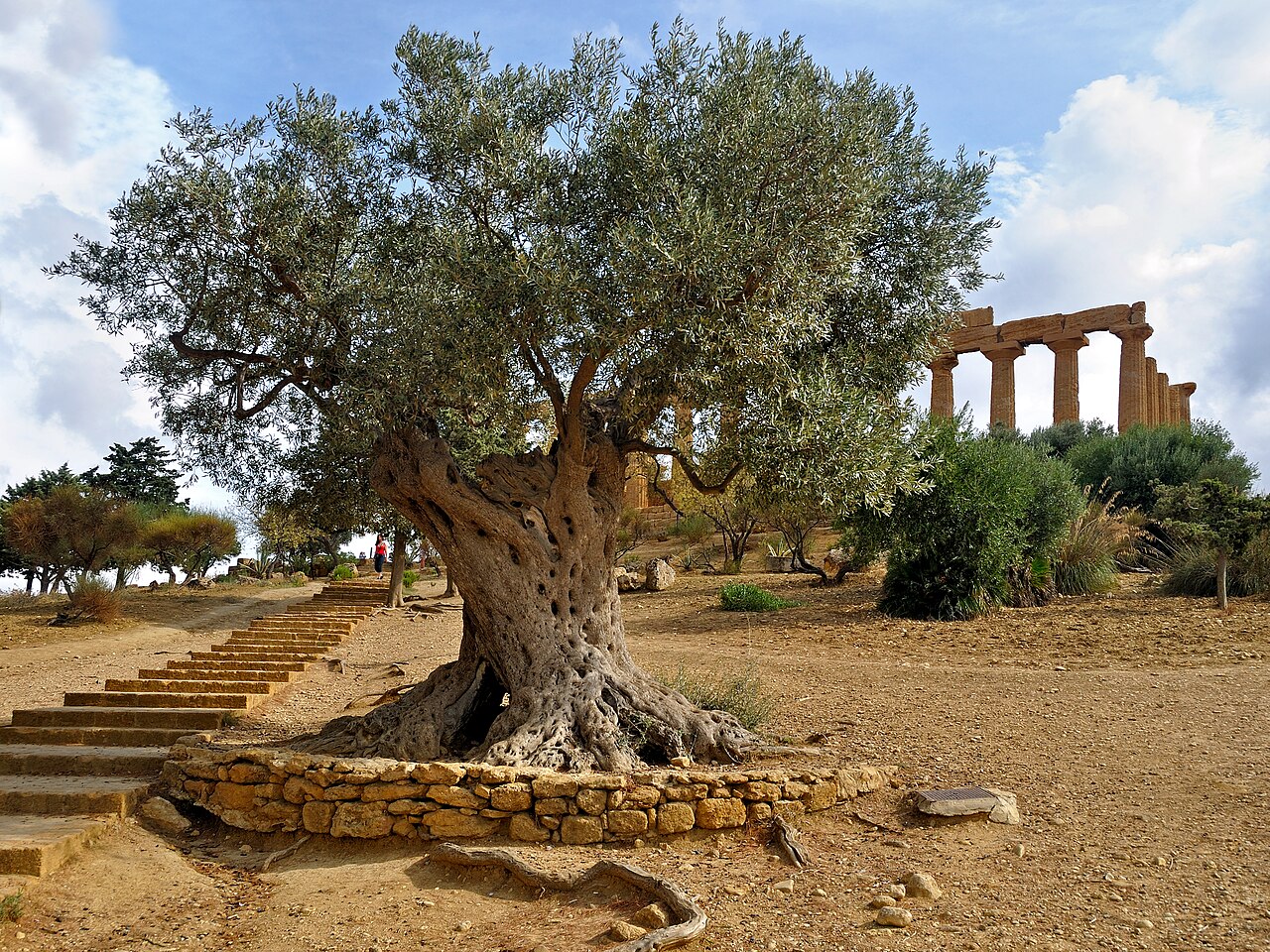
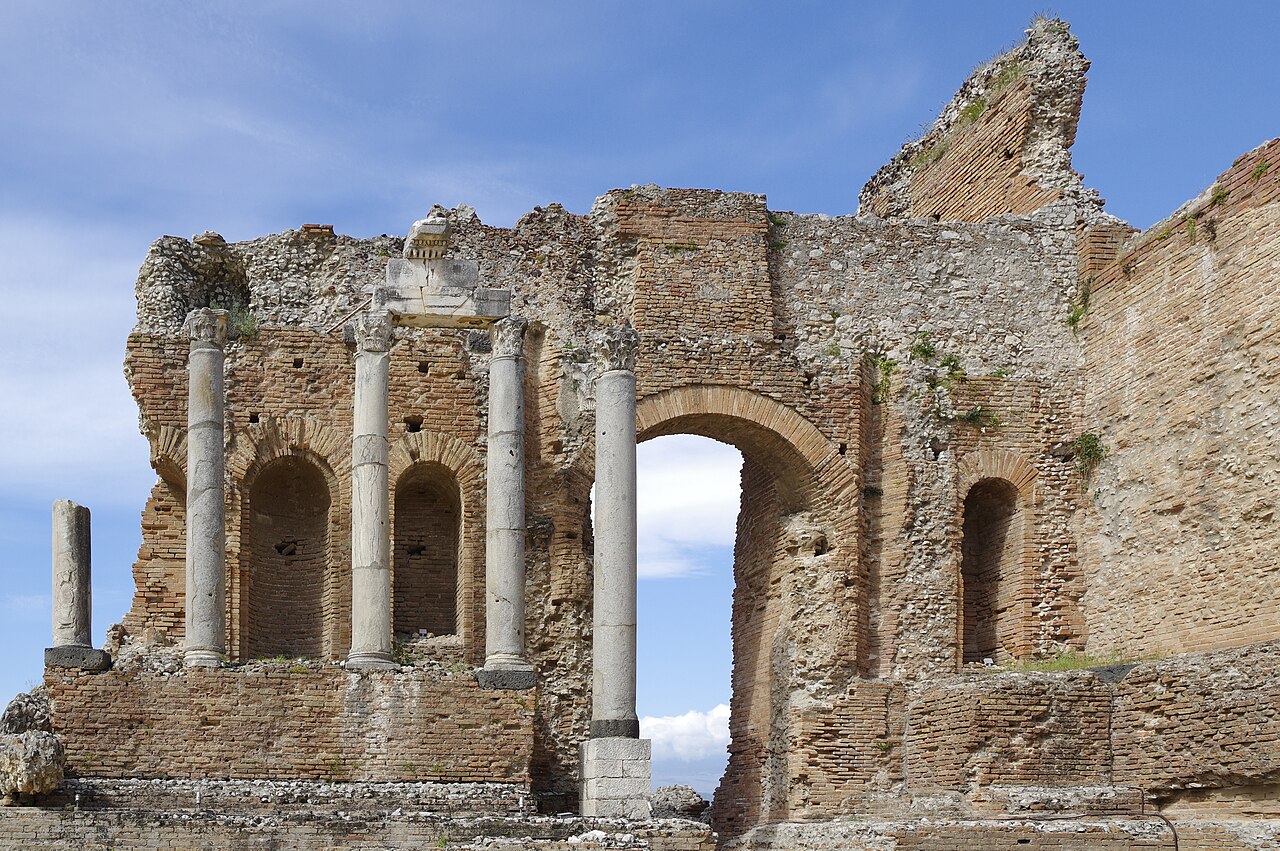
A few things reward planning. The Palatine Chapel and Norman Palace in Palermo sell timed or guided entries and have restricted days, so book early. The Greek Theatre of Taormina and the Valley of the Temples in Agrigento are busy in spring and summer, and timed tickets save queueing. A Mount Etna excursion depends on weather and volcanic activity, so reserve it early in your stay to leave a spare day. Food tours in Palermo and Catania run in small groups and fill up, and the Teatro Massimo performances can sell out in season.
How many days
With five days, split Palermo and Taormina or Catania, adding Monreale and one day trip. With a week, use three nights in Palermo, three in Taormina or Catania, and a night in or near Syracuse. With ten days, add Agrigento and Cefalù without rushing. Anything under four days is best spent on one side of the island.
Palermo: two to three days
Start with a street food walk to find your bearings, then the Norman Palace and Palatine Chapel, the Cathedral and the Quattro Canti. Spend a half day at Monreale Cathedral and its cloister. If you like opera or architecture, tour or attend a performance at the Teatro Massimo. Cefalù is an easy day trip by train or tour, with its Norman cathedral and its beach.
Catania and Taormina: three days
Catania is the working city with the fish market, the black baroque centre and the best arancini. Use it as the base for Etna and Syracuse. Taormina is smaller and prettier, with the Greek Theatre, a walkable Corso and sea views, but it is touristy and pricier. Many visitors sleep in Taormina and day-trip to Etna, or sleep in Catania for convenience and take the train to Taormina for an afternoon.
Syracuse and Agrigento
Syracuse and Ortigia reward a full day, with the Greek theatre at Neapolis in the morning and the island in the afternoon, and it is about an hour from Catania. Agrigento's Valley of the Temples is roughly two hours from Palermo or Catania and works best as an overnight or a long day trip.
Getting around
Trains are good along the coasts, for example Palermo to Cefalù and Catania to Taormina or Syracuse, but they are slower and less frequent inland and to Agrigento. Buses fill the gaps. A rental car gives freedom, particularly for Agrigento and the Etna wine country, though city driving and parking in Palermo and Catania are stressful, and many old centres restrict traffic, so use taxis or walk in town. Guided day trips are a good compromise, especially for Etna, where a local guide handles the road and the restrictions.
When to go
Spring and autumn are ideal, with warm days, fewer crowds and open sights. July and August are hot and busy, so start early and plan beach time. Winter is mild on the coast but some seasonal businesses close, and Etna may offer snow.
A few honest tips
Eat where locals eat, avoid menus aimed at tourists on the main squares and try arancini, panelle, granita and fresh ricotta pastries. Cover your shoulders and knees in churches. Carry some cash for markets and small cafes. Above all, do not try to see everything: Sicily rewards slow travel, a long lunch and a second look at a place you love.