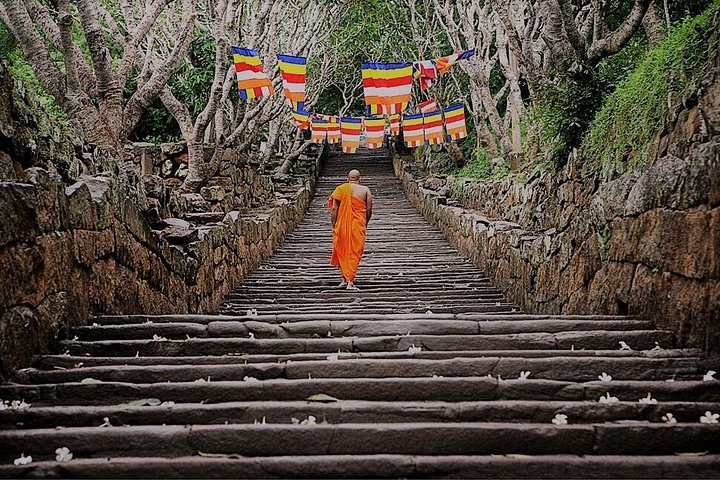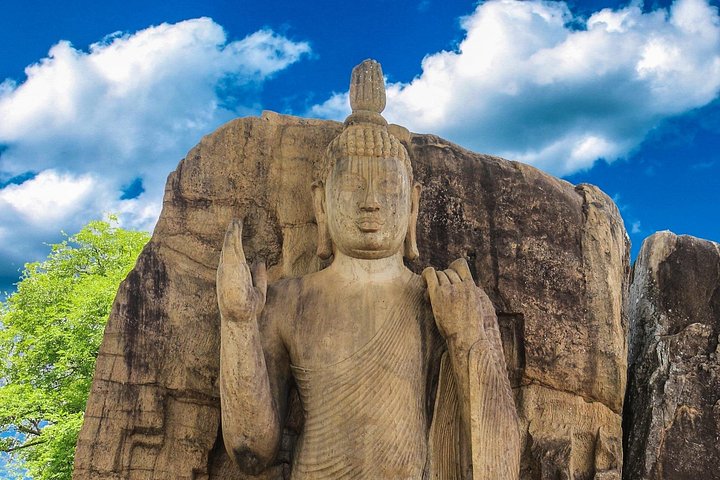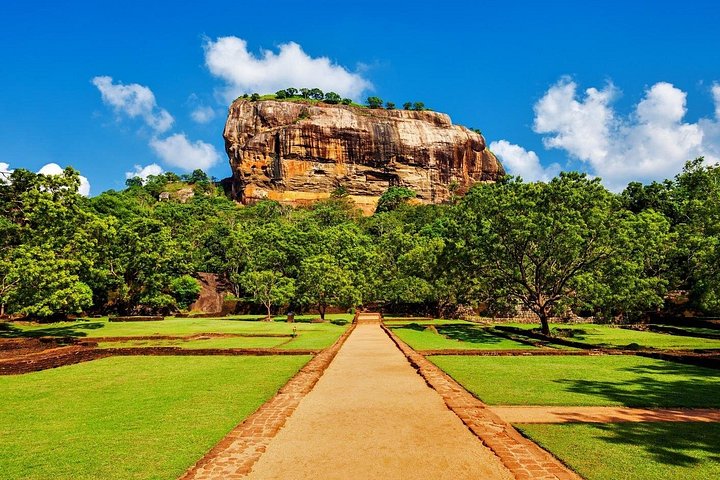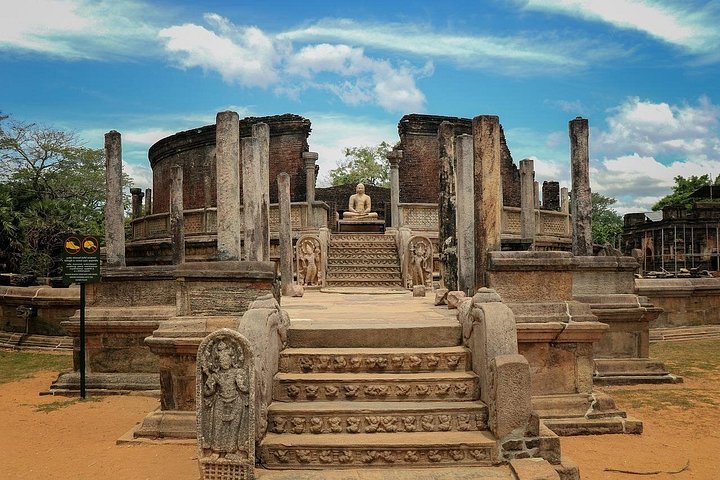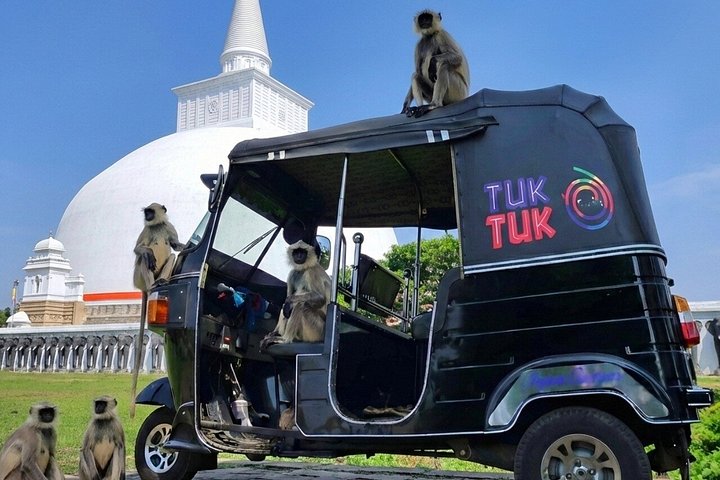
Anuradhapura is too big to cover comfortably on foot, and the heat makes walking between the sites tiring. A tuk-tuk solves the problem neatly, and it also adds a sense of adventure. The open sides give you the breeze and the smells of frangipani and incense, the driver knows the shortcuts and the quiet back lanes, and you can hop out and in at each site without worrying about parking or a car park fee. An audio guide supplies the history that a driver cannot always deliver. As you reach each major monument you listen to a narration of its founding, its builder and its meaning, with background on the symbolism of stupas, moonstones and guardstones. The format suits independent travellers who prefer to take their time, replay sections and linger where something catches their eye, and it works well for couples and small families who want a private feel without a full guide. The route typically takes in the principal monuments: the sacred Bodhi tree, Ruwanwelisaya, Thuparama, Jetavanaramaya, the Abhayagiri ruins and the twin ponds. Along the way the tuk-tuk passes ancient reservoirs and lanes lined with monks' residences and shrines. The driver stops at the ticket office and the main entrances and can suggest the best times for photographs and the shadiest spots for rest.
What is usually included
A private tuk-tuk with a driver and an audio guide for the sites, as the title says. Entrance fees to the archaeological areas and any donations at shrines are normally separate. Ask whether bottled water is provided and whether the audio guide is in your language before you book.
What to expect
The tuk-tuk is open-sided and light, so you will feel the heat and dust, but you also get plenty of airflow and unobstructed views. Seats are a little firm, and the roads can be bumpy. At the sacred precincts you remove shoes and hats and cover shoulders and knees, and there are sandy paths and hot stone, so socks help. The driver waits while you explore, and you can ask to spend longer at places you enjoy or skip those that do not appeal.
Making the most of it
A morning start gives you cooler temperatures and softer light, and late afternoon tours let you see the stupas glow and pilgrims gather for evening devotions. Carry water, a hat and sunscreen, and keep valuables close when you step out. If you want more depth, combine the audio guide with a conversation with the driver, who is often a source of local stories and recommendations for lunch.
Who it suits
Independent travellers, families with children who tire easily on foot, and anyone who values flexibility. It is a pleasant, relaxed way to see a very large site, especially when you do not want to commit to a rigid group schedule. If you would like a deeper understanding of Buddhist customs and the stories behind the monuments, consider a guided small group tour instead, or pair this with a guide at the Bodhi tree.
A practical note
Because the audio guide is self-paced, it helps to read a little about the city beforehand and to download any maps offered, so you can decide which sites deserve a longer stop. Take a small bag with a water bottle, tissues and some small notes for donations at shrines, and keep your phone charged for photographs.
What to expect
The experience
A private tuk-tuk tour of the main monuments of Anuradhapura with a driver and an audio guide that explains each stop.
Best time
Morning or late afternoon, when it is cooler and the light is soft.
How long
Three to five hours depending on how long you stay at each site.
Tips
Bring water, a hat and sunscreen, wear socks for hot stone and carry cash or a card for the entrance fee.
Quick picks
- Best for
- Independent travellers who want to see the ancient city at their own pace.
- Families
- A great way to cover the distances with children, who tend to enjoy the tuk-tuk ride.
- Couples
- A relaxed shared ride with the breeze, stopping wherever you like.
- Pair with
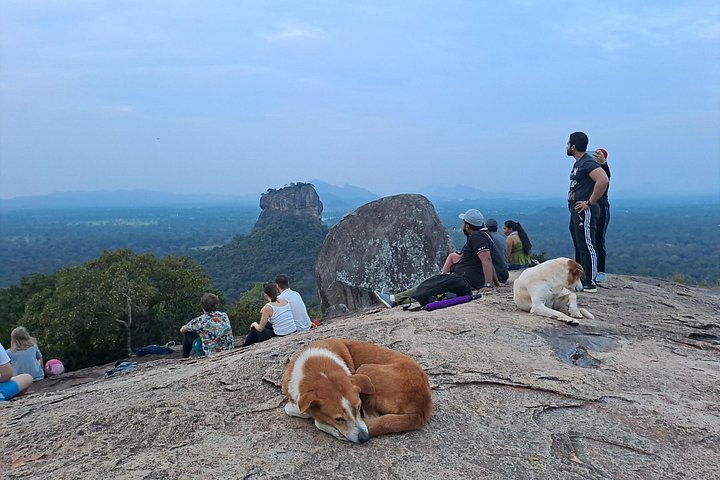
- Mihintale at sunrise or sunset, or a guided visit to the Bodhi tree.
- Time needed
- Half a day.
Good questions
Is the entrance fee included?+
Usually not. You pay at the ticket office on the day, so carry cash or a card.
Is the audio guide in English?+
Check the language options when you book. English is the usual choice, with others sometimes available.
Is a tuk-tuk comfortable?+
It is open-sided and simple, with firm seats and a breeze. Most visitors find it fun and practical for short distances between sites.
Can we stop for photos?+
Yes, the driver can stop wherever you like, and many visitors stop at the reservoirs and quiet lanes as well as the monuments.
How long does the tour take?+
Between three and five hours, depending on how much time you spend at each monument.