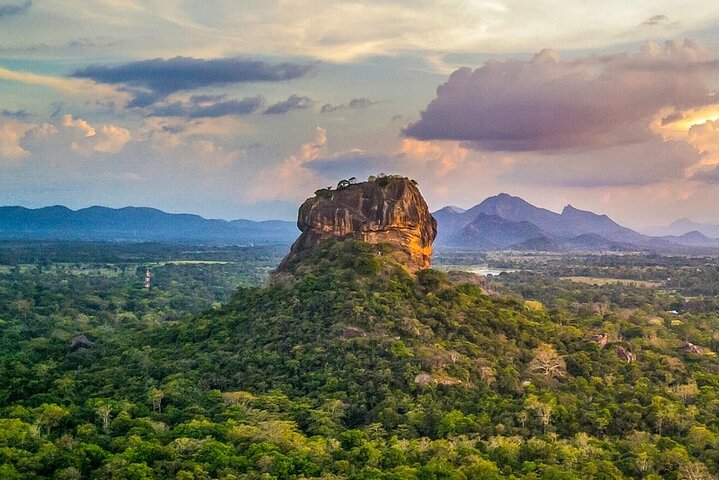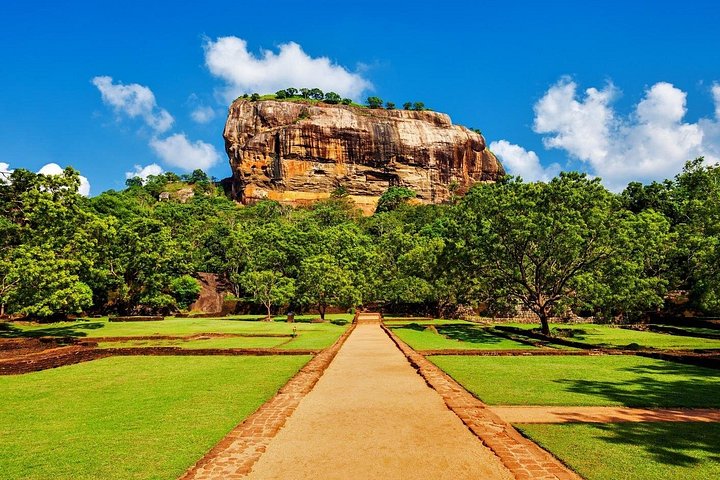
The Cultural Triangle is the part of north-central Sri Lanka where the island's great ancient cities, rock fortresses and cave temples sit within a few hours of one another. Sigiriya, with its rock palace rising out of the forest, is the best-known sight, and the village around it is the most popular base. Around it you find Dambulla's painted caves, the medieval capital of Polonnaruwa and the sacred city of Anuradhapura, plus national parks where wild elephants gather. This guide explains how to plan a first visit.
How many days
Two nights is the minimum to see Sigiriya and one or two companions, while three or four nights allows a more relaxed pace and a safari. A realistic first itinerary is Sigiriya Rock on the first morning, a village or kayak outing in the afternoon, Polonnaruwa on the second day and an elephant safari the same afternoon. Add Dambulla on the way in or out, and give Anuradhapura a separate day if your interests are historical or spiritual.
Choosing a base
Most visitors stay in or near Sigiriya village, which is closest to the rock and Pidurangala. Dambulla and Kandalama are good for the caves and lake views, Habarana is the most central for Polonnaruwa and the parks, and Anuradhapura is best for the northern sights. If you have time, split your stay between two of these so you spend less time in the car.
The headline sights
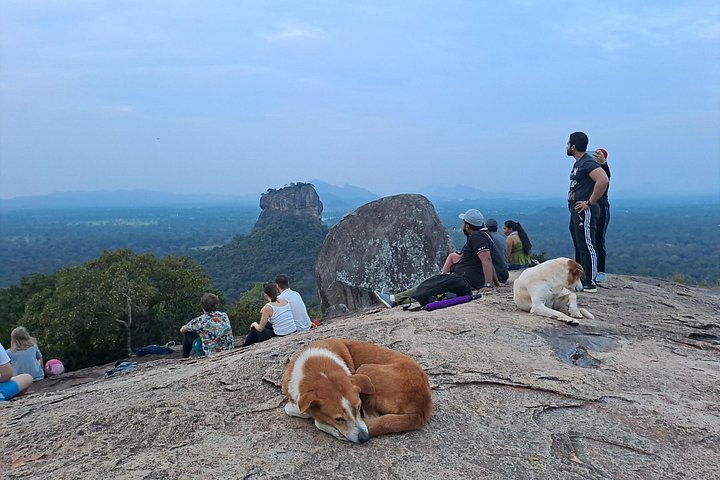
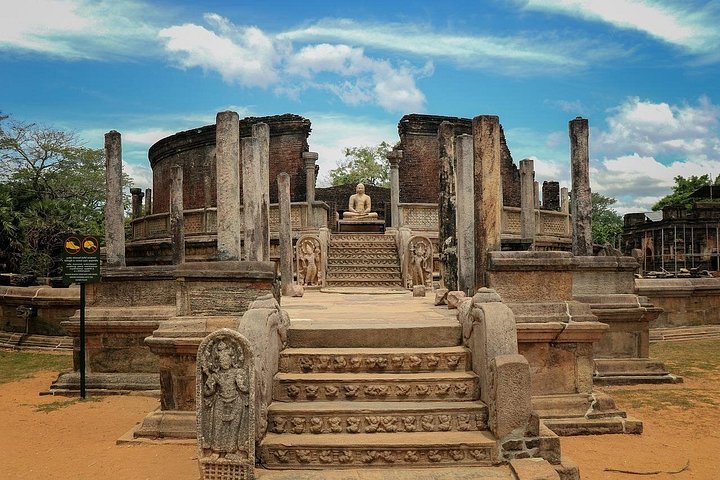
Sigiriya is the star: a fifth-century palace on a granite rock, reached by a long climb through gardens and stairways. Pidurangala, the neighbouring rock, offers the best view of Sigiriya itself. Dambulla's cave temples hold painted ceilings and Buddha statues, Polonnaruwa has its Gal Vihara rock-cut Buddhas and royal ruins, and Anuradhapura has the sacred Bodhi tree and enormous stupas. Mihintale, where Buddhism arrived on the island, is a rewarding climb at sunrise or sunset.
What to book ahead
Entry to the main sites can usually be bought on the day, but guides, drivers and safaris are worth arranging a day or two in advance, especially in busy periods. Hot air balloon flights depend on the weather and should be booked early in your stay, so there is room to rebook if the first morning is cancelled. Popular hotels fill up in the drier months, so reserve accommodation early.
Getting around
The simplest way is to hire a car with a driver, which is affordable and removes the stress of driving. Tuk-tuks are ideal for short distances, such as Sigiriya village to the rock or around Anuradhapura, and many hotels can organise drivers for the day. Public buses link the towns but are slow and crowded. Distances look short on the map, but roads are busy and slow, so allow more time than you expect.
Entrance fees
Foreign visitors pay much higher fees than locals at the major sites, and the cost of the Cultural Triangle can add up. Some sites accept cards, while others prefer cash, so carry both, and check whether your tour includes the fees. Because rules and prices change, confirm the current arrangements when you book.
What to wear and how to behave
Many of the sights are active places of worship. Cover shoulders and knees, remove shoes and hats at shrines and caves, and never pose with your back to a Buddha statue. Light, breathable clothing is best, along with shoes that are easy to remove and have good grip for steep stairs. Avoid public displays of affection at religious sites, and ask before photographing people.
Heat and health
The dry zone is hot for much of the year, and climbs at midday are punishing. Start early, carry water, use sun protection and take breaks in the shade. Drink bottled or filtered water, use insect repellent at dusk, and be careful with wildlife, since monkeys can snatch food and wild elephants should always be viewed from a distance.
When to go
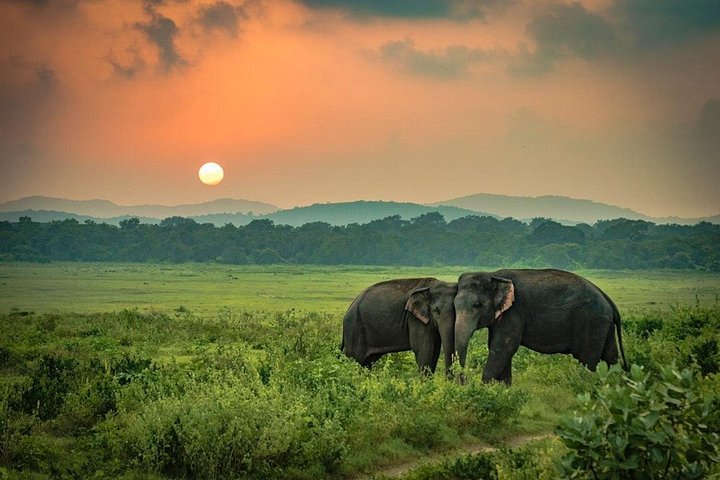
The Cultural Triangle is a dry-zone region, with rain concentrated in the northeast monsoon and the inter-monsoon periods. The drier months are generally the most comfortable for sightseeing and for the elephant gatherings at Minneriya and Kaudulla, though weather patterns vary, so check the current outlook before you travel. Our guide to the best time to visit goes into more detail.
Practical tips
Most visitors need an electronic travel authorisation before arrival, so check the current rules. Carry some cash in rupees for small purchases and tips, and use cards where accepted. Mobile coverage is generally good, and a local SIM or eSIM is easy to arrange. Finally, leave some slack in your plans, because a hot afternoon by the pool is as much a part of the trip as the climbs.