The Cultural Triangle sits in Sri Lanka's dry zone, and its climate differs from the south-west coast, where many visitors begin their trips. The area is hot all year, with a main dry season and two periods of heavier rain. Understanding the pattern helps you decide when to go, what to pack and how to schedule your days.
The dry season
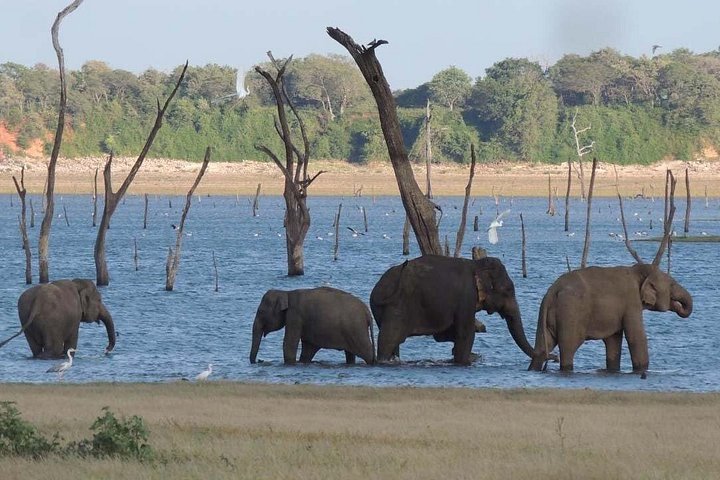
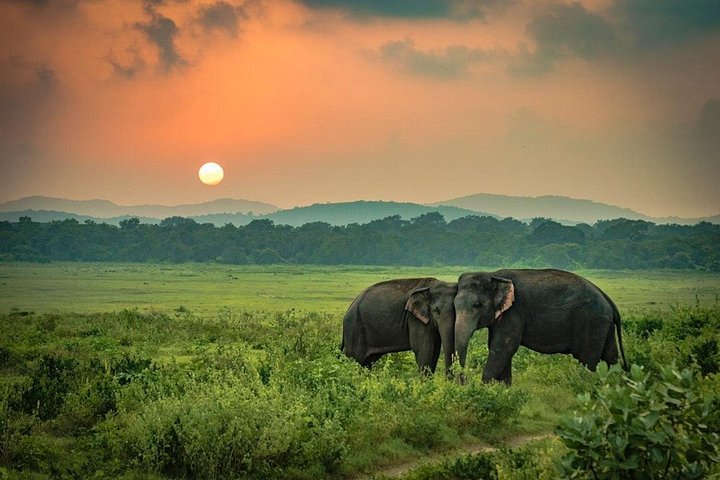
The drier months, roughly from around the middle of the year into the early autumn, bring the clearest skies, the lowest humidity and the most reliable weather for climbing and sightseeing. This is also the best time for the elephant gatherings, as water elsewhere shrinks and herds congregate around the reservoirs. Expect high temperatures, strong sun and dusty tracks, and plan activities for the early morning and late afternoon.
The wetter months
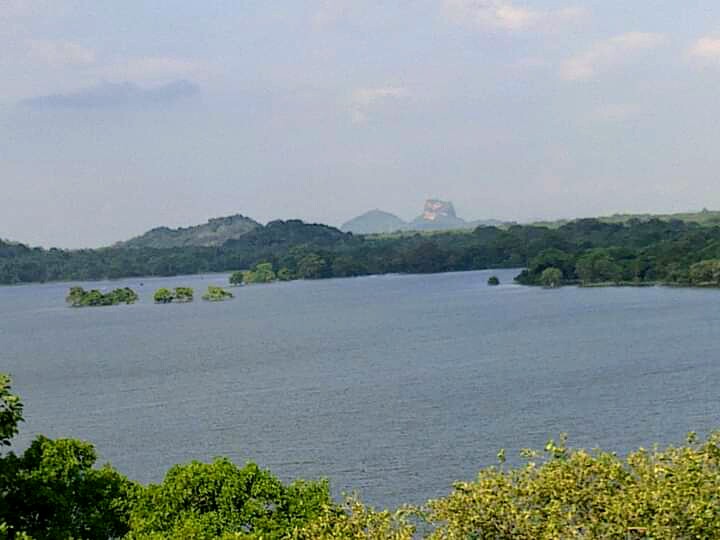
Rain in the dry zone is concentrated in the northeast monsoon, which brings the heaviest showers from roughly the end of the year into the early new year, and in an earlier inter-monsoon period. Rain often arrives as heavy afternoon storms rather than all-day drizzle, so mornings can still be clear. The landscape turns lush and green, tanks fill, and the crowds thin, but stairs and paths can be slippery and some outdoor activities may be cancelled.
Heat and humidity
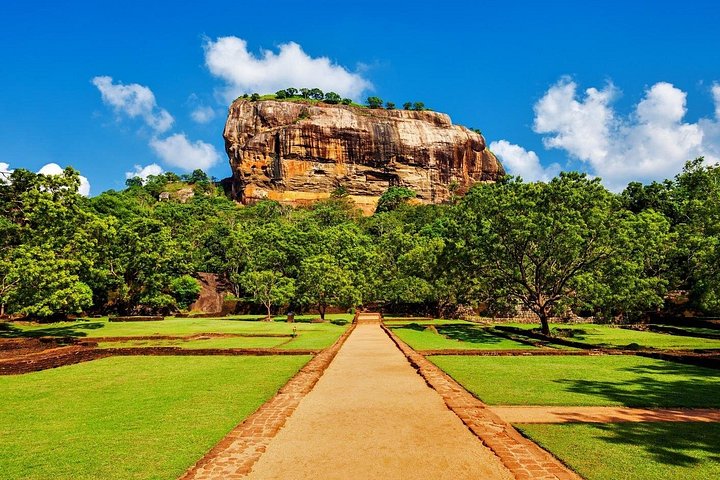
Daytime temperatures are high through much of the year, and the climb up Sigiriya in the middle of the day can be exhausting. The solution is to start at opening time and to rest in the afternoon. Carry water, wear a hat and use sunscreen, and watch for signs of heat exhaustion. Evenings are usually pleasant, and nights are warm.
Elephant gatherings
The famous gathering at Minneriya typically takes place in the drier season, as the reservoir shrinks and grass grows on the exposed margins. Kaudulla, nearby, has its own period of abundance, often later in the dry season, and herds move between the parks depending on conditions. Elephants can be seen throughout the year, but the number varies, so ask your operator which park is currently best.
Festivals and Poya days
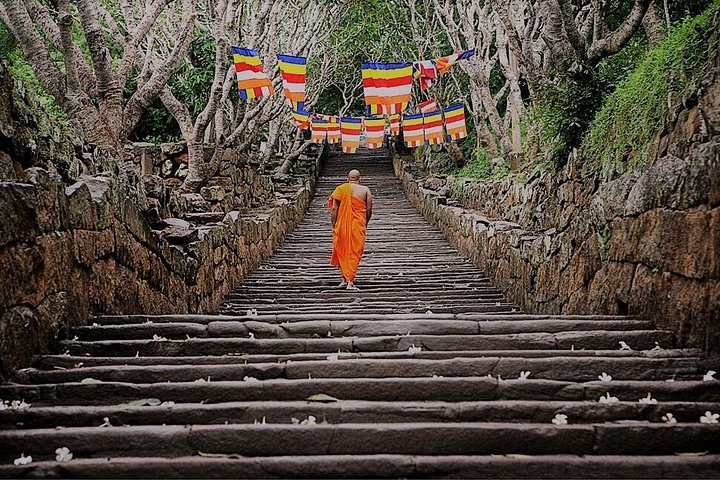
Every full moon is a Poya day, a Buddhist holiday when many shops close, alcohol is not sold and pilgrims visit temples in large numbers. Anuradhapura and Mihintale are especially busy on these days, and the Poson festival in the middle of the year is a major event. It can be a memorable time to visit, though crowds and traffic are heavier. Plan transport and accommodation ahead.
Crowds and prices
The busiest times at Sigiriya are during the dry season and school holidays, when tour groups arrive and early starts are essential. Hotels fill up, and rates can be higher. In the quieter wetter months you may find better availability and lower prices, with the trade-off of weather risk. If you want both good weather and fewer crowds, aim for the shoulder periods between seasons.
What to pack by season
In the dry season bring a hat, sunscreen, light clothing and a scarf for dust. In the wetter months add a rain jacket or umbrella, quick-drying clothes and shoes with good grip. Insect repellent is useful year-round, and a small torch helps for sunrise climbs.
Combining with other regions
Sri Lanka has two monsoon systems, so the best time for the Cultural Triangle is not always the best for the south coast or the east coast. The east coast sea is calmest in the middle of the year, while the south-west coast is best in the cooler season. Check each region when you plan a longer trip, and consider building your route to follow the weather.
A flexible approach
No time of year is perfect, and the Cultural Triangle rewards visitors in every season. Aim for early starts, build rest into your days and stay flexible, and you will enjoy the ruins, the wildlife and the villages whatever the weather. Check forecasts a few days before travel, and ask your hotel about local conditions.
Planning around weather
Build a buffer day into your itinerary if you can, because a storm or a cancelled balloon flight is easier to absorb when you are not racing for a flight. Keep the early morning for the big outdoor sights and use the afternoon for indoor or low-effort activities such as a cooking class, a spa visit or a long lunch. Roads can be slower after heavy rain, so allow extra time when travelling between towns.