St Sofia Church is the oldest living church in the capital and the one that gave the city its name. It was built in the sixth century on a site used for burials since Roman times, and the city, called Serdica in antiquity and Sredets in the Middle Ages, took the name Sofia from it in the late Middle Ages. The building is austere and moving: a long basilica of banded red brick and pale stone, with a simple interior, thick walls and a calm, slightly dark atmosphere. It has been damaged by earthquakes and altered through Ottoman times and restoration, but it still conveys the strength of the early Christian city. It stands in a quiet square in front of the Alexander Nevsky Cathedral, so the two make a natural pair, and the contrast between the plain old basilica and the gilded new cathedral is part of the pleasure.
How to visit
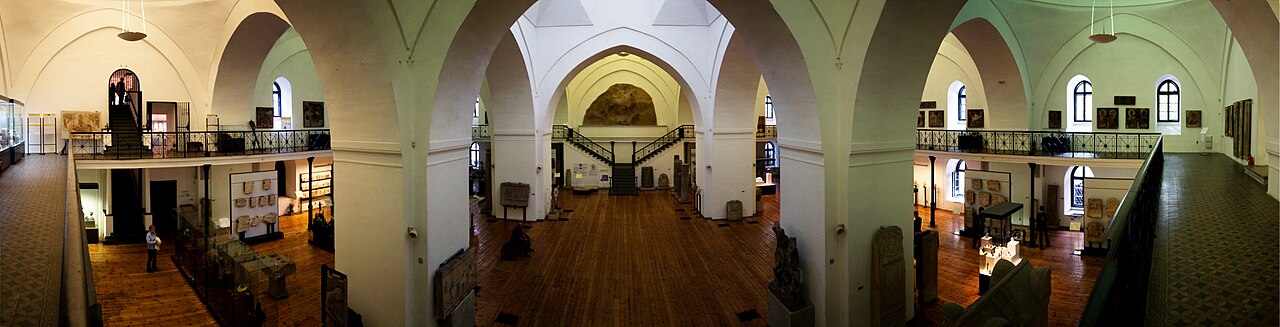
The church is a working Orthodox church, so entry is welcome but conditions apply. Dress modestly, keep your voice low and avoid photographing worshippers or services. Opening times depend on services, and a small fee may be charged for certain parts of the site, so bring a few coins. The interior is simple, with plain walls and a few icons, and a visit takes only twenty to thirty minutes.
The necropolis
Beneath and around the church are remains of ancient tombs from the Roman and early Christian city, some with painted decoration, discovered during excavations. Visits to this underground area can be limited, so check what is open when you arrive. The tombs help explain why this place was holy long before the present church was built.
Around the church
The square outside is a pleasant place to sit, shaded by trees, with the Tomb of the Unknown Soldier nearby and the Alexander Nevsky Cathedral across the road. On weekends, a market of antiques and souvenirs often spreads across the neighbouring square, which is a good place to browse for old coins, military badges and handmade crafts.
Making a short circuit
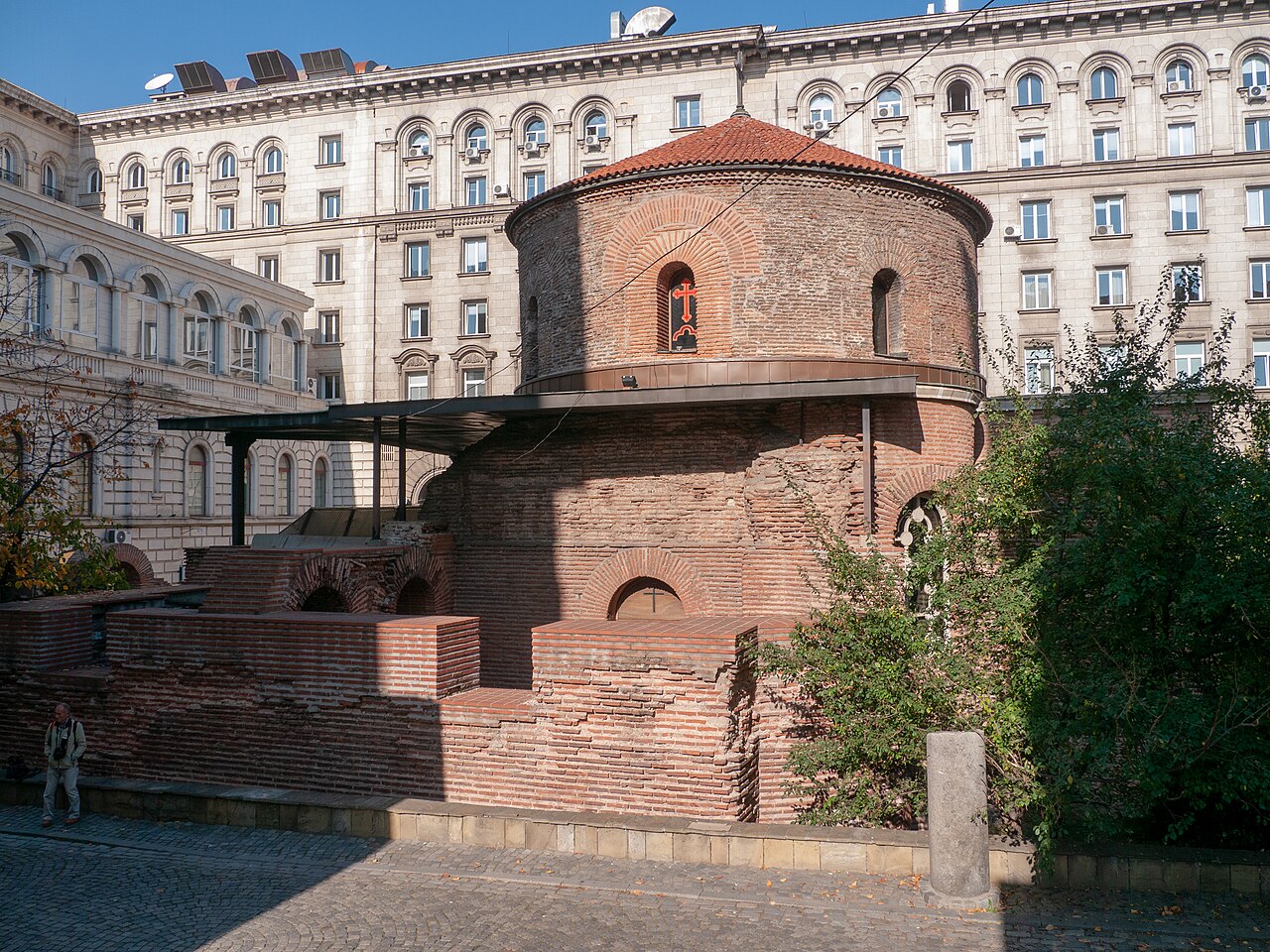
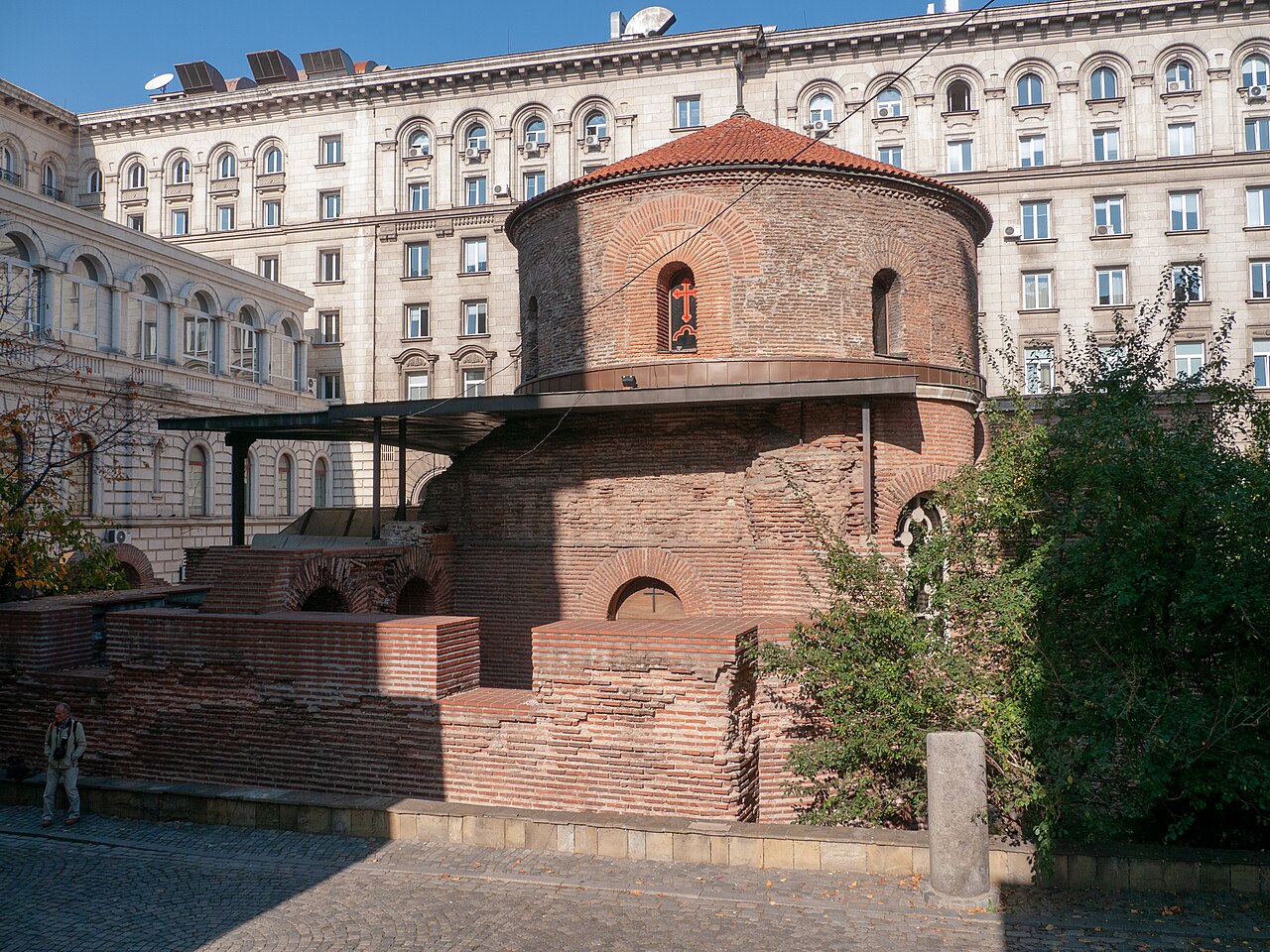
Combine St Sofia with the cathedral and its crypt museum, then walk toward Parliament and the Rotunda of St George. The route is short and flat, and takes you through three layers of the city’s past in less than a morning. Evening light on the brick is warm and lovely, and the square is a calm place for a pause before dinner.
A little more history
The basilica stands on a site that held earlier churches and a large cemetery of the ancient city, and traces of those earlier buildings help archaeologists tell the story of the Roman town’s transition to a Christian one. The church was damaged in medieval and Ottoman times and was repaired and restored in the twentieth century, which is why its walls show several different building periods.
Look closely at the brickwork outside, where the alternating courses of brick and stone are typical of late antique construction, and at the simple wooden furnishings inside. Because the church is small, early visits are calmer and help you appreciate its atmosphere.
What to expect
The experience
A short visit to a plain sixth-century basilica, with access to ancient tombs in the necropolis where open.
Best time
Morning or late afternoon; evening light is warm on the brick.
How long
About half an hour, plus time to wander the square.
Tips
Dress modestly, carry coins for any fee and check which parts are open.
Quick picks
- Best for
- History lovers who want to see the origin of the city’s name.
- Families
- Short and easy; the park outside is good for a break.
- Couples
- A calm, atmospheric stop beside the cathedral at sunset.
- Pair with
- Alexander Nevsky Cathedral and the Rotunda of St George.
- Time needed
- About half an hour.
Good questions
Why is it called St Sofia?+
The church gave its name to the city in the late Middle Ages; Sofia means wisdom, not the name of a saint.
How old is St Sofia Church?+
It dates from the sixth century, built on a site used for burials since Roman times.
Is there an entry fee?+
A small fee may be charged for some parts of the site, so bring a few coins.
Can I see the ancient tombs?+
Parts of the necropolis are open to visitors, but access varies, so check on arrival.
Is it close to Alexander Nevsky Cathedral?+
Yes, it stands just across the road, and the two are easily visited together.