Sofia is an easy city to eat well in. Portions are generous, ingredients are fresh, and the food is built on vegetables, cheese, grilled meat and yoghurt, with Balkan and Ottoman influences. Prices are gentle by Western European standards, and the euro, which Bulgaria uses, makes paying simple. Here is what to look for.
Start with a salad
The shopska salad, a heap of tomato, cucumber and peppers topped with a drift of grated white sirene cheese, is on almost every menu and is the classic opening to a meal. Add a snezhanka, a thick yoghurt and cucumber salad, or tarator, a cold soup of yoghurt, cucumber, garlic and walnuts that is wonderfully refreshing in summer. Lyutenitsa, a spread of roasted peppers and tomatoes, comes with bread.
Main courses
Look for kavarma, a slow-cooked stew of meat and vegetables, often served in a clay pot; kebapche and kyufte, grilled minced-meat sausages and patties; sarmi, vine or cabbage leaves stuffed with rice and meat; and mish-mash, a dish of peppers, eggs and cheese. Gyuvech is a vegetable and meat stew baked in a pot. Vegetarians do well with bean soup, stuffed peppers, grilled vegetables and cheese pies, though many dishes are meat-based, so ask.
Banitsa and breakfast
The great Bulgarian breakfast is banitsa, a flaky pastry layered with white cheese and eggs, eaten warm from a bakery with a glass of ayran or boza, a thick, slightly sweet fermented drink. Bakeries around the centre open early and sell pastries, cheese rolls and pizza slices at very low prices. The famous fried dough pastries with yoghurt and honey that you may eat at Rila are a local ritual.
Yoghurt and cheese
Bulgarians say their yoghurt is the best in the world, and the bacteria that make it are named after the country. Eat it plain with honey, or with fruit and walnuts. Sirene, a brined white cheese, appears everywhere, and kashkaval, a yellow cheese, is served grilled or in sandwiches. The Central Market Hall is the best place to taste and buy.
Mehanas and modern restaurants
A mehana is a traditional tavern, usually with wooden furniture, folk décor and a menu of grilled meats and salads, sometimes with live music. In recent years Sofia has also developed a lively modern restaurant scene, with chefs reinterpreting Bulgarian classics, plus Italian, Georgian, Armenian and Asian options. Reserve for Friday and Saturday evenings, especially for popular places. Dinner is often eaten fairly late.
Wine, rakia and beer
Bulgaria has a long winemaking history, with native grapes such as mavrud, a rich red, melnik and the white dimyat, as well as international varieties. Many Sofia wine bars offer tastings and flights, and a local wine is usually excellent value on a menu. Rakia, a fruit brandy, is the national spirit, often served as an aperitif with salad. Local beers are cheap and good.
Coffee and sweets
Coffee culture is serious, and the pedestrian streets are lined with cafés where locals linger for hours. Try a small, strong Bulgarian coffee or a cappuccino, and pair it with a pastry. Tolumbichki, small fried dough fingers soaked in syrup, kozunak, a sweet braided bread, and baklava turn up in every pastry shop.
Markets and mineral water
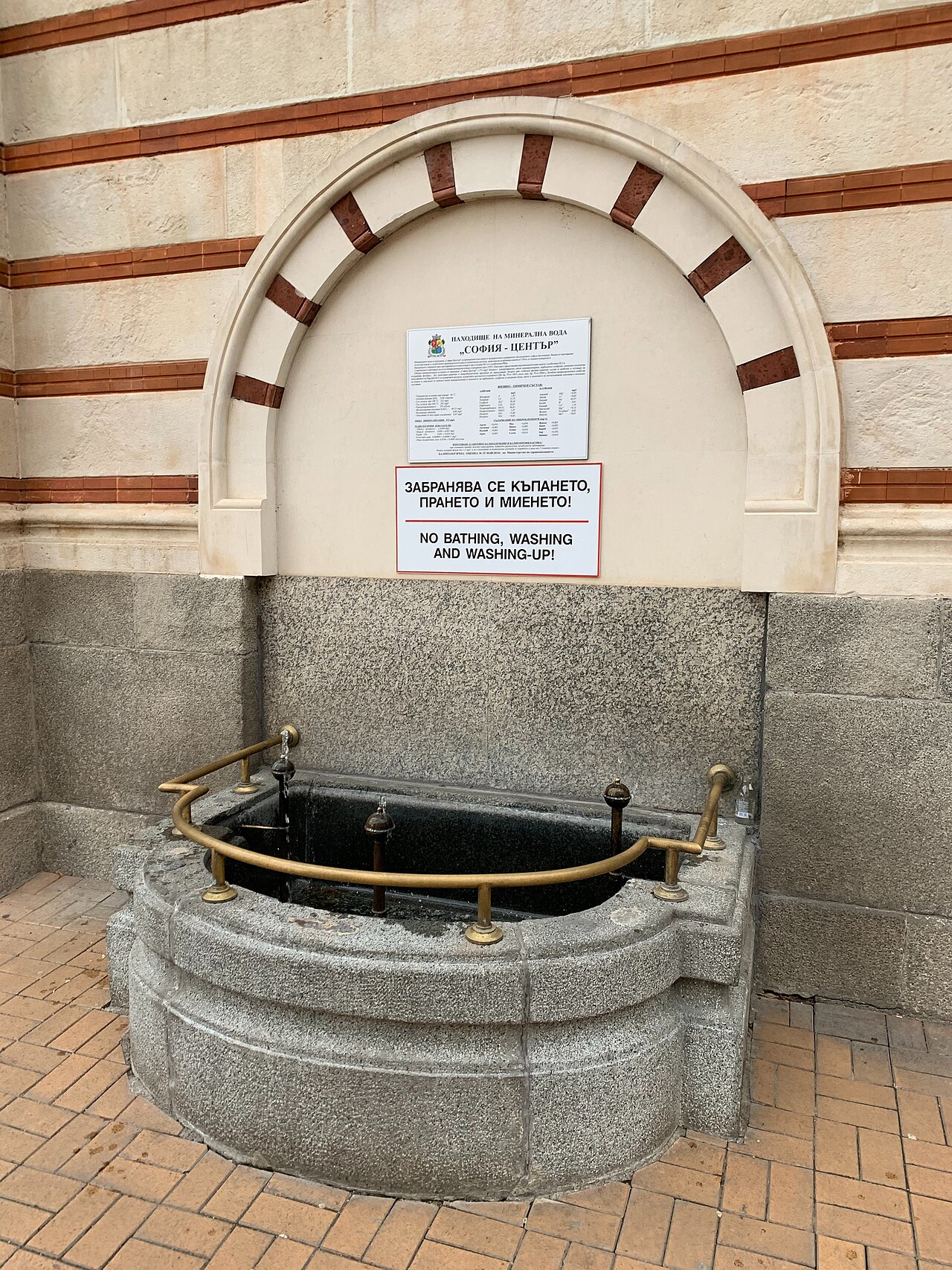
The Central Market Hall and the Women’s Market are the places for produce, cheese, honey, nuts and spices. Near the Banya Bashi Mosque, a public fountain supplies warm mineral water, and locals fill bottles as part of their daily routine.
Practical notes
Tipping around ten percent for good service is customary. Cards are widely accepted, but small bakeries and stalls may prefer cash. Check whether a bill includes a service charge. For a food tour, guided options cover tastings and context, and a market visit is easy to do on your own.
A simple day of eating
Begin with banitsa and a coffee from a bakery, graze at the Central Market Hall late morning on cheese, olives and fruit, then sit down for a long lunch of shopska salad, a grill and a glass of local wine. In the afternoon, stop for a pastry and strong coffee, and finish with a relaxed dinner at a mehana, where a shared platter and a carafe of house wine make a fine, inexpensive evening.