Sofia is an excellent base for day trips. Within two or three hours by road you can reach a UNESCO monastery, a chain of glacial lakes, one of Europe’s oldest cities and a museum-town of painted houses. Most can be done on a guided tour, with a driver or by public transport, and several combine neatly. Here is how to choose.
Rila Monastery: the essential trip
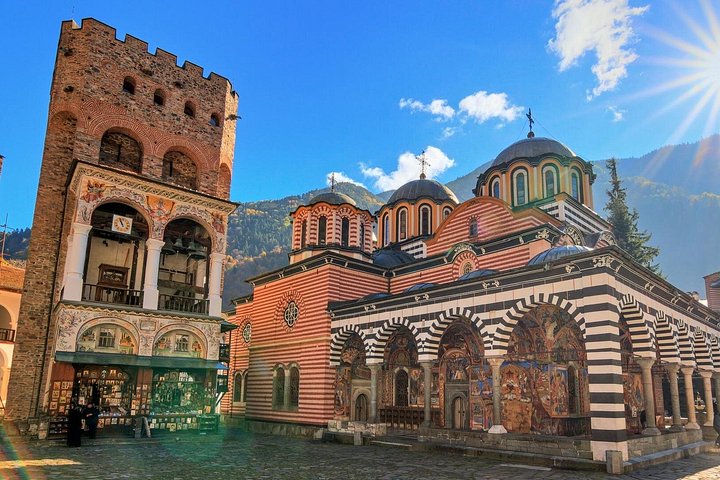
If you only have time for one, make it Rila. The monastery sits in a forested valley about two hours south of the city, with striped arcades, a frescoed church and a medieval tower, and it is still home to monks. Leave early to arrive before the tour buses, dress modestly and allow two to three hours on site. It is a full day with the drive, but it is the single most rewarding excursion, and it combines naturally with a stop at Boyana Church on the way back.
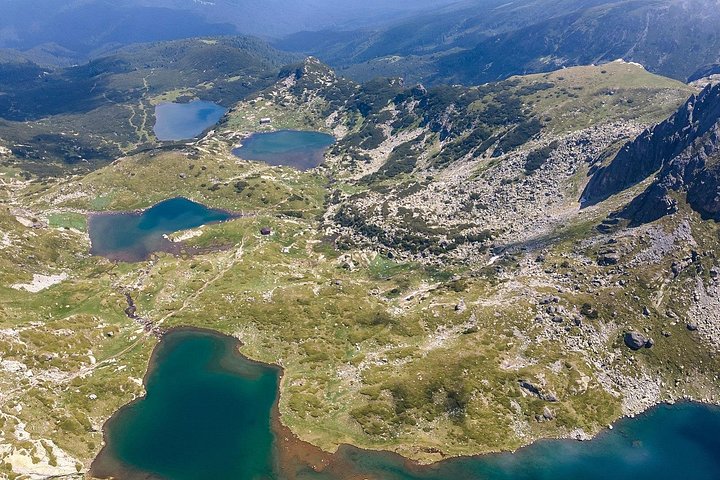
Seven Rila Lakes: for walkers
In the same mountain range, a staircase of glacial lakes offers the best hiking in reach of the capital. The trail takes around four hours, the high ground is normally clear of snow from about June to early autumn, and the weather changes quickly, so bring layers and proper shoes. Some tours pair the lakes with the monastery, which makes a very long day; if you can, choose one or the other, or stay overnight in the mountains.
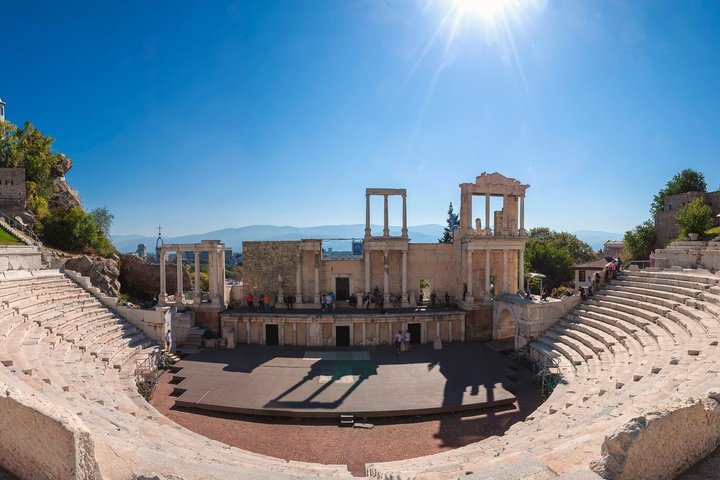
Plovdiv: for a second city
Roughly two hours east, Plovdiv has a Roman theatre, a hillside Old Town of painted nineteenth-century houses and the café-filled Kapana district. It suits people who prefer streets and museums to mountains, and it is lovely in spring and autumn. A day is enough to cover the main sights, with time for lunch, though many visitors wish they had stayed the night.
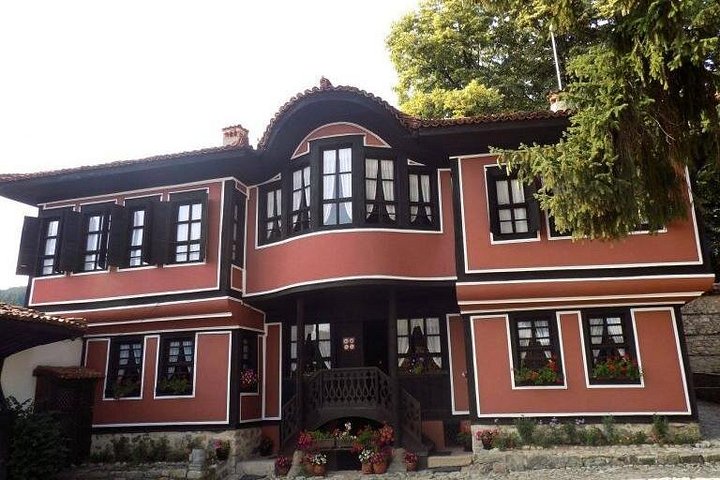
Koprivshtitsa: for a small town time-capsule
About two hours east of Sofia, this preserved Revival-era town of cobbled lanes and stone bridges is where the 1876 April Uprising began. It is quiet, photogenic and easy to enjoy at a slow pace, and it can be combined with Plovdiv on a longer tour. House museums have their own opening days, so check before you go.
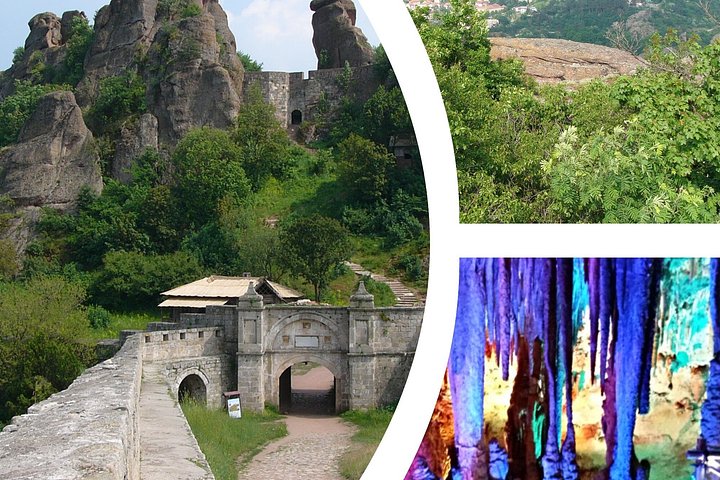
Belogradchik: for dramatic scenery
In the far north-west, a fortress is built among towering red sandstone pinnacles. It is roughly three hours each way, so it is a long day, best in clear weather and late afternoon light. Many tours add a cave stop.
Buzludzha: for something unusual
A concrete flying-saucer monument on a Balkan peak, often paired with the Rose Valley, this is a very long day, and conditions on the summit can be cold and foggy. Interior access has been restricted at times, so check what your tour includes.
Closer to home: Vitosha and Boyana
If you only want half a day, take a taxi to Boyana Church and the National Museum of History, then walk the Golden Bridges on Vitosha. These are close enough for the morning or afternoon and do not need a tour.
Tour, bus or car?
A guided tour is the simplest option for Rila, the Seven Lakes, Belogradchik and Buzludzha, where the roads are mountainous and public transport is thin. Plovdiv is straightforward by train or bus, and Koprivshtitsa is workable by public transport, though connections are less frequent. A private driver gives flexibility for combining stops. If you hire a car, remember that winter weather can slow the mountain roads, so check conditions.
Choosing by season
In spring and autumn almost everything is at its best. Summer is ideal for the Seven Lakes, while winter favours the cities and Vitosha. Rose-harvest season in late spring adds colour to the Rose Valley, and snow makes Rila Monastery especially atmospheric, though you should check the road first.
Planning tips
Start early, since many sights close in late afternoon. Carry some cash for small entry fees and the pastry stalls. Dress in layers, and keep a day in your plans for Sofia’s own sights, so you do not feel rushed. For a short stay, two day trips is plenty; for a week, add Plovdiv and one of the more remote options.