Cooking classes are among the most satisfying things to do on a trip, because you leave with a skill, a full stomach and a story. In Split the Dalmatian table is a mix of Mediterranean and Slavic traditions: simple, seasonal food shaped by the sea, the olive and the vine, and by centuries of Venetian and Italian influence that left the coast with its own pasta culture. A hands-on class based on an old family-style recipe takes you through the basics. You work flour and eggs into dough, roll it out, cut and shape it, learn how to cook it to the right texture and prepare a sauce, and then sit down together to eat the results with a glass of wine. It is a relaxed, sociable evening or afternoon that needs no cooking experience and suits groups, couples and solo travellers who want a bit of company. The host explains the ingredients and the local habits around food, which gives the class a cultural flavour as well as a culinary one.
A good class balances instruction and fun. You will work at your own station or in pairs with a host who demonstrates each step, corrects your technique gently and tells stories about how people cook at home on the coast. Expect to learn why the dough needs rest, how thin to roll it and how to tell when the water is ready.
Sauces tend to be simple and based on tomato, olive oil, garlic, herbs and perhaps seafood or cured meat, depending on the menu. Vegetarian versions can usually be arranged if you tell the host in advance. Everything you make is eaten at the table, so arrive hungry.
Because the experience is hands-on, wear clothes you do not mind dusting with flour and tie back long hair. The class is a good choice for rainy days, when outdoor plans fall through, and for evenings when you want something more engaging than another restaurant meal. It also works for families with older children, who often enjoy the rolling and cutting.
If you have allergies or intolerances, especially gluten, tell the organiser at booking, since wheat flour is the basis of the class. Most sessions run in small groups, so the atmosphere is friendly and everyone gets attention.
To make the most of it, combine the class with other food experiences in the city. A morning visit to the green market near the palace shows you where the ingredients come from, a wine tasting adds context to the drink on the table, and a food tour fills in the dishes you will not cook, such as grilled fish, black risotto, pašticada and sweet fritters.
After the class, take a slow walk through the old town to settle your stomach and look for the same ingredients in the shops. Buying a few local products, such as olive oil, dried herbs or a bottle of wine, is an easy way to recreate the dinner at home.
You will leave with the recipe, a better sense of how Dalmatian food works and, if all goes well, a plate you are proud of. For visitors who spend most of a trip on sights and boats, a few hours at a kitchen table is a very welcome change of rhythm.
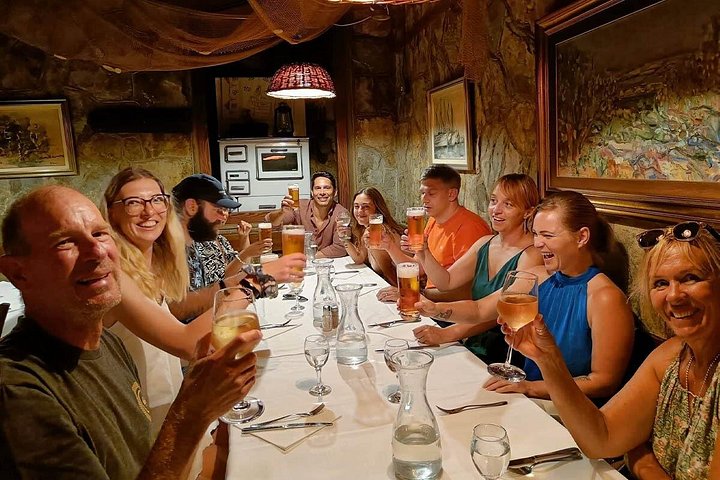
If you are visiting with friends, a class is a good group activity because it gives everyone something to do, and it is far more memorable than a standard restaurant dinner.
What to expect
The experience
A small-group, hands-on class in which you make fresh pasta from scratch from an old local recipe and then eat it together.
Best time
Evening or afternoon, any season; a good choice for a rainy day.
How long
About two to three hours including the meal.
Tips
Arrive hungry, wear clothes that can get floury, and tell the host about allergies or dietary needs.
Quick picks
- Best for
- Food lovers, first-time visitors who want a cultural activity, and anyone who enjoys cooking.
- Families
- Fun for older children and teenagers who like to get their hands messy.
- Couples
- A relaxed, shared evening with a meal at the end.
- Pair with
- A market visit, a wine tasting or a food tour on the same day.
- Time needed
- Two to three hours.
Good questions
Do I need cooking experience?+
No. The host shows each step and helps with technique, so beginners are welcome.
Do we eat what we make?+
Yes. The class ends with a shared meal of the pasta you have prepared, often with wine or another drink.
Can vegetarians join?+
Usually yes. Tell the organiser in advance so that the sauce can be adapted.
Is the class suitable for gluten-free diets?+
Pasta is made with wheat flour, so a gluten-free diet is difficult. Contact the organiser before booking to ask about options.
Where does the class take place?+
In a kitchen or studio in Split, normally in or near the old town. Confirm the address in your booking details.