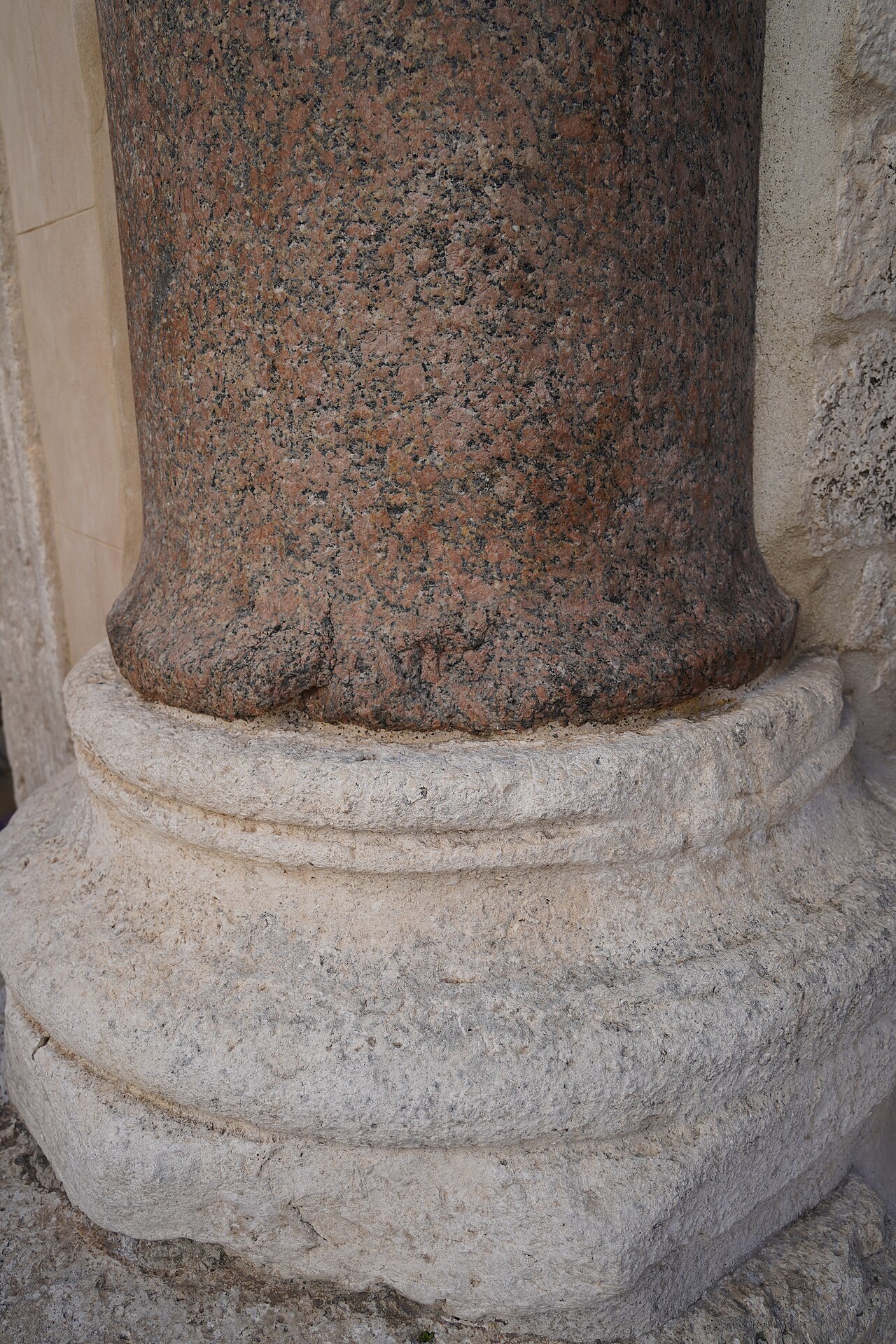
Diocletian's Palace and the Peristyle
The reason Split exists: a fortified Roman imperial residence from around 300 AD that became a living town. Walk the gates, the Peristyle square and the narrow lanes with a guide who can make the stones talk.
Croatia
Split is the only city in the world that grew up inside a Roman emperor's retirement home.
Diocletian built his palace on this Adriatic shore around the year 300, and when the empire collapsed, local families moved into the walls and never left, so that today shops, bars, apartments and a cathedral occupy the same stone that once housed a ruler and his guards. The result is a living old town rather than a museum: you buy coffee in a Roman vestibule, climb a bell tower that rises from an imperial mausoleum, and walk the Riva promenade beneath the palace's south front. Beyond the walls the city offers the green hill of Marjan with its viewpoints and hermit chapels, the sculptor Ivan Meštrović's seaside villa, and the ruins of Salona, the Roman capital of Dalmatia, just up the road. Split is also the best base on the coast for day trips: the mountain fortress of Klis, the waterfalls of Krka National Park, the lakes of Plitvice, the walled island town of Trogir, and, in the warm months, speedboat runs to Hvar and the Blue Cave. This guide is honest about seasons, closures and what is worth the time, and it matches you with hotels inside the palace quarter, by the Bačvice beach and on the Žnjan seafront, because in a city this compact where you sleep shapes how you see it.
Diocletian's Palace and the Peristyle
The reason Split exists: a fortified Roman imperial residence from around 300 AD that became a living town. Walk the gates, the Peristyle square and the narrow lanes with a guide who can make the stones talk.
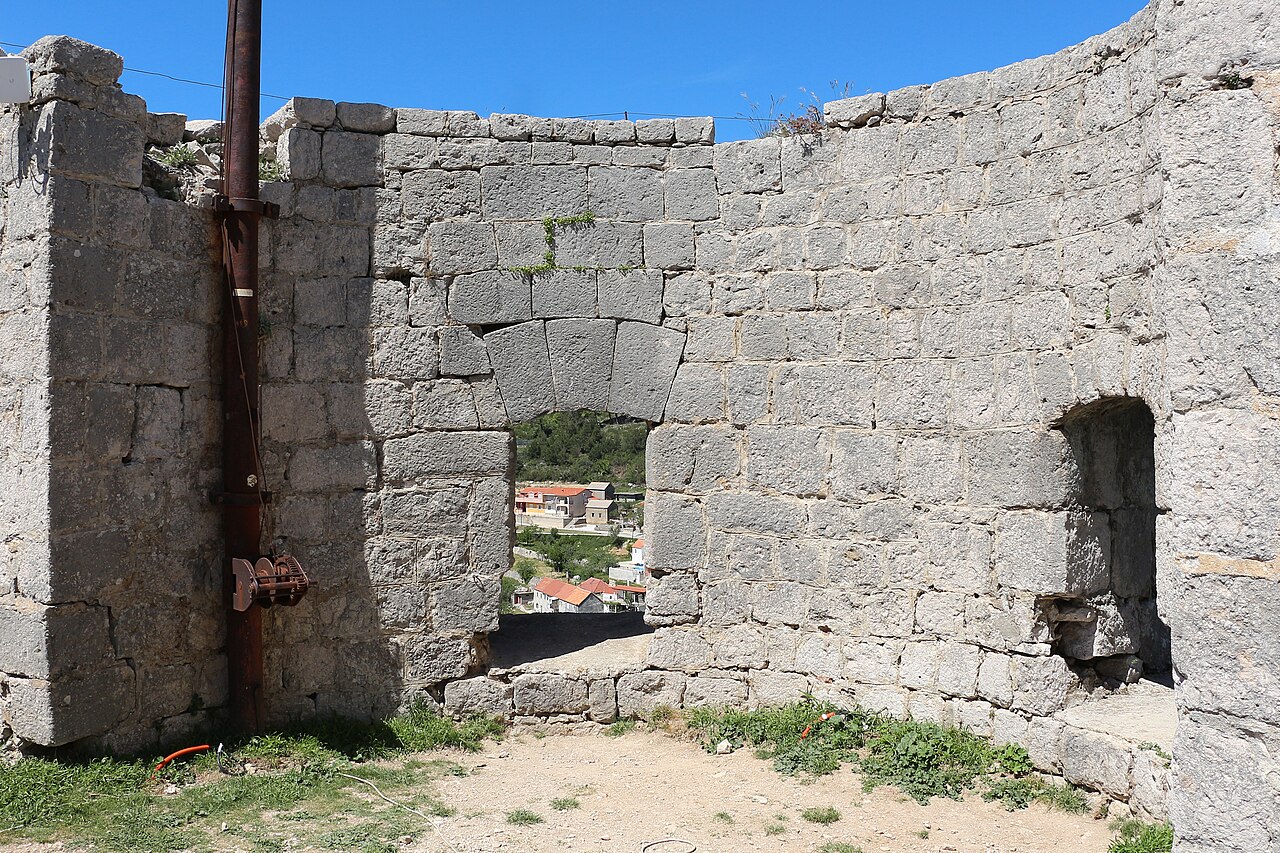
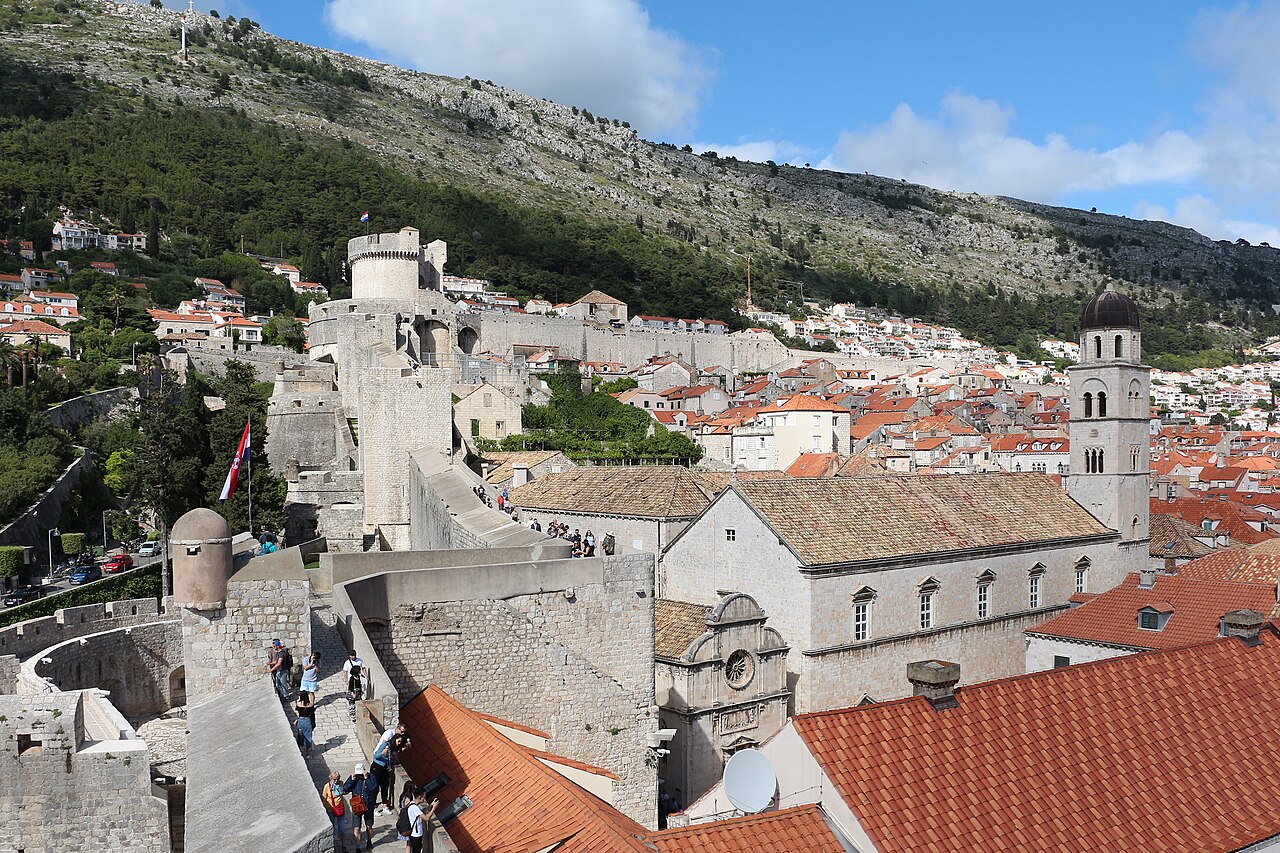
Klis Fortress
A mountain stronghold twelve kilometres from Split that guarded the pass to the coast for two thousand years and played Meereen in Game of Thrones. Ramparts, views and a small olive museum on the same ticket.
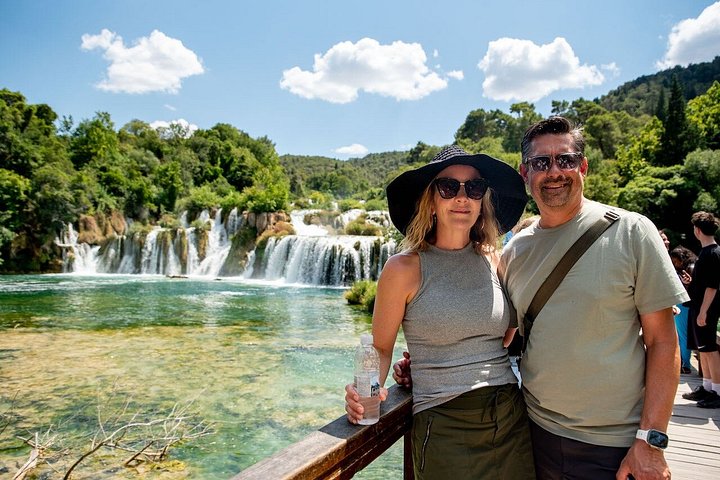
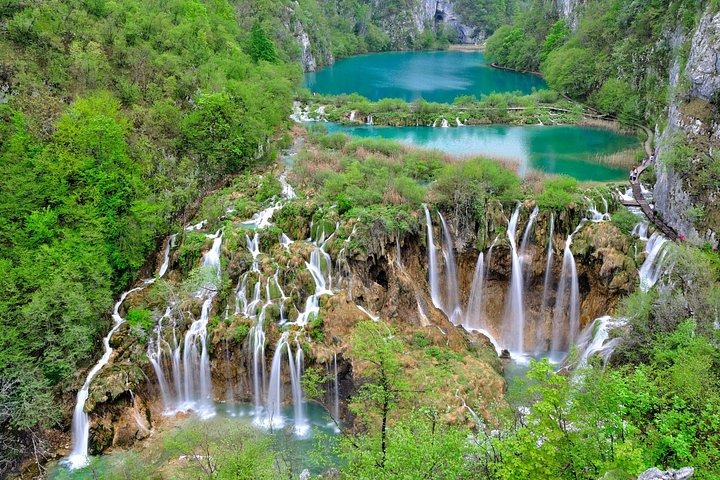
Krka National Park Waterfalls
Cascading travertine waterfalls on boardwalks, about an hour from Split. Skradinski buk is the showpiece. Open all year, but boats and swimming are summer features, and winter days are shorter.
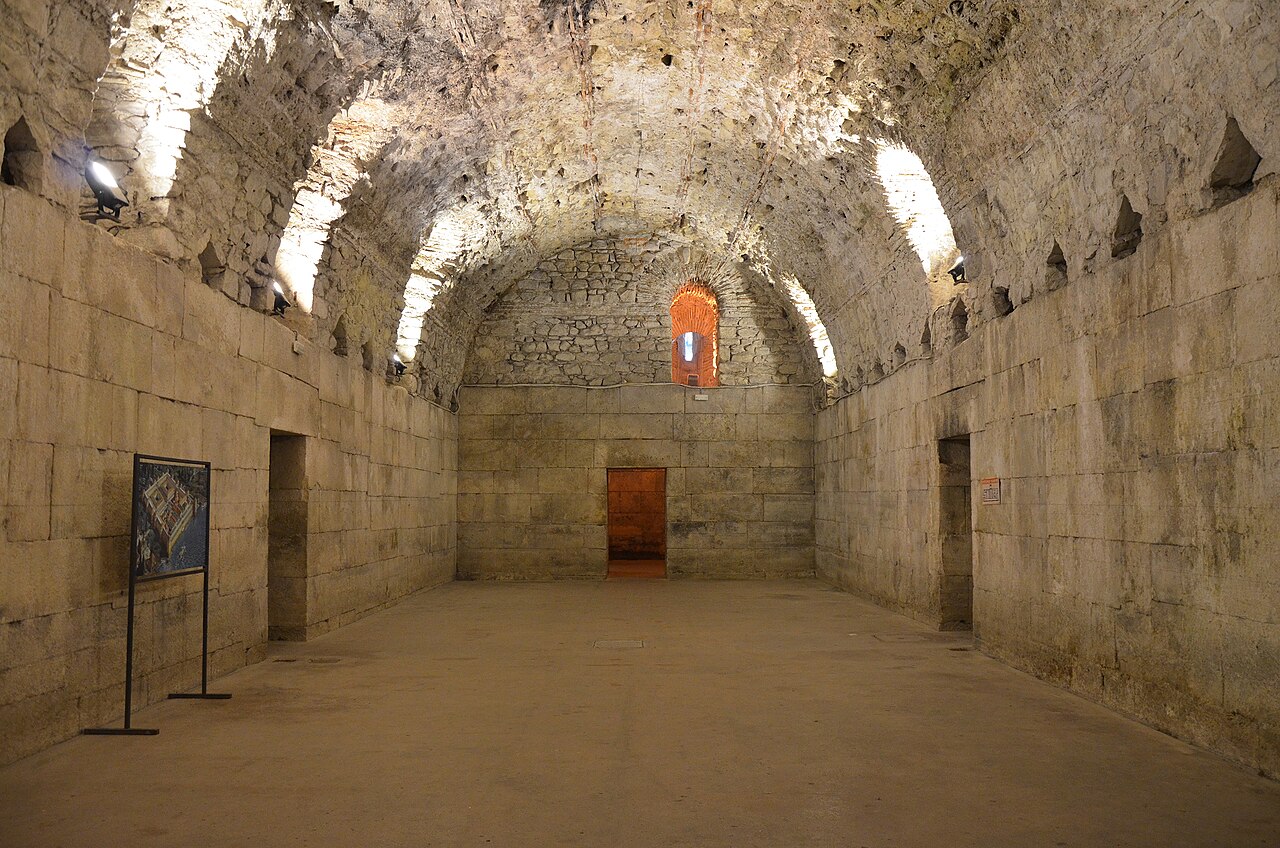
Diocletian's Palace Cellars
The vaulted Roman substructures beneath the emperor's apartments, the best preserved part of the palace and a Game of Thrones filming location. Enter from the Riva through the Brass Gate. Open daily in winter.
Hand-picked: every experience here has strong traveler reviews and a verified booking link.
The reason Split exists: a fortified Roman imperial residence from around 300 AD that became a living town. Walk the gates, the Peristyle square and the narrow lanes with a guide who can make the stones talk.
The vaulted Roman substructures beneath the emperor's apartments, the best preserved part of the palace and a Game of Thrones filming location. Enter from the Riva through the Brass Gate. Open daily in winter.
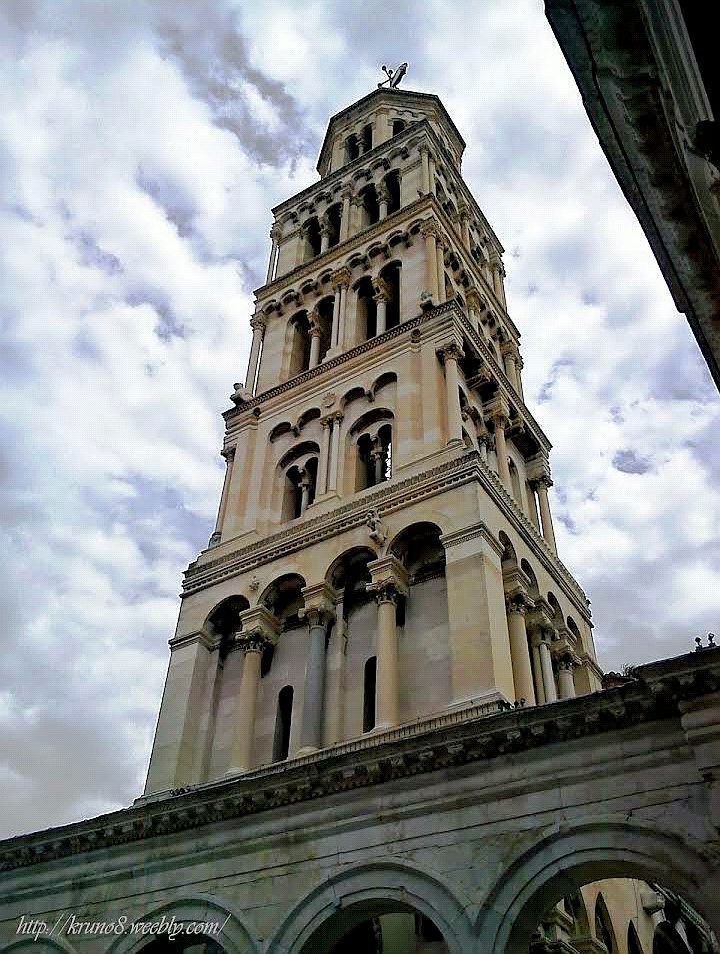
A Christian cathedral inside a Roman emperor's mausoleum, with a 57-metre bell tower you can climb for the best view of the palace roofs. Allow time for the carved doors, the pulpit and the treasury.
Split's living room: a wide palm-lined seafront promenade below the palace's south wall, lined with cafes and the daily parade of locals. Free, open always, and best at sunset.
The green hill at the western edge of town, reached by stairs from the Riva, with pine woods, hermit chapels and viewpoints over the palace roofs and the islands. Free, and best on a clear afternoon.
A mountain stronghold twelve kilometres from Split that guarded the pass to the coast for two thousand years and played Meereen in Game of Thrones. Ramparts, views and a small olive museum on the same ticket.
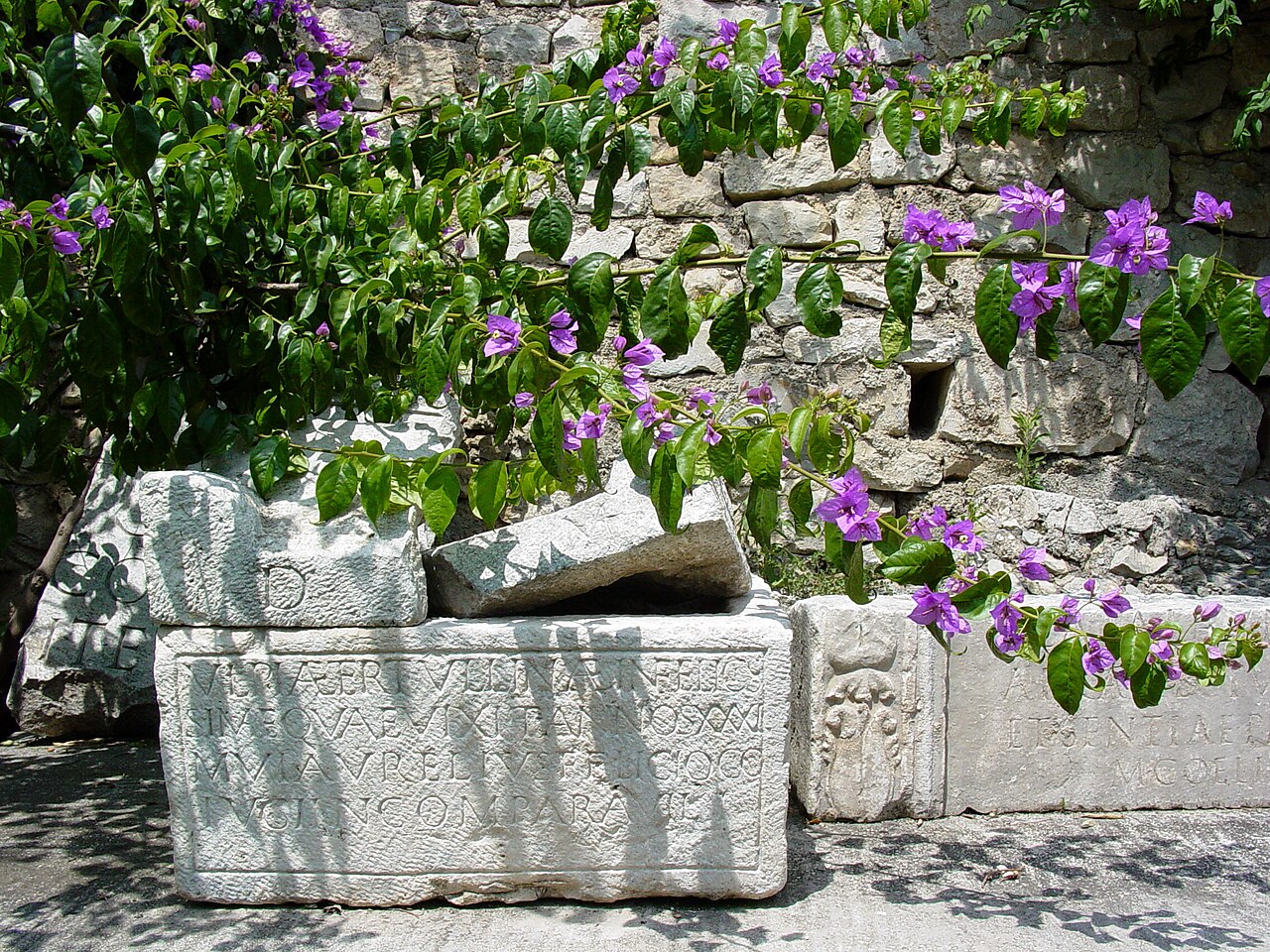
The ruins of the Roman capital of Dalmatia, just outside Split: an amphitheatre for 17,000, early Christian basilicas and a monumental gate. Atmospheric, uncrowded and the story behind Diocletian's palace.

Croatia's greatest sculptor in his own seaside villa: marble, bronze and plaster works in a villa-and-garden setting on the slope of Marjan, with the Kaštilac on the same ticket. Closed Mondays.
Cascading travertine waterfalls on boardwalks, about an hour from Split. Skradinski buk is the showpiece. Open all year, but boats and swimming are summer features, and winter days are shorter.
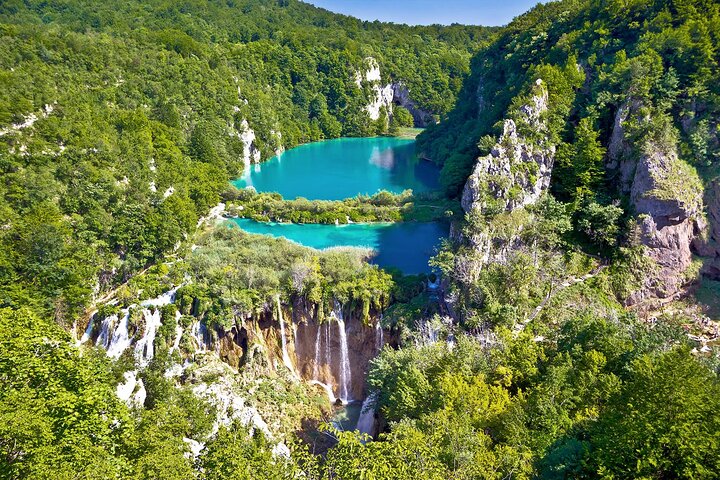
Croatia's most famous national park: sixteen terraced lakes joined by waterfalls and wooden walkways. A very long day from Split, so choose a guided trip, and expect ice and shorter days in winter.
The classic Adriatic day out: a small-group speedboat from the Riva to the Blue Cave on Biševo, Hvar and several islands. Seasonal, roughly April to October, so it is not a November option.
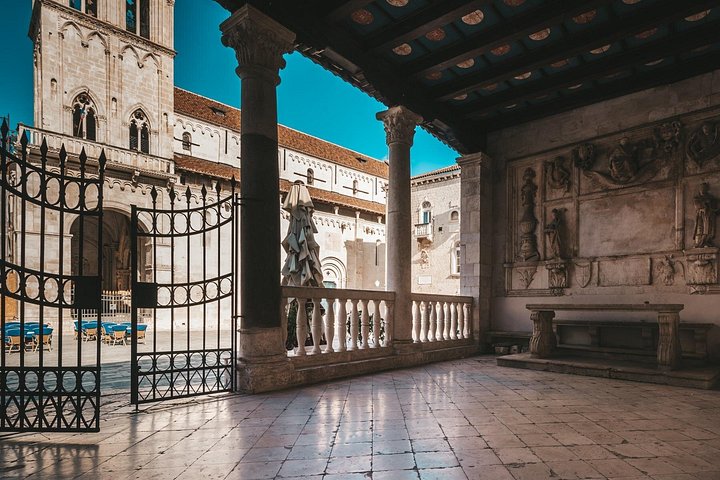
A UNESCO-listed island town west of Split with Romanesque and Renaissance stone lanes, a famous cathedral portal and a waterfront fortress. Easy by bus and open all year, a good winter half day.
Hotels we would book ourselves, from splurges to good-value bases.
Žnjan seafront
The city's big seafront resort on the Žnjan shore: a full spa, an indoor pool, two restaurants and sea-view rooms with balconies, about three kilometres from Diocletian's Palace. The splurge pick for comfort over location.
Check rates →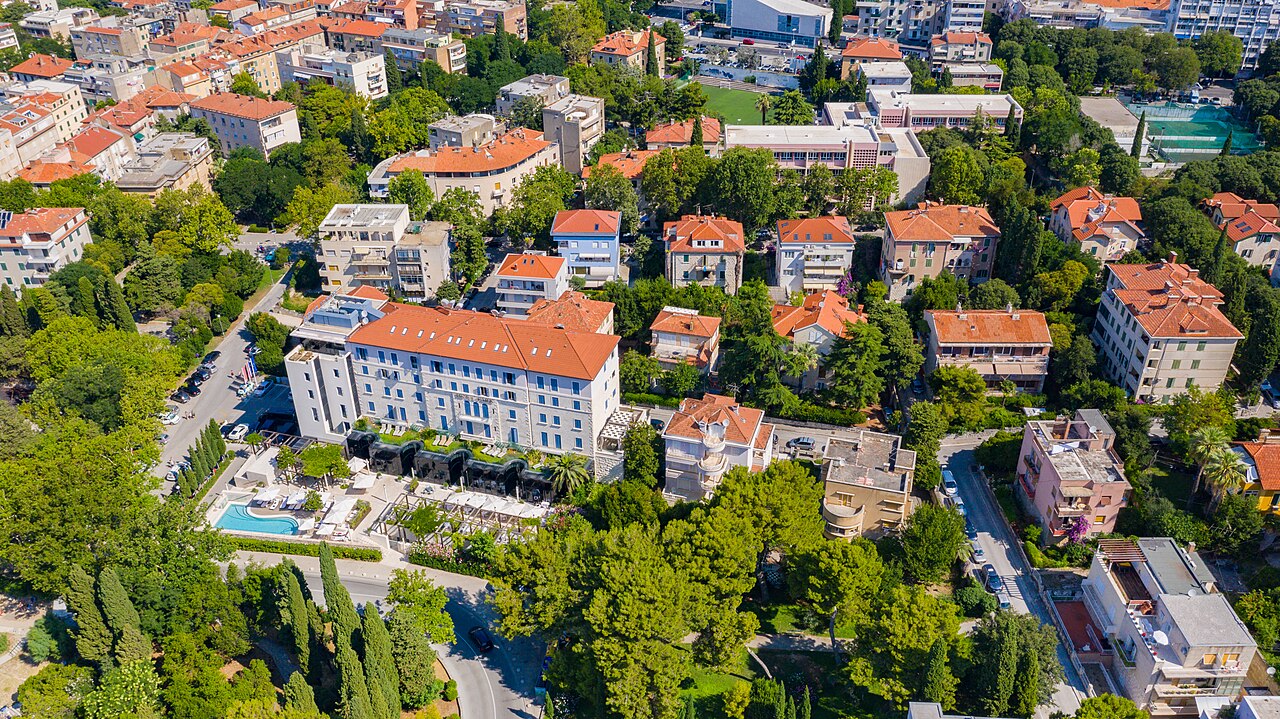 $$$
Bačvice
A seaside hotel at Bačvice, a short walk from the beach and about ten minutes from the palace. Outdoor pool, spa, breakfast and a calmer residential setting.
Check rates →Old Town
A heritage boutique hotel in the old town, three minutes from the palace, with a rooftop terrace and hot tub, a library, a restaurant and a spa. The place to sleep inside the story.
Check rates →Old Town
A long-established hotel just beside the Peristyle and the bell tower, with terrace rooms, sound-insulated walls and a free breakfast buffet. Mid-range comfort in the middle of the palace.
Check rates →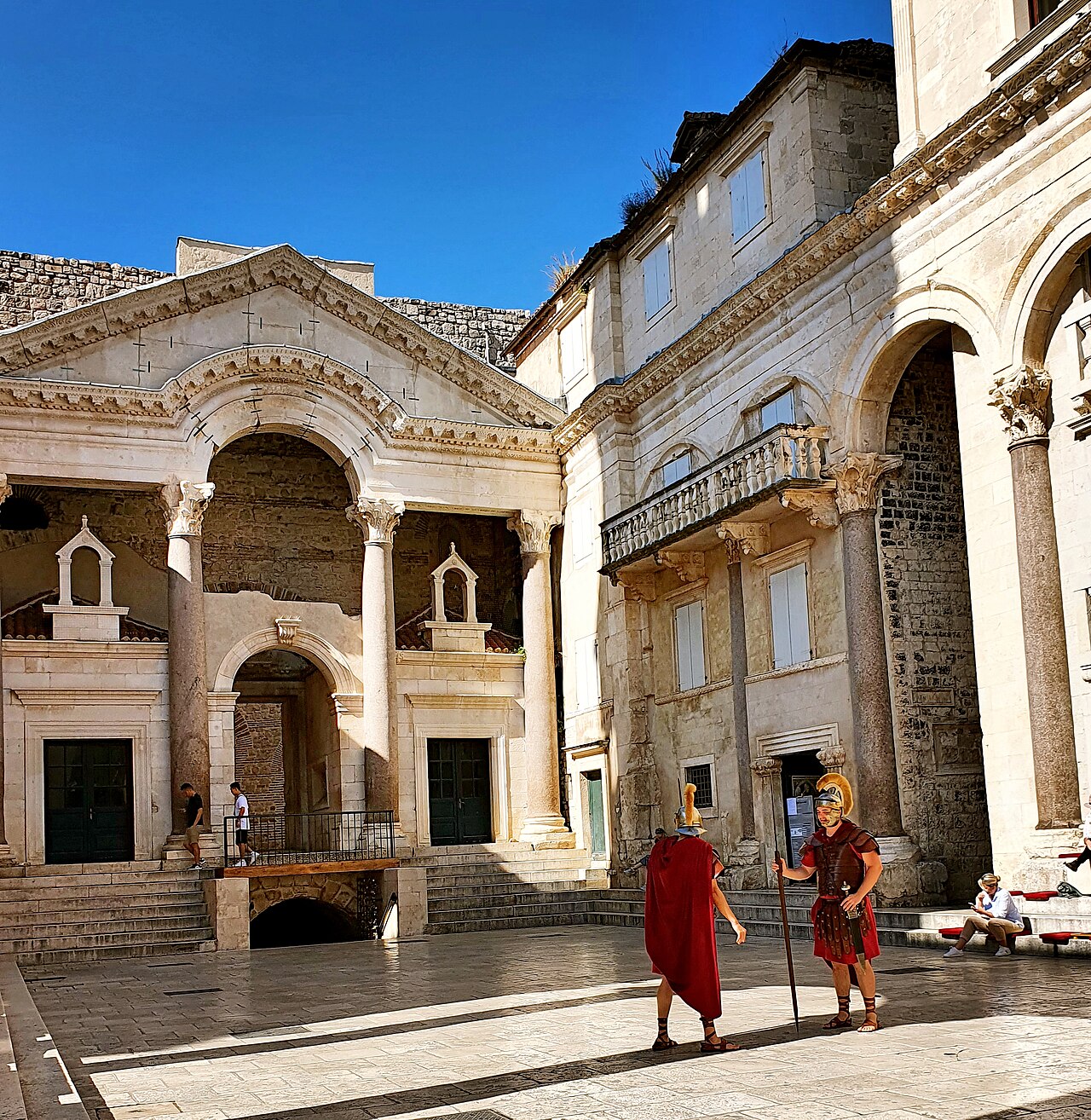 $$
Old Town
The budget-friendly old town option, a simple hotel steps from the palace with a terrace, restaurant and free breakfast. Simple rooms, a perfect location, and some street noise.
Check rates →Old Town
A 4-star heritage hotel on Narodni trg in the old town, two minutes from the Riva and the cathedral, with an exceptional guest rating and a terrace, library and cafe.
Check rates →Old Town
A boutique 4-star hotel built into the Vestibule of Diocletian's Palace, with a garden terrace, restaurant and free breakfast buffet. The most atmospheric address in the old town.
Check rates →Old Town edge
A 5-star hotel a few minutes from the palace with a rooftop bar and pool, a spa with sauna and steam room, two restaurants and free breakfast. Modern luxury close to the old town.
Check rates →Podstrana seafront
A large 381-room beach resort at Podstrana, south-east of Split, with indoor and outdoor pools, an 800-metre private beach, a spa, four restaurants and tennis courts. A resort stay, not a city one.
Check rates →A practical first-visit plan for Split: the palace, cellars and bell tower, what to book ahead, getting around on foot, how many days to allow, and which day trips fit the season.
Choosing a base in Split: the palace lanes versus the Bačvice beach district versus the Žnjan seafront, with five hotels matched to budget and style.
A three-day plan for Split: the palace, cellars and cathedral on day one, Salona, Klis and the Meštrović Gallery on day two, then Krka, Trogir or an island on day three.
What to eat and drink in Split: Dalmatian specialities, the green market and fish market, konobas versus Riva cafes, local wines and brandies, and how to eat well without overpaying.
The best day trips from Split compared by distance, season and effort: Klis, Salona, Trogir, Krka, Plitvice and the island boat tours, with tips on getting there.
When to visit Split: the hot, busy summer, the shoulder months that suit most travellers and the quiet mild winter, with what is open and what to expect in each season.