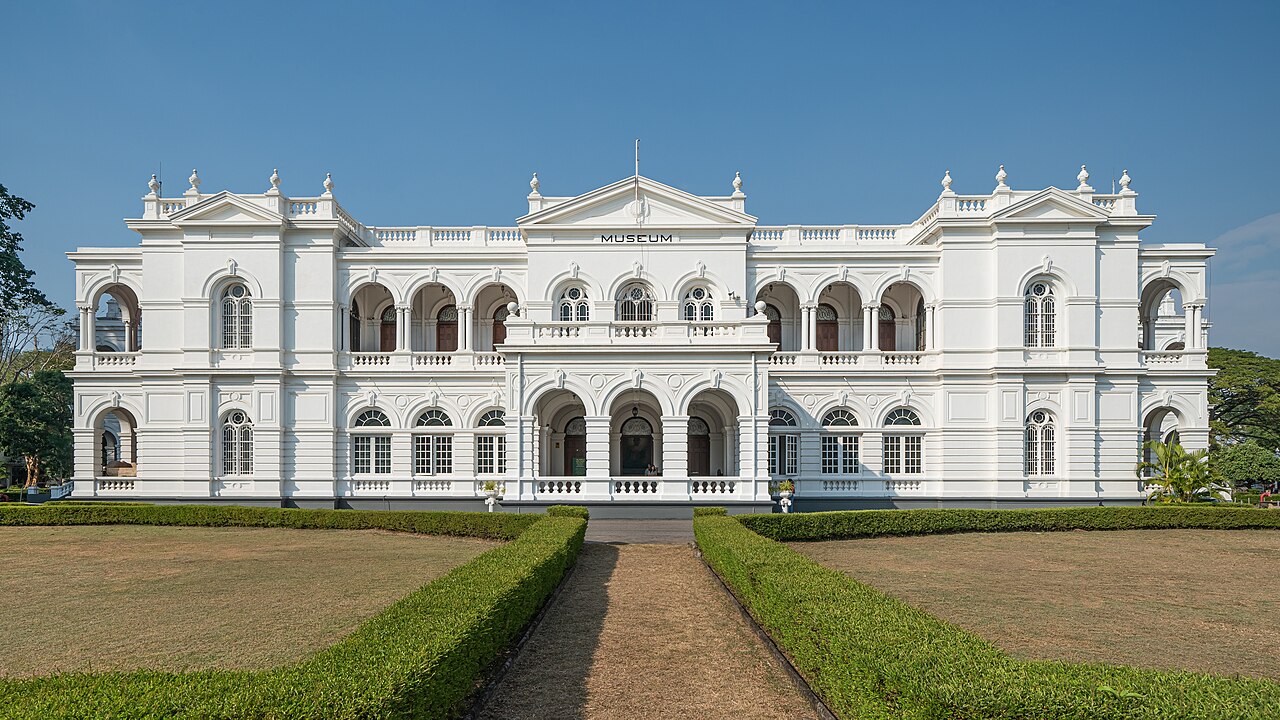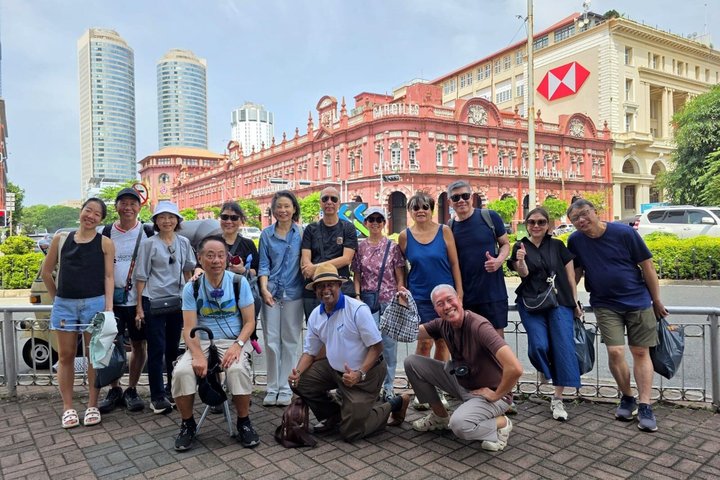
Colombo is a city of layers, and its buildings tell the story better than any museum label. A guided architectural tour reads those layers for you. Portuguese and Dutch traders left churches, ramparts and street plans; the British added clock towers, post offices, hotels and court buildings in a heavy Victorian style; and the twentieth century brought modernist banks, cinemas and the lighter, airier tropical modernism for which Sri Lanka became known. A good guide explains why verandahs are deep, why windows are shuttered and how the climate shaped everything from roof pitch to ceiling height. Tours usually concentrate on the Fort and Pettah districts, with detours to Cinnamon Gardens and the seafront depending on the route, so check the current itinerary when you book.
How it works
You book a date and time, meet the guide at the starting point and walk or ride between stops. The tour is more intellectual than a general city tour, which makes it a good choice for second visits or for travellers with a particular interest in design and history. Check the length and whether transport is included when you book.
What to expect
Expect a mix of exterior viewing and the occasional interior, subject to what is open on the day. The guide explains the difference between Dutch and British construction, points out colonial survivors that are easy to miss in traffic and shows how older buildings have been reused as shops, offices and restaurants.
Fort in particular rewards slow attention, because many of its grandest buildings sit behind security gates or in side streets, and a guide knows where to look. Photographers will find a great deal to shoot, from the red-and-white stripes of a mosque to the arches of an old arcade.
Making the most of it
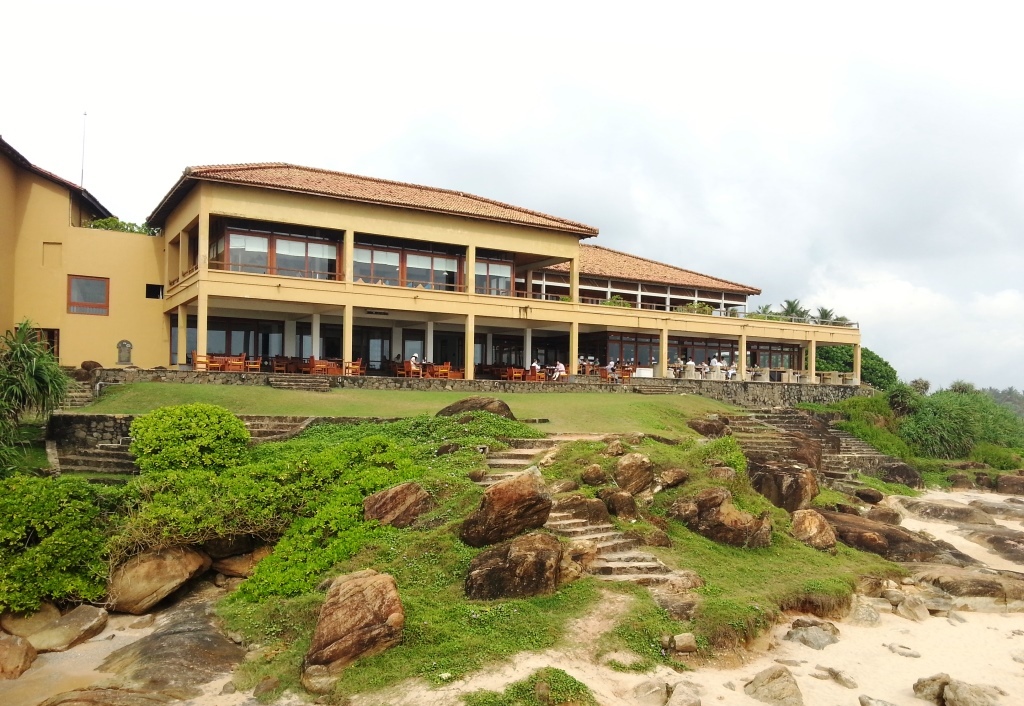
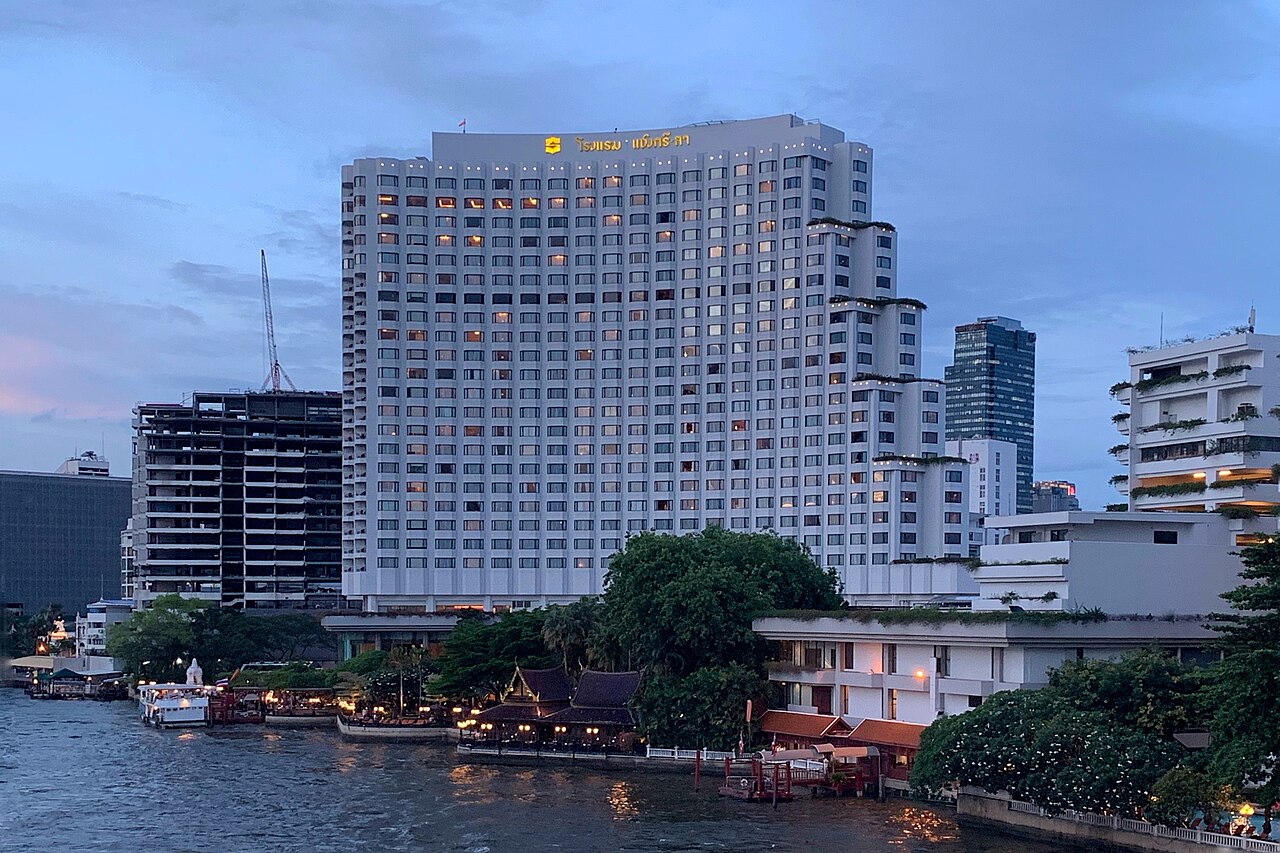
Go in the morning, when the light is soft and the heat manageable, and wear comfortable shoes for pavements that are sometimes uneven. Bring water and a hat, and carry a camera rather than relying on a phone battery. Ask the guide about the contrast between the colonial city and the newer waterfront district, where the skyline changes fast. If you want to go deeper, follow the tour with a stay at one of the grand hotels in the city, many of which are architectural landmarks in their own right.
What to expect
The experience
A guided walk, with some transport between areas, through the colonial and modern landmarks of Colombo.
Best time
Morning, for cooler air and softer light before afternoon storms.
How long
About three hours, though check the exact length when you book.
Tips
Wear comfortable shoes, carry water and a hat, and keep a camera ready; security gates may limit interior access in some areas.
Quick picks
- Best for
- Design and history lovers who want to read Colombo through its buildings.
- Families
- Better for older children with an interest in history; younger ones may tire in the heat.
- Couples
- A thoughtful morning that pairs well with a long lunch in a colonial-era hotel.
- Pair with
- The Fort and Pettah walking tour, or the National Museum.
- Time needed
- Half a day.
Good questions
Do I need to know about architecture?+
No. The guide explains the styles in plain terms, and the tour is as much about stories as about buildings.
Which buildings are covered?+
Routes vary, but typically include the Fort district, Dutch and British landmarks and some twentieth-century buildings. Check the current itinerary when you book.
Can I go inside the buildings?+
Some are open to visitors and some are not. The guide will take you inside where access allows.
Is the tour accessible?+
It involves walking on pavements that may be uneven. Ask about mobility options when you book.
When is the best time of year?+
December to March is driest on the west coast. In wetter months, start early and keep the afternoon free.