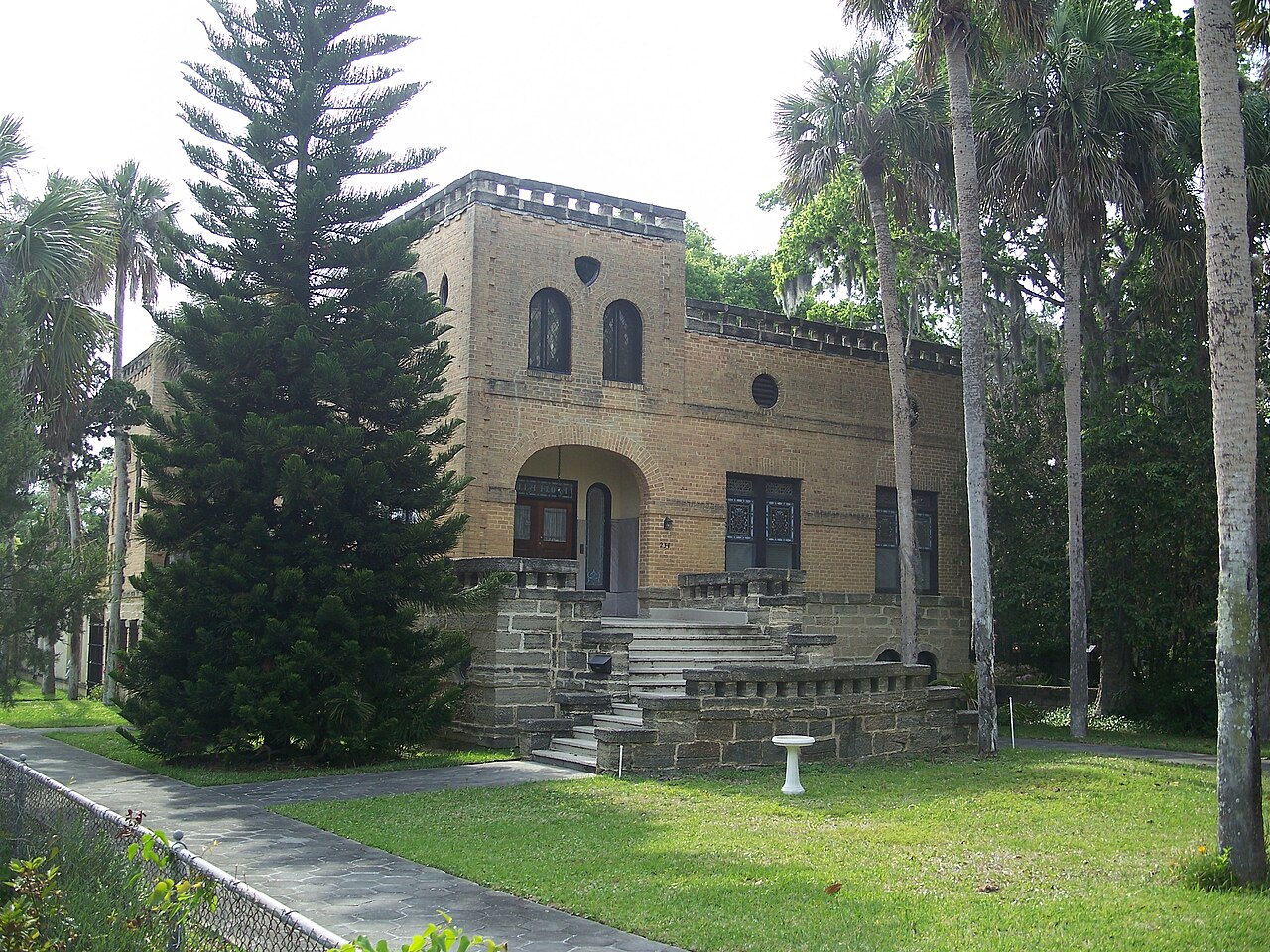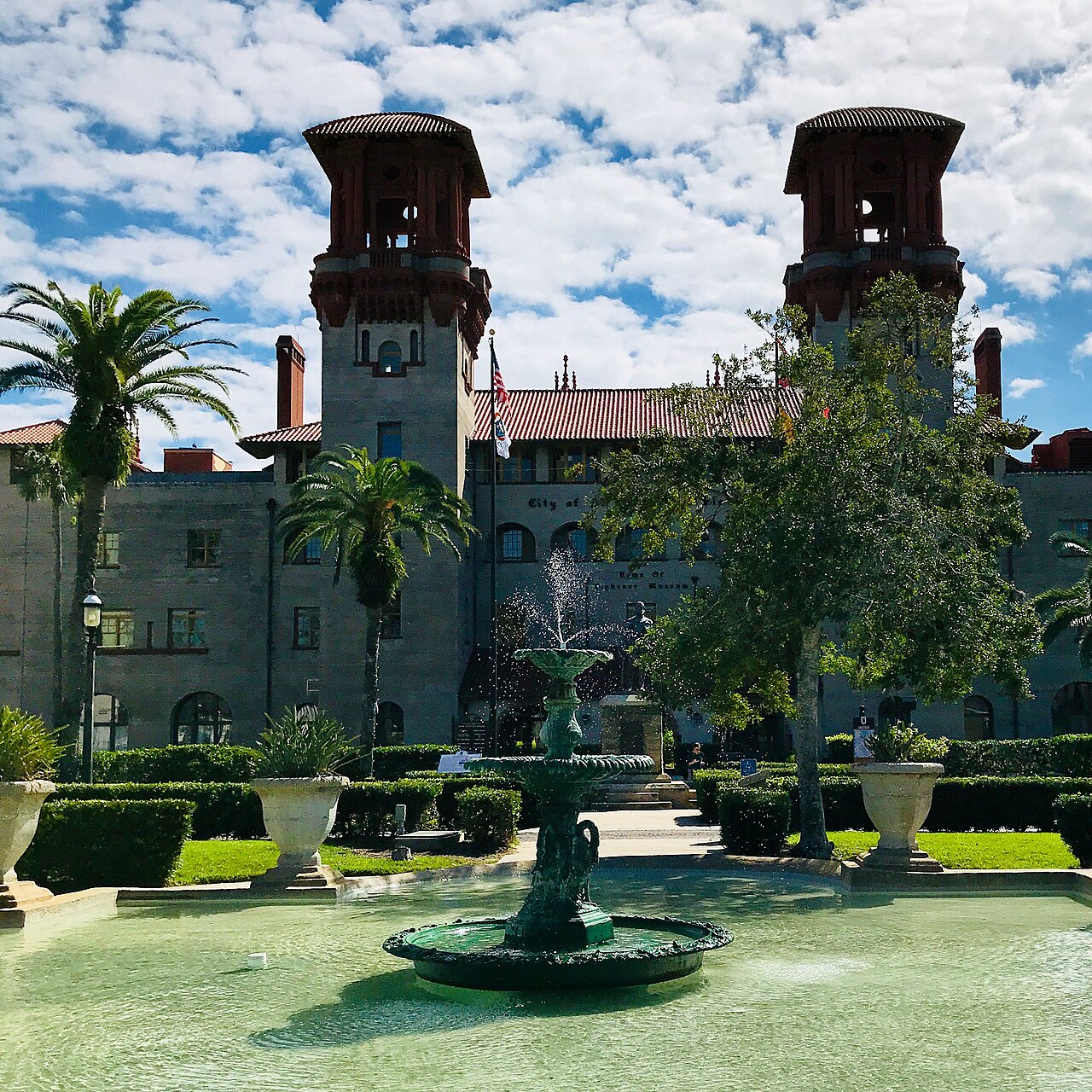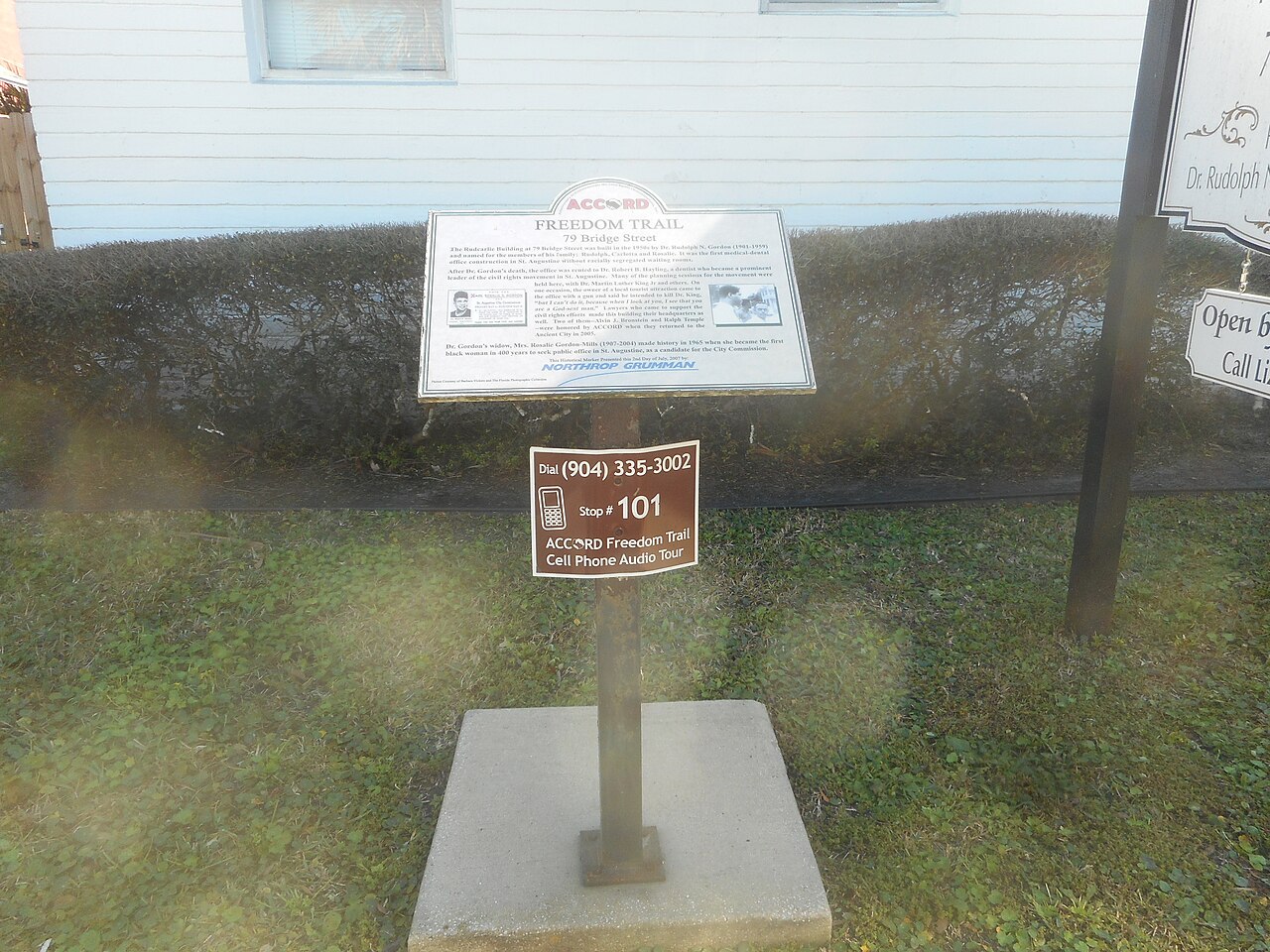
Lincolnville is the St. Augustine chapter that most visitors miss, and it is a short walk south and west of the Plaza de la Constitución. Formerly enslaved people founded the neighborhood in 1866 and named it for President Lincoln, and it grew into the city’s most prominent historically Black community, with its own churches, businesses, schools and a streetscape of nineteenth-century cottages and Victorian houses that now forms a National Register historic district. In 1964 Lincolnville became the base of one of the most important campaigns of the civil-rights era. As St. Augustine prepared to celebrate its four-hundredth anniversary, local activists and the Southern Christian Leadership Conference pressed for desegregation; Martin Luther King Jr. was arrested in the city that June; Andrew Young led a night march from Lincolnville to the plaza, where marchers were attacked; and protests at segregated beaches, pools and lunch counters drew national attention in the weeks before Congress passed the Civil Rights Act. The ACCORD Freedom Trail, a self-guided route of 31 historic markers, identifies the homes, churches and protest sites tied to those events, many of them in Lincolnville. The Lincolnville Museum and Cultural Center occupies the former Excelsior School, the city’s first public Black high school and a National Register building, and its exhibits span more than 450 years of Black history in the region, from West African empires and early colonial Florida to the civil-rights years, with art, lectures, oral histories and performances. Back on the plaza, the Foot Soldiers Memorial and the brass footsteps of the Andrew Young Crossing complete the story.
How to visit: Lincolnville is a residential neighborhood, not an attraction with a gate, so treat it as a walk. Start at the Plaza de la Constitución with the Foot Soldiers Memorial and the Andrew Young Crossing, then head down to Martin Luther King Avenue and the Lincolnville Museum and Cultural Center at 102 ML King Avenue, which has a modest admission and posts its hours and guided-tour days on its own calendar. From there, follow the ACCORD Freedom Trail markers through the streets; the trail map is available online, and local guides periodically lead walking tours of the neighborhood, which bring the stories and the people behind them to life. Be respectful: these are people’s homes.
Beyond the history: Lincolnville has also become one of St. Augustine’s most interesting dining and living areas, with restored houses, small restaurants and cafes and a weekend market scene that shifts season to season, along with waterfront views over the San Sebastian River at its western edge. The architecture alone — porches, gingerbread trim, shotgun houses — rewards a slow stroll, especially in the cooler months.
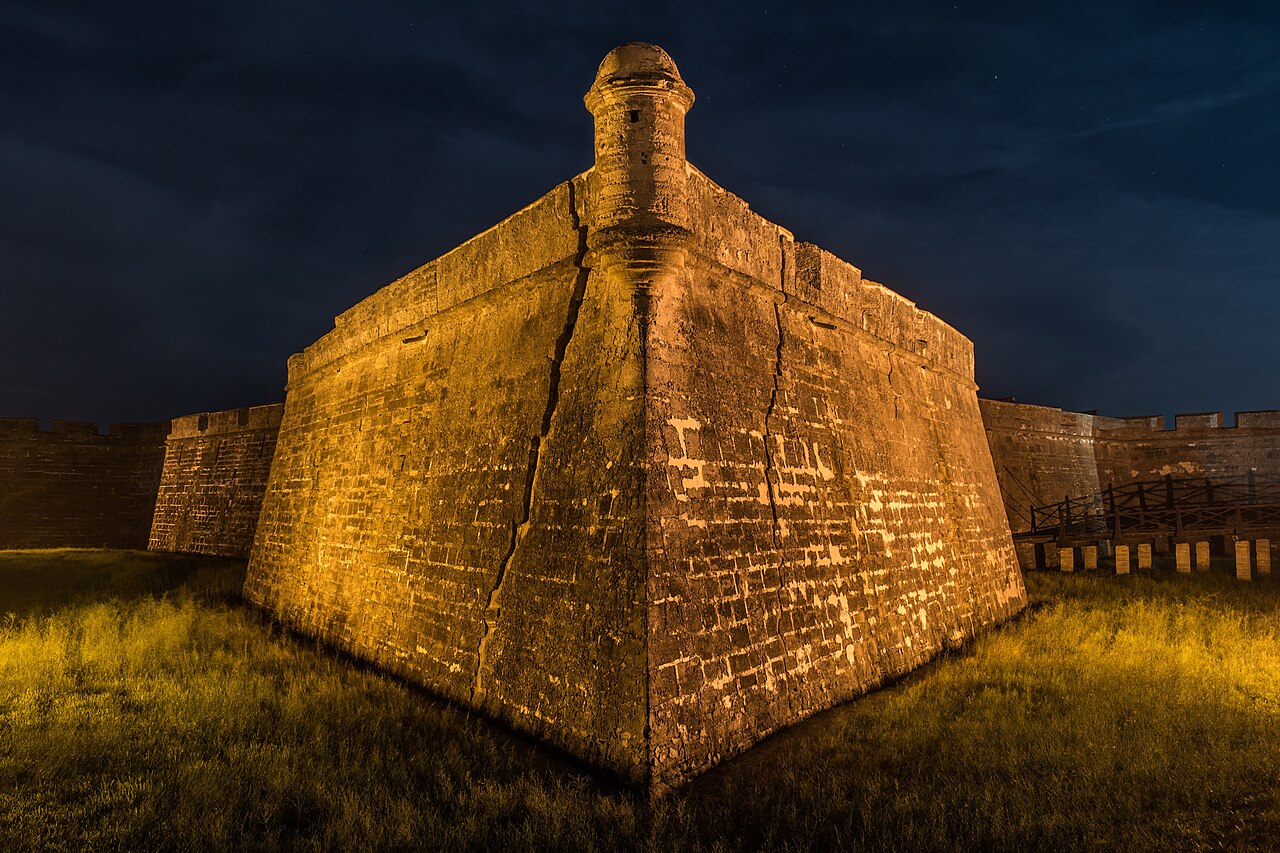
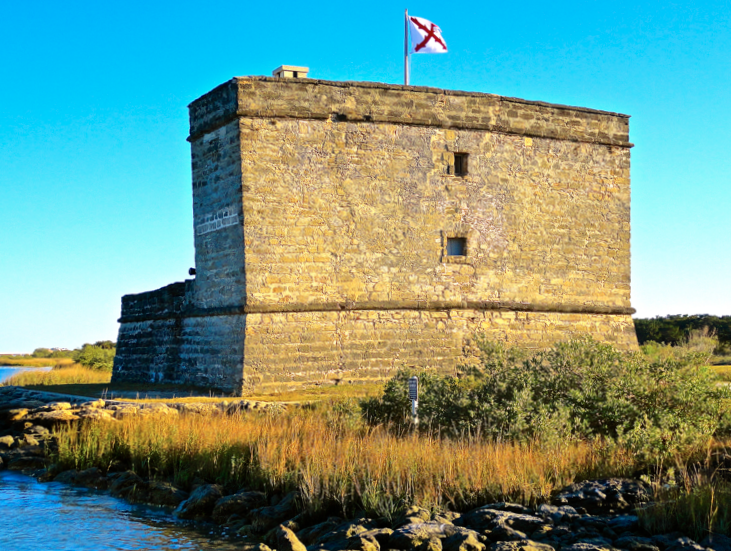
Why it belongs on your list: St. Augustine markets itself on its Spanish founding, and that story is real, but the city’s modern history ran through these streets. A Lincolnville walk adds perspective to everything else you see, from the plaza where marchers were attacked to the beaches that were once segregated, and it pairs naturally with Fort Mose, the eighteenth-century free Black settlement north of town, for a four-century view of Black St. Augustine. Allow two hours for the museum and a walk, or half a day with a guided tour.
What to expect
The experience
A self-guided neighborhood walk following ACCORD Freedom Trail markers, with the Lincolnville Museum and Cultural Center in the former Excelsior School and civil-rights memorials on the plaza.
Best time
Cooler mornings or late afternoons; check the museum calendar for guided tours and talks.
How long
About two hours with the museum, half a day with a guided walk.
Tips
Start at the plaza memorials, then walk to ML King Avenue. Download the trail map. It is a residential area, so be respectful of homes and residents.
Quick picks
- Best for
- Travelers who want the civil-rights and Black history of St. Augustine, told where it happened.
- Families
- Meaningful for older kids and teens studying the civil-rights era; the museum gives context.
- Couples
- A thoughtful walk followed by dinner at one of the neighborhood’s small restaurants.
- Pair with
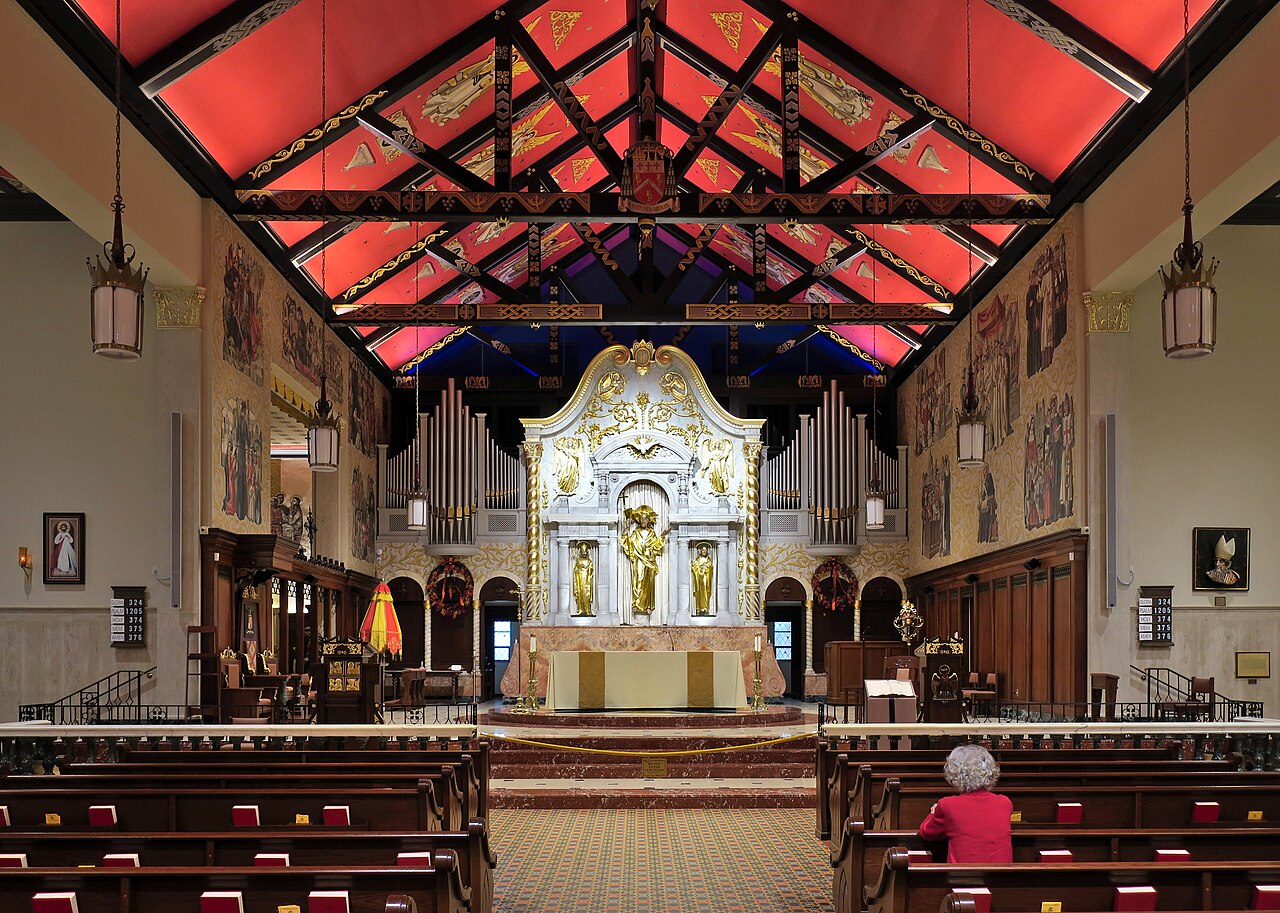
- Fort Mose for the colonial chapter of the same story, and the Cathedral Basilica on the plaza.
- Time needed
- Two hours to half a day.
Good questions
When was Lincolnville founded?+
In 1866, by formerly enslaved people, who named it for President Lincoln. It is a National Register historic district.
What happened in St. Augustine in 1964?+
A major civil-rights campaign based in Lincolnville, including Martin Luther King Jr.’s arrest in the city and Andrew Young’s night march to the plaza, which drew national attention before the Civil Rights Act passed.
What is the ACCORD Freedom Trail?+
A self-guided route of 31 historic markers identifying sites important to St. Augustine’s civil-rights movement.
Where is the Lincolnville Museum?+
At 102 ML King Avenue, in the former Excelsior School, the city’s first public Black high school. Check its calendar for hours and tours.
Is it free?+
Walking the neighborhood and the trail is free; the museum charges modest admission.