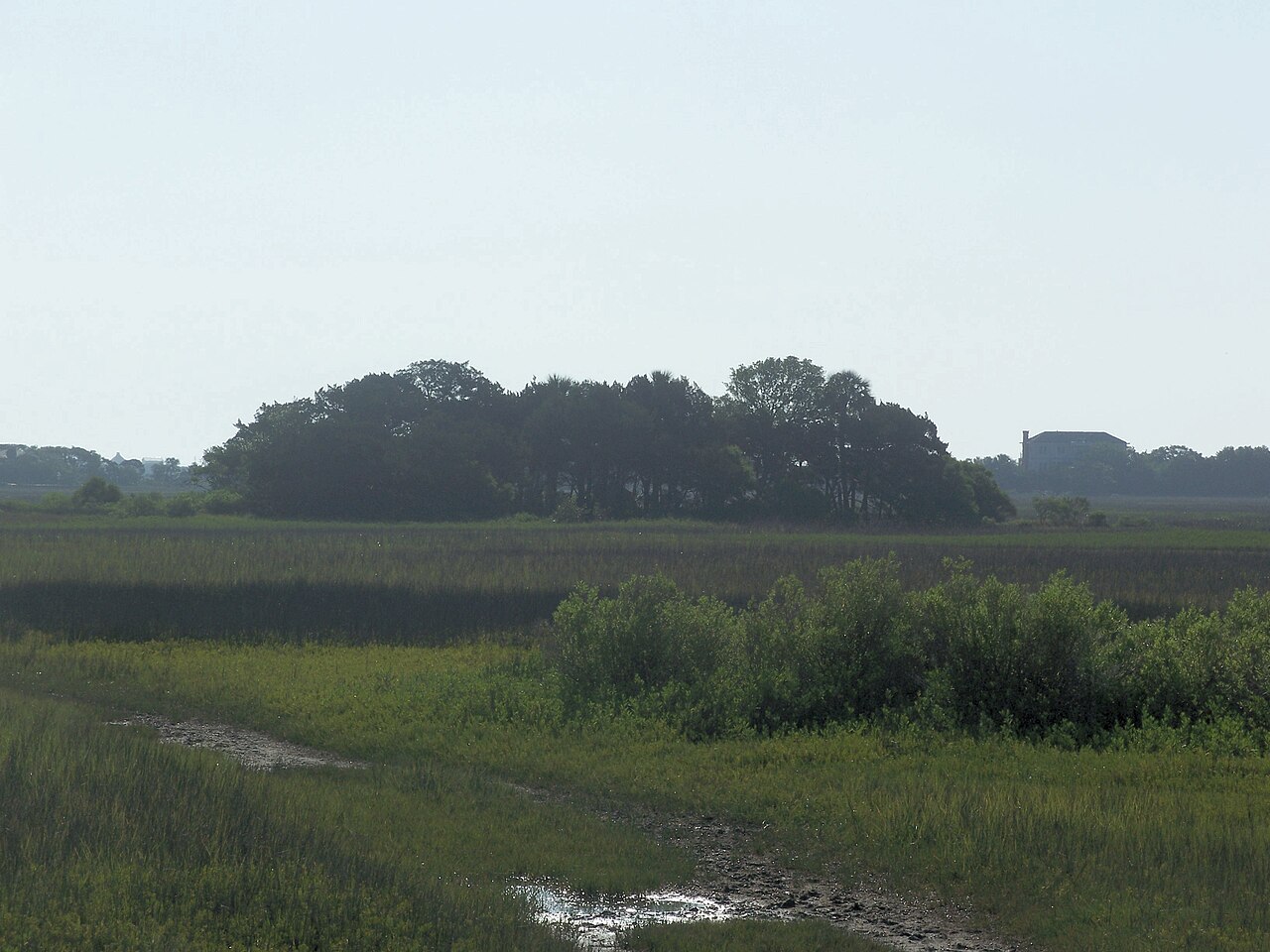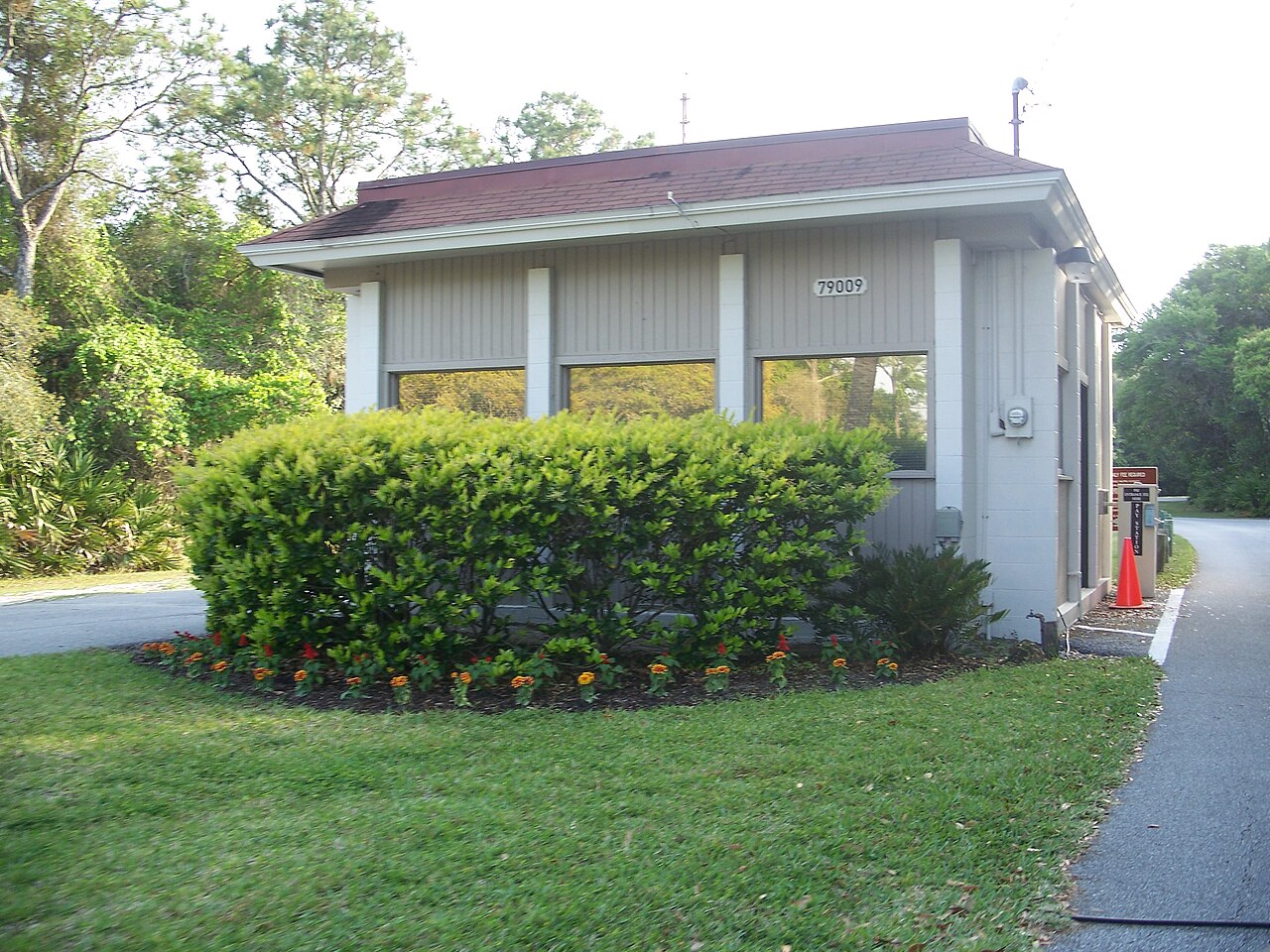
The GTM Research Reserve is where the coast north of St. Augustine looks the way it did before the condos. It is a National Estuarine Research Reserve, managed by the state with federal partners, protecting a huge sweep of salt marsh, tidal rivers, maritime hammock, dunes and beach between Ponte Vedra Beach and the Matanzas Inlet, and its scientists study the health of the estuary that feeds the region’s fish, shellfish and birds. For visitors, the heart of it is the Guana area, about twenty-five minutes north of the historic district on A1A. On the west side of the highway, roughly ten miles of nature trails and old service roads wind through oak and palmetto hammock, past the shores of Guana Lake and out to marsh overlooks; the trails are popular for walking, running and mountain biking, and horseback riding is allowed on weekdays. Birding is outstanding, with wading birds, raptors, painted buntings in season and migrating songbirds in spring and fall. On the east side, three beach parking lots connect by dune walkovers to a long, undeveloped beach of tan coquina-tinted sand, one of the emptiest in northeast Florida, with no buildings and no lifeguards. The reserve’s visitor center has exhibits on the estuary and hosts programs and guided walks, and the Guana River Dam area is a favorite fishing spot. It is wild, uncrowded and genuinely restorative after a day in the old town.
Practicalities: trails and the Guana beach parking areas open daily from 8 a.m. to sunset, every day of the year; the visitor center keeps shorter hours, Tuesday through Saturday. A modest daily parking fee applies, and annual parking passes are available. The south beach lot is wheelchair accessible. There are no lifeguards on the beach, so swim cautiously or not at all and heed the flags and rip-current warnings. The trailhead is at the west end of the Guana River Dam; maps are posted and available online. Ticks and biting insects are common year-round and heavy from late April through early September, so wear repellent, long pants on the trails and check yourself afterward. Shade on the beach is nonexistent; bring your own.
When to go: fall, winter and spring are best for hiking and birding, with cooler air and fewer insects. Early mornings on the trails bring the most wildlife; late afternoons on the beach bring soft light and near solitude. Sea turtles nest on the beach in summer, and lights-out rules apply. Paddlers can launch into the Guana River and lake, though low tide exposes mudflats that can make the river unnavigable.
How it fits a trip: the reserve is a natural stop on a drive north to Ponte Vedra Beach or Jacksonville, or a half-day escape from the city combined with Vilano Beach on the way back. It suits active travelers, birders and couples looking for a beach without crowds, and families with kids who like trails and nature centers. Pair it with Anastasia State Park to the south for a contrast: Anastasia for facilities and calm-water paddling, GTM for wilderness.
What to expect
The experience
A protected estuarine reserve with about ten miles of hammock and marsh trails, three beach lots with dune walkovers to an undeveloped beach, a fishing dam area and an environmental education center.
Best time
Fall through spring for trails and birding; early mornings for wildlife, late afternoons for an empty beach.
How long
Half a day for trails and beach.
Tips
No lifeguards. Wear repellent and check for ticks. Bring shade and water. The visitor center is open Tuesday through Saturday only.
Quick picks
- Best for
- Hikers, birders and beachgoers who want wilderness instead of resorts.
- Families
- Good for active kids who like trails and nature exhibits; supervise closely on the unguarded beach.
- Couples
- A long, nearly empty beach walk at golden hour.
- Pair with
- Vilano Beach on the way back to town, and Anastasia State Park for the southern contrast.
- Time needed
- Half a day.
Good questions
Where is the GTM Research Reserve?+
The main Guana area is on A1A between St. Augustine and Ponte Vedra Beach, about twenty-five minutes north of the historic district.
Is there a fee?+
A modest daily parking fee applies; annual parking passes are available.
Can you swim at the beach?+
You can, but there are no lifeguards and rip currents occur, so swim with great caution or stick to beach walks.
When is the visitor center open?+
Tuesday through Saturday during the day. Trails and beach lots open daily from 8 a.m. to sunset.
Are there bugs?+
Yes. Ticks and biting insects are common year-round and heaviest from late April through early September; wear repellent and long pants on the trails.