St. George is a city built by people who were told to make a home in one of the hottest, driest corners of the American West. The story of how they did it is spread across the valley, from sandstone landmarks downtown to a hand-dug canal in Hurricane and a silver ghost town in Leeds. This self-guided trail links the main sites so you can follow the narrative in a single day or spread it over two.
Stop one: the St. George Tabernacle
Start downtown, where the settlement began. In 1861 families sent by church leaders arrived to grow cotton and other crops, and within a few years they began building public monuments. The Tabernacle, with its red sandstone walls and white clock tower, is the grandest of them. Go inside if it is open, and ask the volunteers about the people who cut and hauled the stone.
Stop two: the temple visitors center
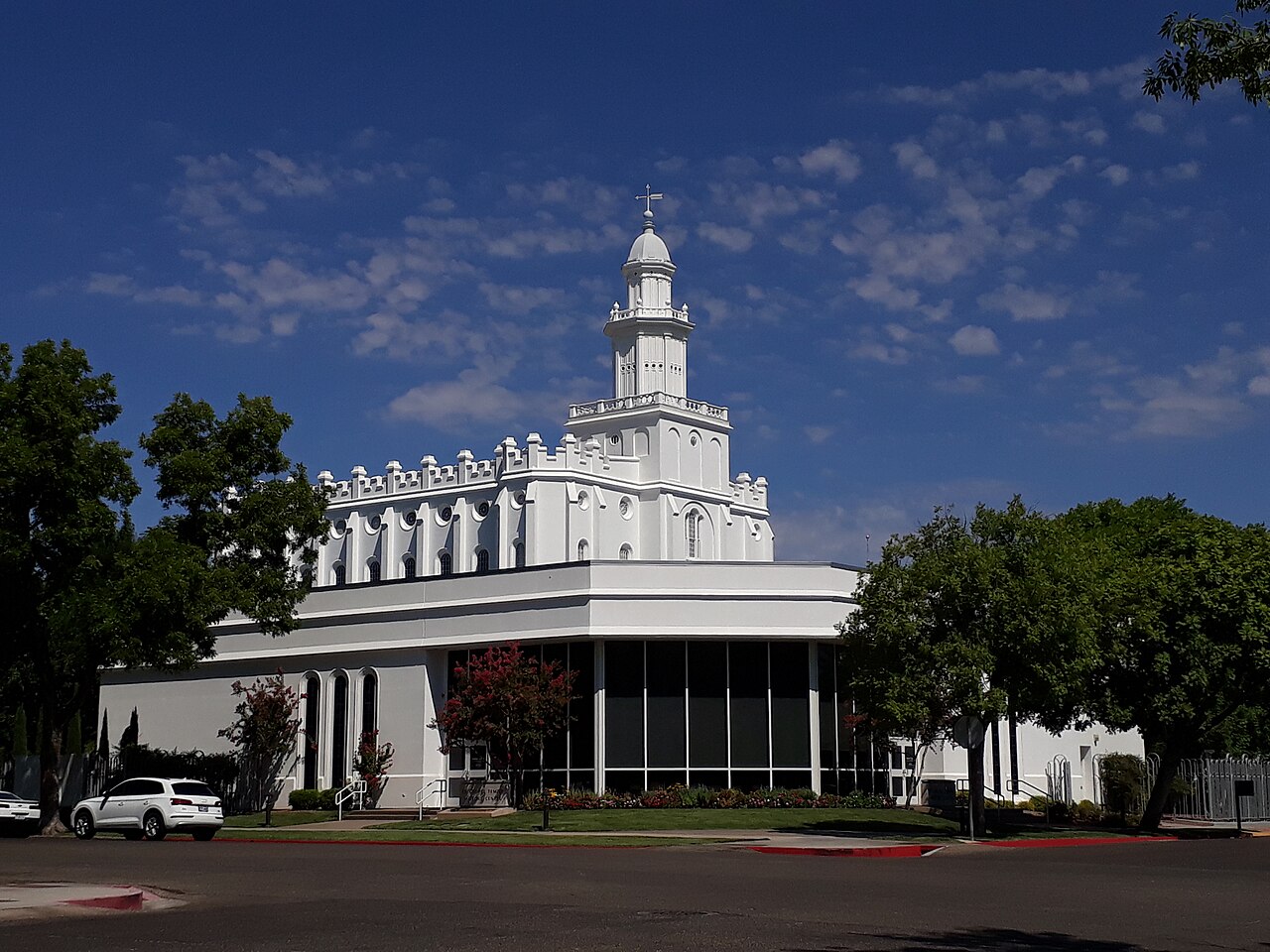
A few blocks away, the St. George Utah Temple is the oldest operating temple of its faith. The visitors center is free, and the grounds are lovely. Even if you are not religious, the story of how a community of settlers built such a structure in a few years is compelling.
Stop three: the Brigham Young Winter Home
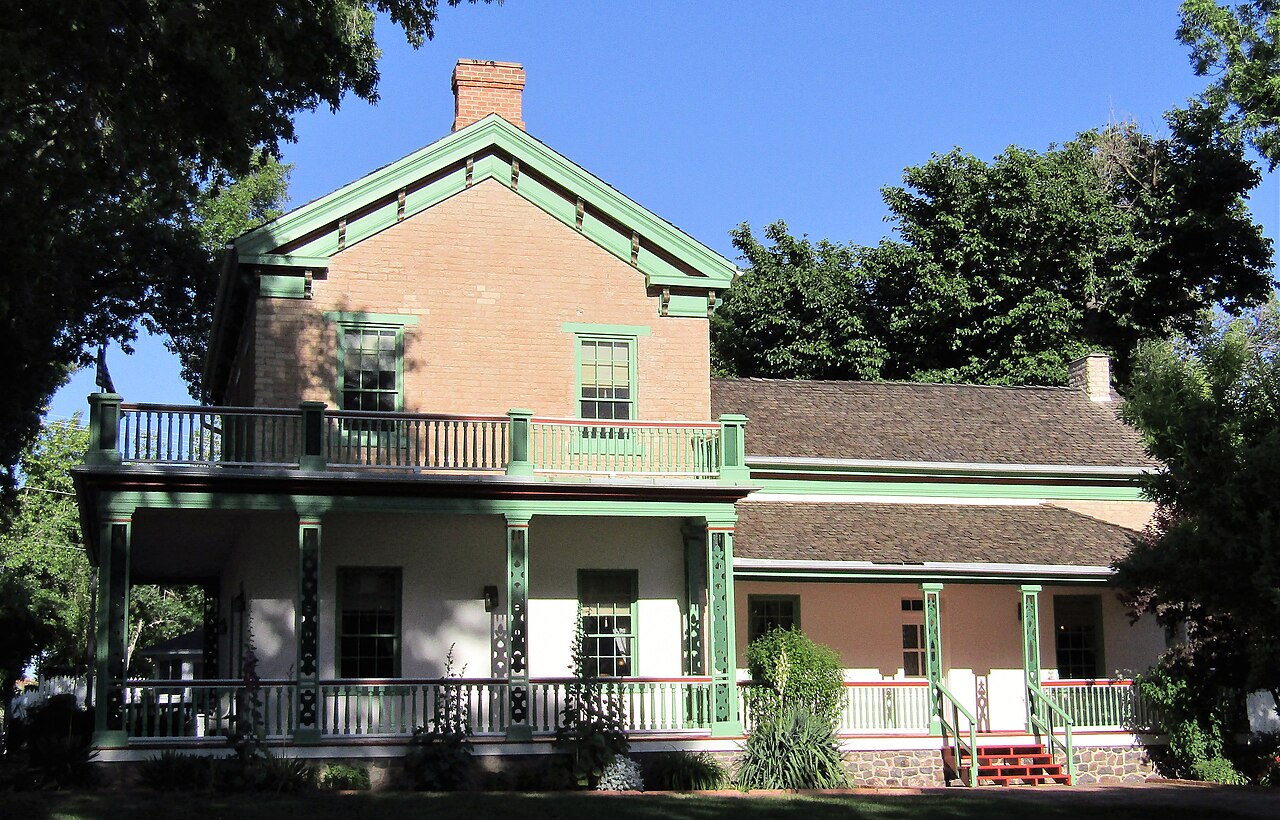
Next, visit the house where the church leader spent his last winters. The tour is short, free and full of details about daily life. Together, these three stops make up the downtown core of the trail, and you can walk between them.
Stop four: the Jacob Hamblin Home
Drive west to Santa Clara, where a frontier missionary built a sturdy stone house in the early 1860s. The site adds a different perspective, one that includes relationships between settlers and Native American communities. Ask the guides about the complicated aspects of this history.
Stop five: Silver Reef
Head north to Leeds and Silver Reef, a boomtown that grew in the 1870s after silver was found in sandstone. Visit the museum in the restored Wells Fargo building if it is open, and walk the ruins. The boom faded, but the story remains one of the most distinctive in Utah.
Stop six: the Hurricane Canal
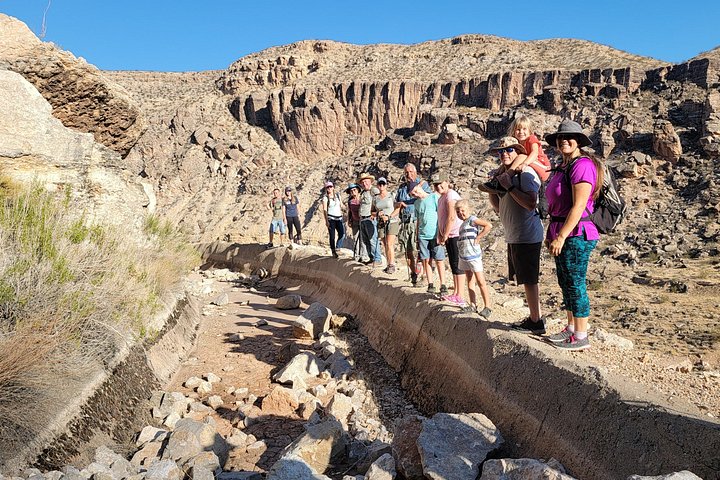
Finally, drive east to Hurricane, where settlers carved an irrigation canal into cliffs by hand. A guided walk tells the story and ends at a riverside park. The canal explains why the valley is green today, and it shows the scale of effort that went into settling the region.
Optional extras
Add the Pioneer Park viewpoint for a sunset, the Pine Valley Chapel for an alpine detour and a downtown walk for dinner. If you are traveling with children, break the trail into shorter segments, mix in swimming and picnics and focus on the stories that grab their imagination, such as the rope-lowered canal builders or the silver in the sandstone.
Planning tips
Many of these sites are volunteer-run, so hours vary by season. Check before you go, and combine stops that are close together. Wear comfortable shoes, carry water and respect the religious character of church-run sites by dressing neatly and speaking softly. Allow a full day for the complete route, or split it into two half days.
Why it matters
Following the trail gives you more than a list of old buildings. It reveals a place where faith, farming and mining collided with a harsh landscape, and where ordinary people did extraordinary things with simple tools. When you look at the red cliffs afterward, you will see them differently.
Reading before you go
A short book or article about the Dixie Mission, the cotton experiment and the silver rush will make the trail richer, and local museums and visitor centers often sell inexpensive guides. Take a notebook or voice memo app for questions you want to ask the volunteers, and thank them for their time. Many of these places depend on donations of effort, and a friendly, curious visitor is the best reward. If you can, visit a couple of the sites on weekday mornings, when staff have more time to talk. Pack water and a light snack, because some of these stops are small and far from cafes, and keep a folder or phone album for photographs of interpretive signs so you can look up details later.