Food in St. John's is a story about the sea, the weather and a long tradition of making a good meal from simple things. The city has a lively dining scene built on cod, mussels, crab, salmon and local game, and a pub culture that centres on music and conversation. This guide explains what to try, where to find it and how to fit meals into a trip, without tying you to any one restaurant, because menus and opening hours change from season to season.
Start with the classics
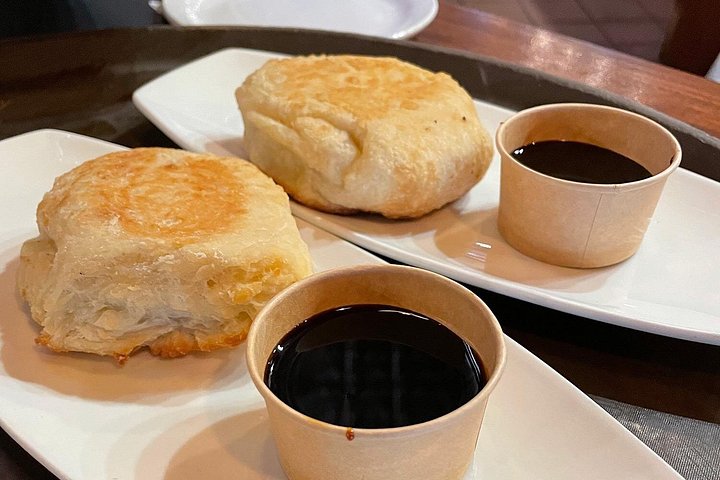
Newfoundland cooking has its own vocabulary, and the best way to begin is to learn it. Toutons are pan-fried rounds of bread dough, usually served at breakfast with molasses or butter. Fish and brewis combines salt cod with hard bread, softened and served with scrunchions, which are crisp bits of pork fat. Jiggs dinner is the traditional Sunday boiled dinner of salt beef, root vegetables and cabbage, often with pease pudding. Cod tongues, which are small pieces of fried cod, are a local favourite, and seafood chowder is a reliable choice almost everywhere. Look for partridgeberries and bakeapples, two wild berries that appear in jams, desserts and sauces, and try a slice of tart or pudding if you see one.
Where to eat
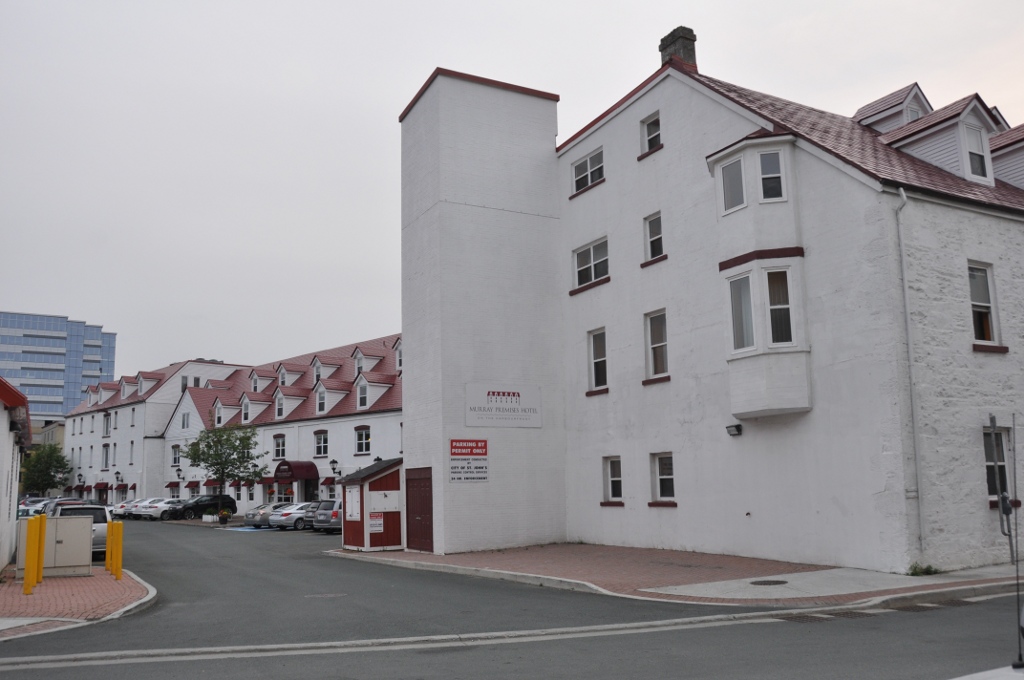
Most of the best-known restaurants are downtown, on Water Street, Duckworth Street and the streets around George Street. A short walk can take you from a casual fish-and-chips counter to a tasting-menu restaurant, and the quality of local seafood is generally high. Several of the hotels have restaurants that serve local dishes, including Bivver at the Sheraton, Terre at Alt Hotel and the restaurants at the Courtyard, which is a handy way to try the classics without leaving your base. Outside the downtown core, small outport cafes and village restaurants on the Avalon Peninsula are worth a stop on a day trip, though hours can be short, especially outside summer, so check ahead.
Take a food tour early
The best introduction to the cuisine is a guided food tour, which walks you between several tasting stops and explains the history behind each dish. Doing it on your first day means you will know what to order for the rest of the trip, and you will have met a local who can recommend places. The food tour lasts about three hours and covers roughly two kilometres on foot, with some stairs and a hill, so wear comfortable shoes. It is a good fit for couples and for families with older children, and it finishes close to the pubs of George Street.
Pubs, music and drinks
George Street is the pub street, a few blocks of bars with live music most nights, from traditional fiddle and accordion to rock and pop. It is busiest from Thursday to Saturday and on long summer evenings. Many places offer a screech-in, a playful ritual in which visitors become honorary Newfoundlanders, usually with a shot of rum, a few words of local dialect and a kiss on a fish. It is optional and good-natured. Local beer is worth trying, and a craft brewery near Quidi Vidi is well known for beer brewed with iceberg water, so ask what is on tap. The legal drinking age is nineteen, so carry photo identification.
Planning meals around sights
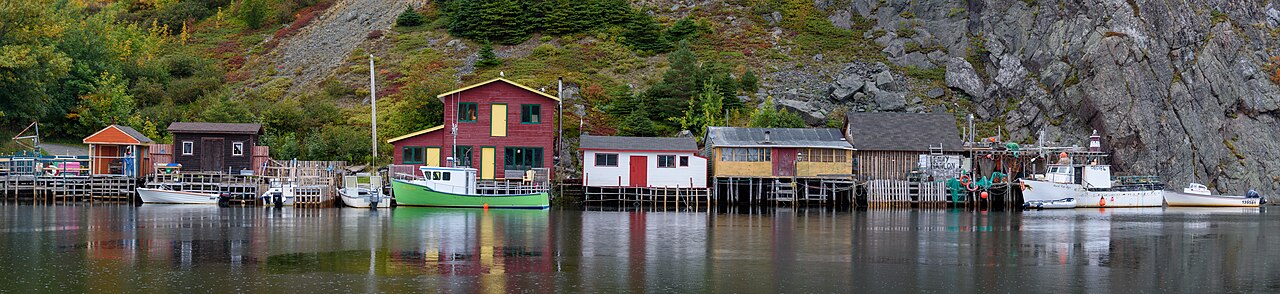
Fit lunches around the places you are visiting. At Signal Hill and Cape Spear there is little food in the off-season, so bring a snack and a flask. In Quidi Vidi Village, the waterfront has a small number of places to eat and drink, and they are popular on warm days. On a boat trip or a long hike, pack water and something to eat. On the Irish Loop, small villages have limited options, so a packed lunch or a planned stop at a larger community makes sense. Reservations are sensible on summer weekends and during festivals, when downtown restaurants fill early.
Seasons and practicalities
Summer brings the busiest restaurants, patios and the longest evenings, while autumn and spring are quieter and easier for walk-in tables. Winter is a time for hearty dishes, warm pubs and indoor music, though some seasonal places close. Prices are moderate by Canadian standards, although they rise in peak summer. If you have dietary needs, tell your server early, since seafood is central to the cuisine, though vegetarian and gluten-free options are increasingly available. Tipping follows the usual Canadian custom.
A simple plan
Begin your first day with a touton breakfast, join a food tour in the afternoon, and end the evening on George Street. On day two, have a packed lunch for the coast and a seafood dinner downtown. On day three, try a village stop on the Avalon, and finish with a quiet pub night. Ask locals what they eat and where, because St. John's is a place where the best advice comes from conversation.