The best time to visit St. John's depends on what you want to see. The city is a year-round destination, but the headline wildlife and the best weather are concentrated in a few months, and several of the main attractions keep seasonal hours. This guide takes the year season by season, with patterns rather than exact dates, since conditions change from one year to the next and nothing in the natural world is guaranteed.
Spring: icebergs and the first whales
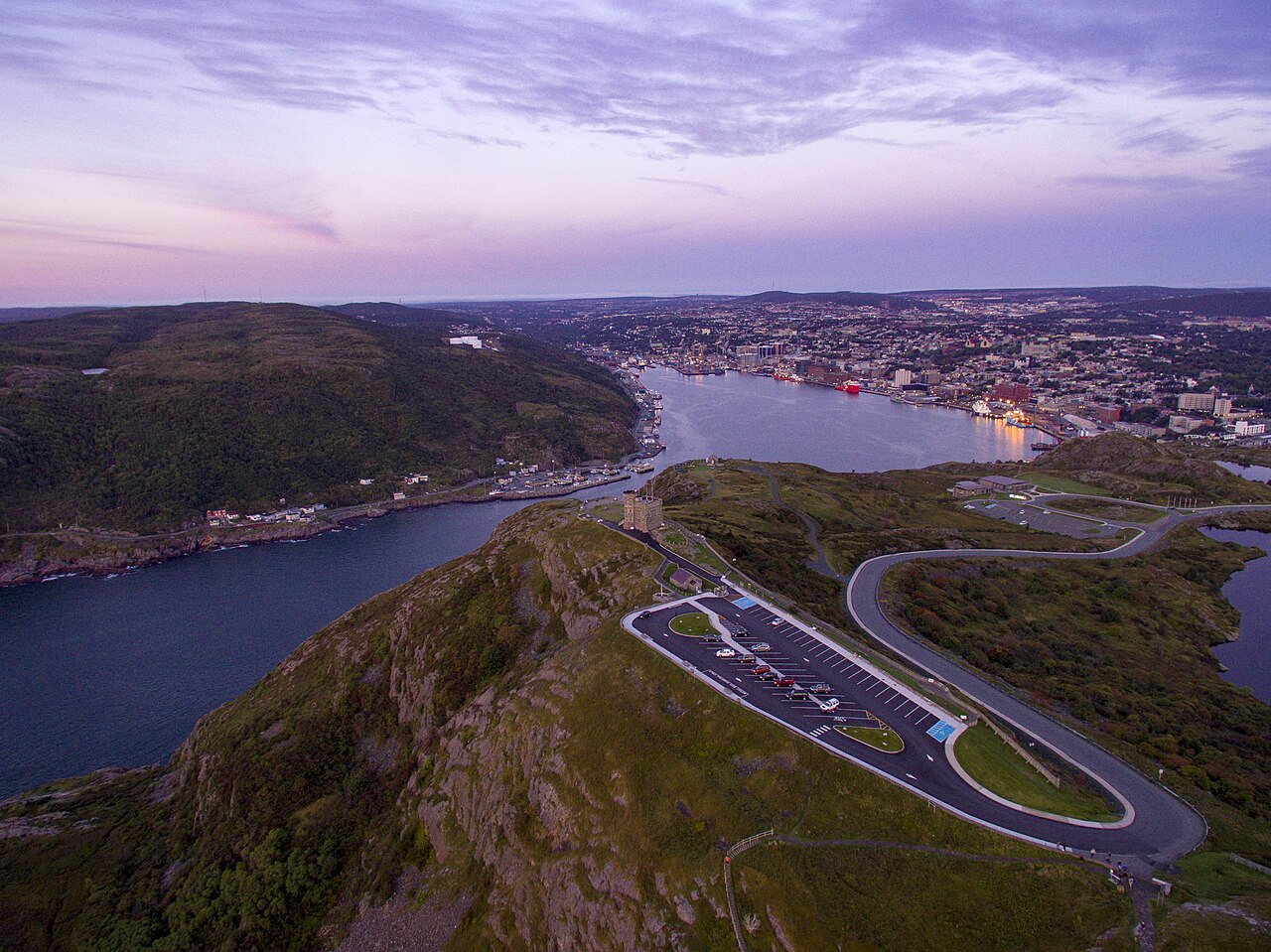
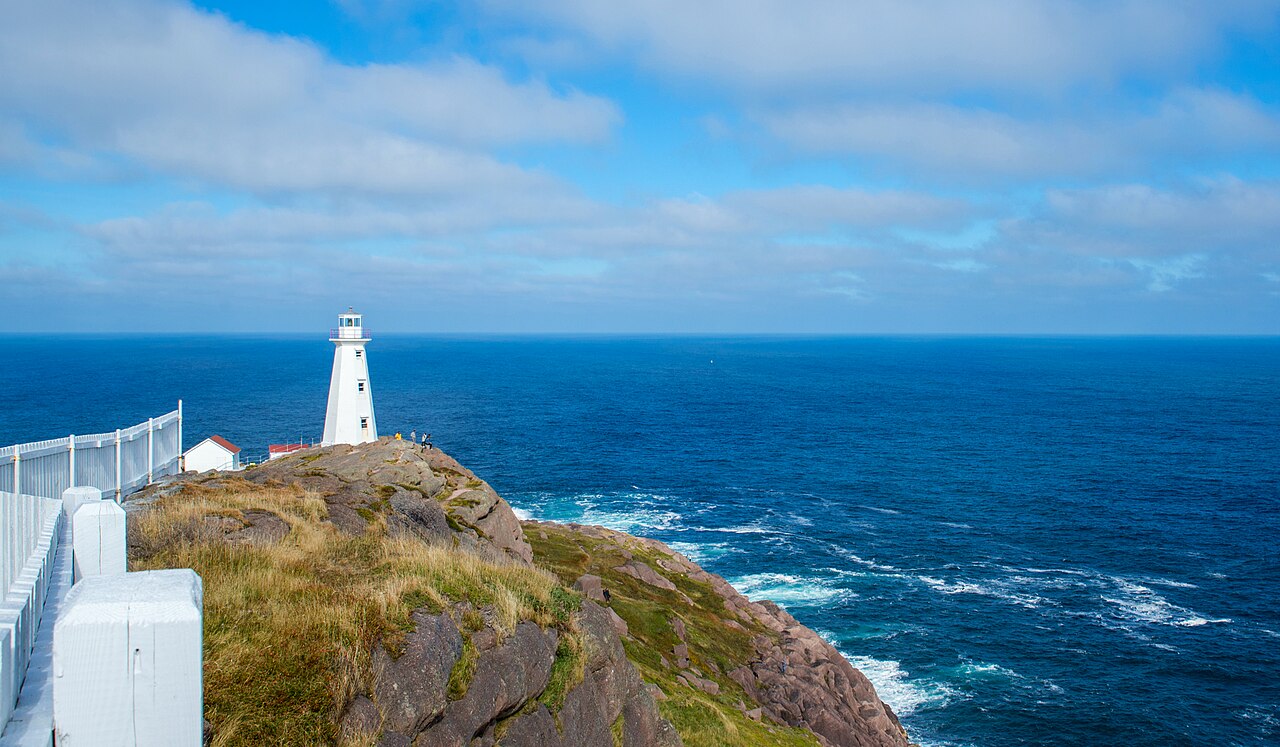
Spring is a time of change. Icebergs drift south along the coast from late spring into early summer, and they are most likely to be seen from Signal Hill, Cape Spear and the clifftops on the Avalon, though numbers vary a great deal from year to year and sometimes they are scarce. The first whales appear from about May, and the first puffins arrive at the Witless Bay islands in late May. Weather is cool, damp and often foggy, and the coastal paths can be muddy. The upside is quiet streets, lower prices and a good chance of an iceberg sighting. The Johnson Geo Centre and several other attractions run reduced hours in the early part of spring, so check before you go.
Summer: the main season
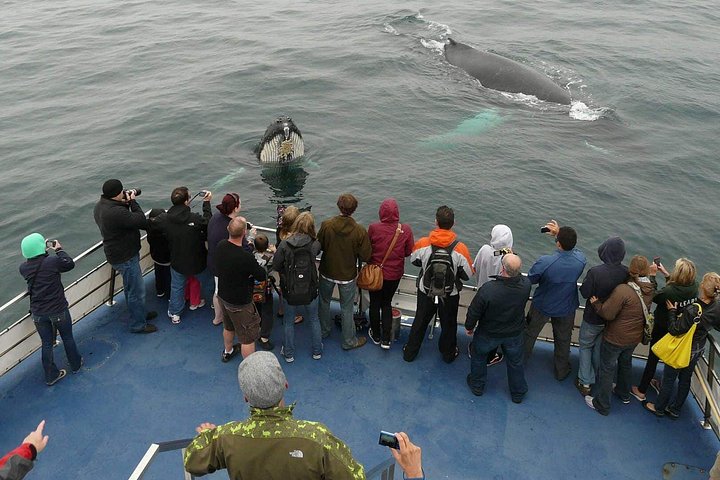
From June to August the city is at its best and busiest. Days are long, daytime temperatures are mild, often in the low twenties Celsius at their highest, and the whole range of experiences is open. The Witless Bay boat tours run through the season, puffins are on the islands until about early August, and whales are regular visitors. The Colony of Avalon and the Mistaken Point guided tours operate, and Signal Hill and Cape Spear have their visitor services running. George Street is lively, and a major street festival takes place in the summer. Book hotels, boat tours and popular guided tours well ahead in July and August, because small groups sell out. Fog is still possible, so keep your plans flexible.
Autumn: colour, calm and good value
September and October are an underrated time to visit. The crowds thin, the air is crisp, the barrens turn red and gold, and the light is soft. Some boat tours continue into early autumn, and a late-season puffin cruise may still run, though puffins leave the colonies by about August, so expect other seabirds and whales instead. Signal Hill and Cape Spear keep their visitor services into early October, and after that the grounds stay open year-round without them. Hiking is pleasant, the pubs are cosy, and hotel rates ease. Storms can arrive, so allow some buffer in your schedule.
Winter: quiet and atmospheric
From November to March the city is quiet, cold and sometimes snowy. Boat tours and several seasonal attractions are closed, the Colony of Avalon is shut, and some services keep short hours. What remains is a strong set of indoor and urban pleasures: museums such as The Rooms, which closes on Mondays, the Johnson Geo Centre on its seasonal hours, the pubs of George Street, the food scene and the walkable streets of downtown. The grounds at Signal Hill and Cape Spear are open year-round, and a winter walk in the wind, with the surf below, is dramatic. Ice and snow can make steep streets slippery, so pack boots with good grip, and check road conditions before driving to the coast. Hotels are at their cheapest, and some of the best rates of the year are available.
Matching your dates to your plans
If you want puffins, aim for June and July. If you want whales, aim for June to August, with a good chance in May and early autumn. If you want icebergs, aim for late spring and early summer, and accept that it is not guaranteed. If you want fossils at Mistaken Point or the dig at Ferryland, choose summer. If you want gannets at Cape St. Mary's, summer is the breeding season. If you want quiet, low prices and city life, choose autumn or winter. For a balanced trip with good weather and open attractions, the second half of June to early September is the safest choice.
Weather and packing
Whatever the season, St. John's weather is changeable. Wind, fog and rain are common, and the temperature can change quickly. Pack layers, a waterproof jacket, a hat and comfortable shoes with good grip, since the streets are steep. In summer, bring sunscreen as well, since the light off the water can be strong on clear days. In winter, add warm boots and gloves.
Honest cautions
Fog can hide the views at Signal Hill and Cape Spear on any day, and boat tours may be cancelled in rough seas. Wildlife is never guaranteed, so treat sightings as a bonus. Build a flexible itinerary with a museum or food day in reserve, and you will enjoy the trip whatever the weather does.